Search Pet Health Library
When Should a Pregnant Dog Have an X-Ray?
Timing matters when taking X-rays on a pregnant dog. Learn when fetal bones begin to ossify and how radiographs help support pregnancy planning.
Why is My Dog Limping, When to Call a Veterinarian
Dog limping can have many causes, from minor injury to more serious orthopedic problems. Learn when limping should be evaluated by a veterinarian.
When Does Vomiting in Dogs Become an Emergency?
Vomiting in dogs is not always an emergency, but some signs should never be ignored. Learn when your dog needs urgent veterinary attention.

Choosing the Right Dog For You and Your Family
Choosing the right dog means looking beyond appearance. Learn how behavior, personality, energy level, and play needs affect the best match for your home.
Dental Pain in Dogs and Cats: Signs Pet Owners Often Miss
Dental pain in dogs and cats can be easy to miss. Learn the signs of oral discomfort and when to schedule a dental evaluation in Bushnell, FL.
Know When Your Dog or Cat Needs More Quality of Life
As dogs and cats age, changes in comfort, appetite, mobility, grooming, behavior, and daily routine can become harder to interpret. Some slowing down is part of aging, but chronic pain, illness, weakness, and decline in quality of life are not things to ignore. Dr. Roger Hart at Bushnell Animal Clinic explains how to evaluate quality of life in senior pets, what warning signs to watch for, and when it may be time for more medical support or difficult decisions.
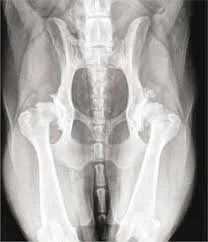
Understanding Arthritis in Older Dogs: Signs and Treatments
Arthritis is one of the most common reasons older dogs slow down. Many senior dogs with arthritis do not cry out or show dramatic lameness at first. Instead, owners may notice stiffness after rest, slower rising, trouble with stairs, limping, or less interest in walks and play. Dr. Roger Hart at Bushnell Animal Clinic explains the signs of arthritis in older dogs, available treatment options, and when a dog should be evaluated.
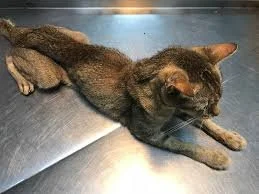
Understanding Why Your Senior Cat Is Not Eating
When a senior cat stops eating or begins eating less, it should never be dismissed as just old age. Older cats may lose appetite because of kidney disease, hyperthyroidism, dental disease, nausea, cancer, digestive disease, pain, or other chronic illness. Dr. Roger Hart at Bushnell Animal Clinic explains the common reasons senior cats stop eating, what signs to watch for, and when veterinary evaluation is important.
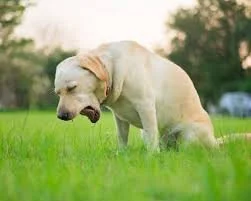
Why Is My Senior Dog Not Eating? When to Worry.
When a senior dog stops eating or begins eating less, it should never be dismissed as just old age. Older dogs may lose appetite because of dental disease, kidney disease, pain, nausea, cancer, digestive disease, medication effects, or other chronic illness. Dr. Roger Hart at Bushnell Animal Clinic explains the common reasons senior dogs stop eating, what signs to watch for, and when veterinary evaluation is important.
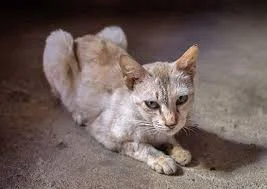
Senior Cat Weight Loss: Common Causes and When to Worry
Weight loss in an older cat should never be ignored. While many owners assume a senior cat is simply getting thinner with age, unplanned weight loss often points to an underlying medical problem such as kidney disease, hyperthyroidism, dental pain, cancer, intestinal disease, or chronic inflammation. Dr. Roger Hart at Bushnell Animal Clinic explains the common causes of weight loss in senior cats and when veterinary evaluation is important.
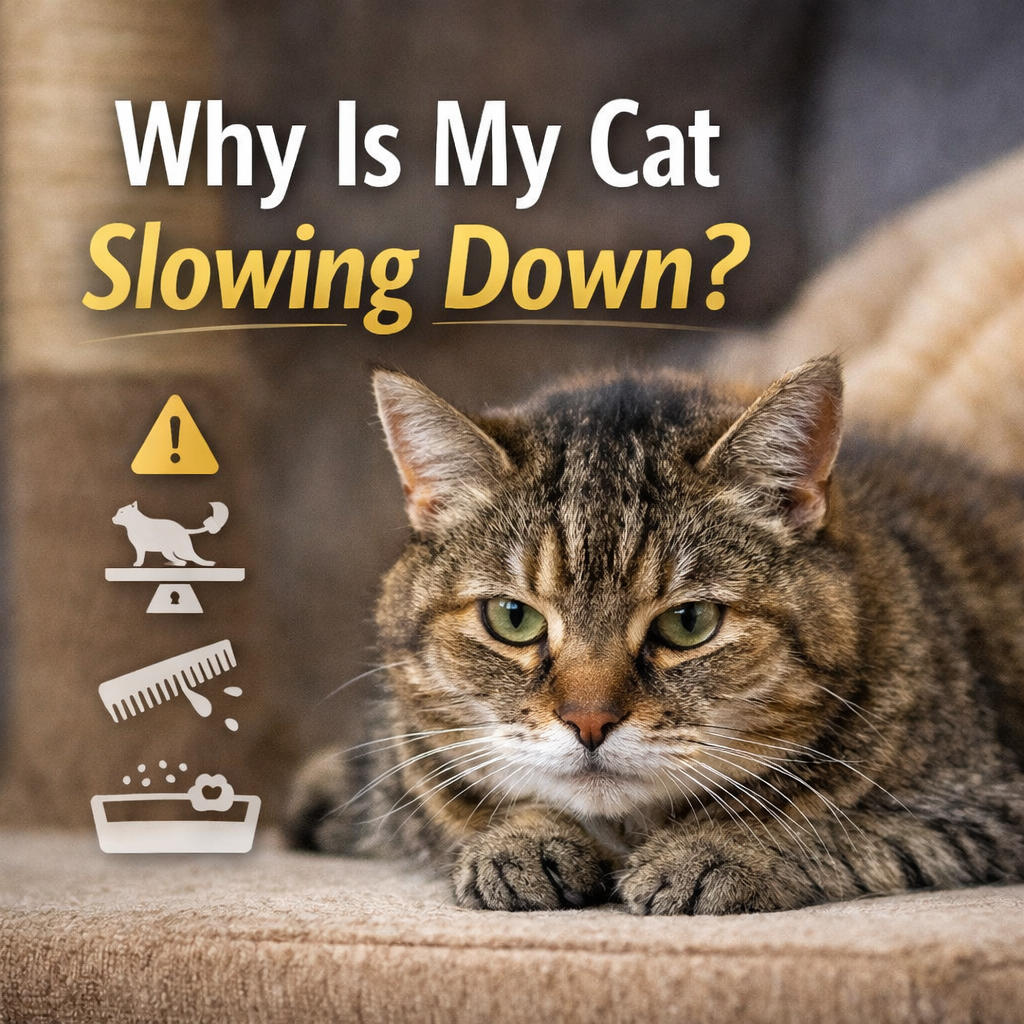
How to Tell if My Cat Is Slowing Down From Age or Illness
As cats get older, many owners notice changes in energy, appetite, grooming, sleep, litter box habits, and social behavior. Some slowing down can be part of normal aging, but other changes may signal pain, kidney disease, hyperthyroidism, arthritis, cognitive decline, or another medical problem. Understanding the difference between normal aging and illness can help cat owners seek veterinary care earlier and support a better quality of life. Dr. Roger Hart at Bushnell Animal Clinic explains what to watch for in senior cats and when slowing down should be taken seriously.

How to Tell if My Dog Is Slowing Down From Age or Illness
As dogs get older, many pet owners begin to notice changes in energy, mobility, appetite, sleep, and behavior. Some slowing down can be a normal part of aging, but other changes may signal pain, arthritis, dental disease, kidney disease, cancer, or another medical problem. Knowing the difference between normal aging and illness can help dog owners seek veterinary care sooner and support a better quality of life. Dr. Roger Hart at Bushnell Animal Clinic explains what to watch for in senior dogs and when slowing down should be taken seriously.
Understanding End-Stage Kidney Failure in Dogs and Cats
End-stage kidney failure is the most advanced stage of chronic kidney disease in dogs and cats. As kidney function declines, pets may develop weight loss, poor appetite, vomiting, dehydration, weakness, and overall decline. Supportive care may help for a time, but quality-of-life assessment becomes increasingly important in advanced cases.
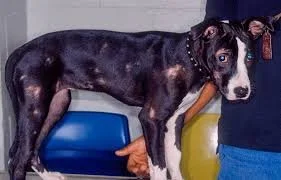
Ringworm in Dogs and Cats: What Pet Owners Should Know
Ringworm is a common fungal skin infection in dogs and cats that can cause patchy hair loss, scaling, crusting, and irritated skin. Despite its name, ringworm is not caused by a worm. It is caused by a fungal organism that affects the hair, skin, and sometimes nails. Because ringworm can spread to other pets and even people, early diagnosis and treatment are important. Dr. Roger Hart at Bushnell Animal Clinic explains what ringworm looks like, how pets get it, and how it is treated.
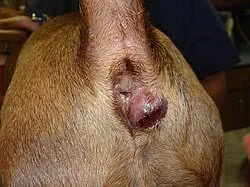
Anal Gland Abscess in Dogs: Signs, Causes, and Treatment
Anal gland abscesses are a painful and common problem in dogs. They usually begin when an anal gland becomes blocked, irritated, and infected. Dogs with an anal gland abscess may scoot, lick under the tail, strain, or suddenly develop swelling and drainage near the anus. Dr. Roger Hart at Bushnell Animal Clinic explains the signs of anal gland abscesses in dogs, what causes them, and how they are treated.
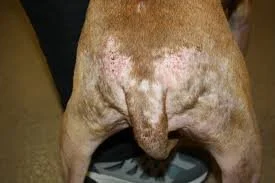
Flea Allergy Dermatitis in Dogs: Signs and Treatment
Flea allergy dermatitis is one of the most common causes of severe itching in dogs. Dogs with this condition are not just bothered by fleas themselves — they are allergic to flea saliva. Even a small number of flea bites can trigger intense scratching, chewing, and skin inflammation. Dr. Roger Hart at Bushnell Animal Clinic explains how flea allergy dermatitis affects dogs, what signs owners should watch for, and how it is treated.
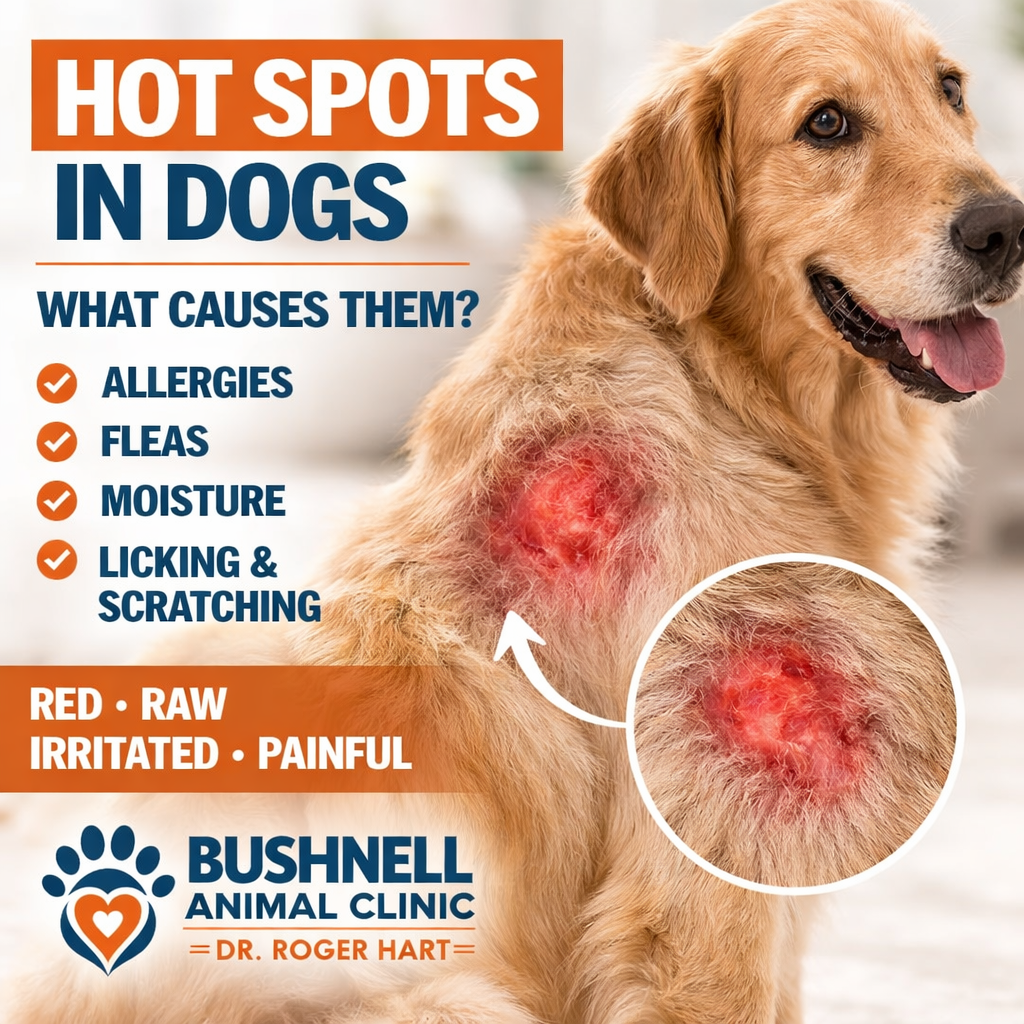
Hot Spots in Dogs: Causes, Treatment, and When to See the Veterinarian
Hot spots are one of the most common skin problems seen in dogs, especially in warm and humid weather. These painful, moist, inflamed skin lesions can appear quickly and become much worse within a day or two. Dogs with hot spots often lick, chew, or scratch the area constantly, making the skin red, raw, and infected. Dr. Roger Hart at Bushnell Animal Clinic explains what hot spots are, what causes them, and when veterinary care is needed.

Dog Ear Infection: Signs, Causes, and Treatment
Dog ear infections are one of the most common reasons dogs shake their heads or scratch at their ears. Early signs may include odor, redness, discharge, pain, and repeated head shaking. Some infections are mild at first, but they can become much more painful if left untreated. Understanding the signs of a dog ear infection can help owners seek veterinary care early and keep their dogs more comfortable.
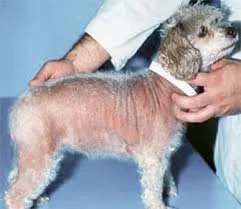
Dog Hair Loss: Common Causes and When to See the Veterinarian
Hair loss in dogs can happen for many reasons. Some dogs lose hair because of allergies, fleas, skin infections, or licking and scratching, while others develop bald areas from parasites, endocrine disease, or chronic skin inflammation. Hair loss may be mild and localized or widespread and persistent. Dr. Roger Hart at Bushnell Animal Clinic explains the common causes of dog hair loss, what signs to watch for, and when veterinary care is needed.
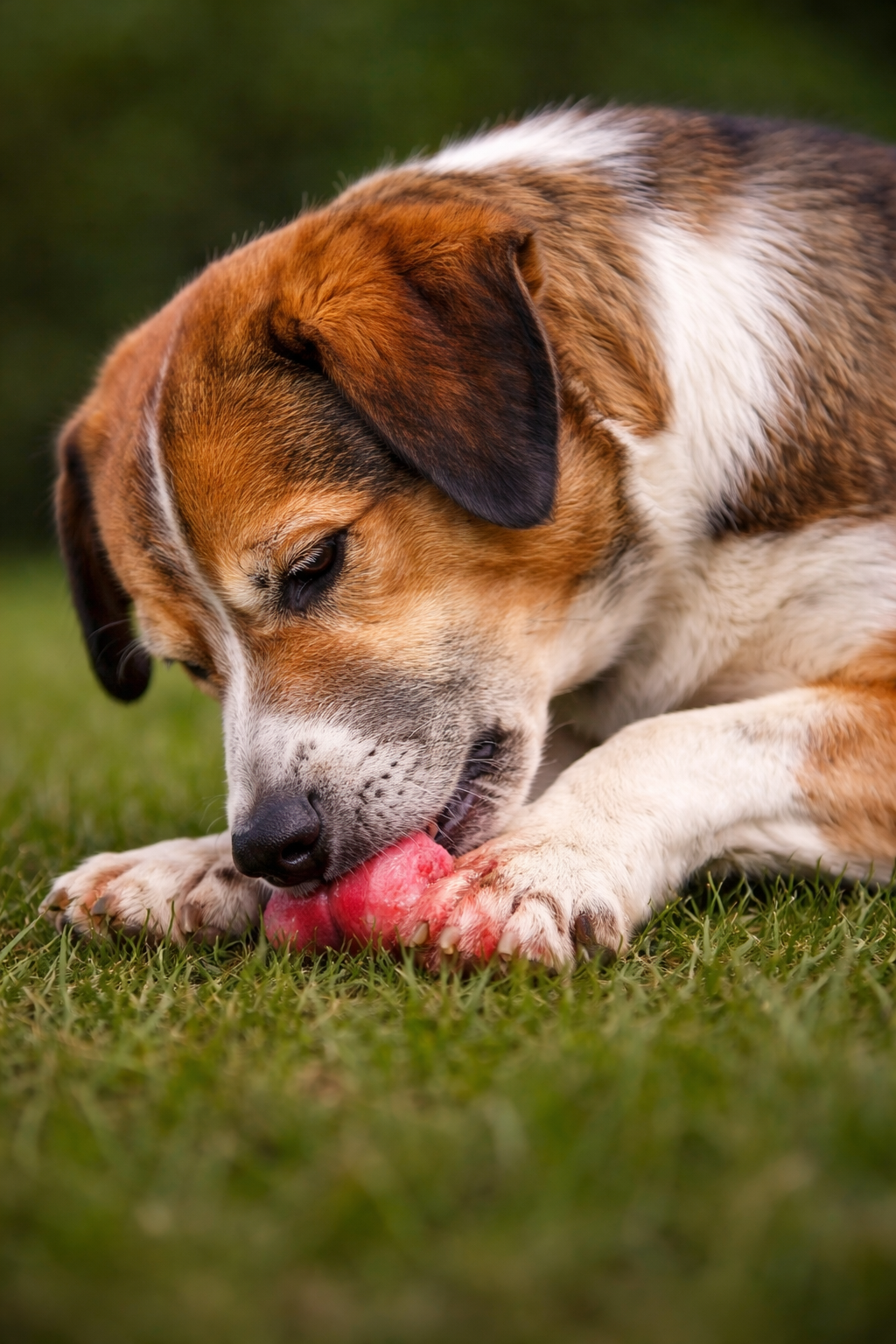
Why Is My Dog Licking Its Paws? When To Call The Vet.
Frequent paw licking in dogs is often a sign that something is bothering the feet. Common causes include allergies, yeast infections, irritation, nail problems, injury, or something stuck between the toes. While occasional licking may be normal grooming, repeated licking can lead to redness, swelling, and skin infection. Understanding why dogs lick their paws can help owners know when veterinary care is needed.