Dental Pain in Dogs and Cats: Signs Pet Owners Often Miss
Dental Pain in Dogs and Cats: Signs Pet Owners Often Miss
Dental pain in dogs and cats is much more common than many pet owners realize. One of the most difficult parts is that pets are often very good at hiding discomfort, especially when the problem develops slowly over time. Because of that, many dogs and cats live with oral pain long before their owners realize something is wrong.
A pet does not have to stop eating completely to have a painful mouth. In fact, many dogs and cats continue eating even when chewing is uncomfortable. Some will adapt by eating more slowly, chewing on one side, avoiding hard food or treats, dropping food, or acting less interested in meals than usual. Others may simply become quieter, less playful, or more sensitive around the face.
Dental pain can affect a pet’s comfort, appetite, behavior, and quality of life. That is why it is so important to recognize the signs early and understand when a veterinary evaluation may be needed. At Bushnell Animal Clinic, Dr. Roger Hart provides thoughtful dental care for dogs and cats, with a focus on early detection, practical guidance, and long-term comfort.
Why dental pain is easy to miss
Dental disease often begins quietly. Plaque and tartar build up over time. The gums become inflamed. Teeth may loosen, crack, or develop infection. A pet may still look fine from the outside, and because many of these changes happen gradually, owners may not notice the warning signs right away.
Pets also do not complain the way people do. They do not tell us when chewing hurts or when their mouth feels sore. Instead, owners may notice small changes such as:
bad breath
chewing more slowly
dropping food
avoiding chew toys
pawing at the mouth
resisting touch around the face
seeming less interactive or less playful
Sometimes the only obvious sign is bad breath. But persistent bad breath is not something pet owners should ignore. It is often one of the first visible signs that oral disease may already be present.
Common causes of dental pain in pets
There are several reasons a dog or cat may have pain in the mouth. The most common cause is periodontal disease, which affects the gums and tissues supporting the teeth. This problem becomes more likely as plaque and tartar accumulate.
Other possible causes include:
broken teeth
infected teeth
tooth root disease
mouth injuries
advanced tartar buildup
retained baby teeth in young pets
painful inflammatory conditions inside the mouth
No matter the cause, dental pain can interfere with normal eating and everyday comfort. The earlier these problems are recognized, the sooner the next steps in care can be discussed.
Signs of dental pain in dogs
Dogs with dental pain may continue acting fairly normal, especially in the early stages. That is one reason oral problems are so often missed.
Signs of dental pain in dogs may include:
red or swollen gums
visible tartar buildup
reluctance to chew hard food or treats
chewing on one side of the mouth
dropping food while eating
drooling more than usual
sensitivity when touched near the mouth
less interest in toys or chewing activities
Some dogs also seem quieter, more irritable, or less enthusiastic about meals. If these signs are present, a dental evaluation may be an important next step.
Signs of dental pain in cats
Cats are especially skilled at hiding pain, which makes dental problems even easier to miss. A cat may still eat, purr, and move around normally while coping with significant oral discomfort.
Signs of dental pain in cats may include:
bad breath
eating less than usual
chewing slowly
dropping food
preferring softer foods
weight loss
drooling
pawing at the mouth
grooming less
acting withdrawn
resisting touch around the face
Cats with oral pain may approach food as if they are hungry, then hesitate once they begin trying to eat. In older cats, this can be mistaken for normal aging. That is why senior pet care is so important when changes in appetite or behavior begin to appear.
Why bad breath should not be ignored
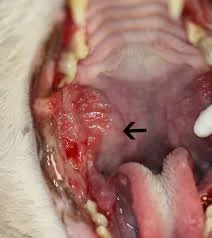
Many people assume bad breath is normal in pets, but persistent foul odor from the mouth often means there is tartar, gum disease, infection, or another oral health problem present.
Bad breath by itself may not tell us exactly what is wrong, but it is often a sign that the mouth deserves closer attention. When it appears along with chewing changes, drooling, visible tartar, or reduced appetite, the need for evaluation becomes even more important.
Good oral health is not just about having cleaner teeth. It is about preventing pain and helping pets stay comfortable in daily life.
How dental pain affects quality of life
Dental pain can affect much more than the mouth. A pet with oral discomfort may:
eat less
avoid certain foods
lose weight
become less playful
sleep more
resist touch around the head
act quieter or less engaged with the family
Because these changes often happen gradually, they are easy to overlook. Owners may think their pet is just getting older, becoming picky, or slowing down. In some cases, however, the mouth may be a major source of discomfort.
Senior pets are especially likely to hide these problems. What appears to be simple aging may partly be oral pain that deserves veterinary attention.
Why dental health matters more in senior pets
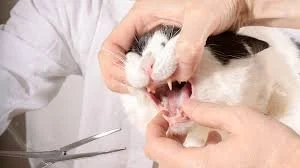
As dogs and cats age, dental disease often becomes more common. Tartar buildup, loose teeth, gum disease, and chronic inflammation can all affect comfort and quality of life.
Regular dental attention in older pets can help:
support easier eating
improve daily comfort
reduce chronic mouth pain
identify more advanced disease earlier
guide treatment decisions before problems worsen
This is also why regular wellness exams remain important as pets get older. They help identify subtle changes before they become more serious and allow oral health to be evaluated as part of the bigger picture.
What happens during a dental evaluation
A dental evaluation gives your veterinarian the chance to look for signs of oral pain, inflammation, broken teeth, gum disease, and other problems that may not be obvious at home. Dr. Hart will also ask about what you have noticed, including bad breath, chewing changes, appetite changes, drooling, or sensitivity around the mouth.
Depending on your pet’s needs, the next step may include:
continued monitoring
recommendations for dental care
discussion of treatment options
comfort support
follow-up care
The goal is not just to examine the teeth. The goal is to understand whether the mouth may be affecting your pet’s comfort, appetite, and overall wellbeing.
When to schedule a dental visit
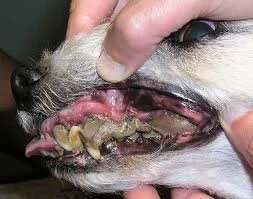
Pet owners should consider scheduling an evaluation if their dog or cat has:
ongoing bad breath
visible tartar
red gums
chewing changes
reduced appetite
mouth sensitivity
drooling
weight loss without a clear reason
signs of oral discomfort
It is also a good idea to discuss oral health during routine wellness exams, even if your pet is not showing dramatic symptoms. Some problems are easiest to address when they are found early.
Preventive dental care matters
One of the best ways to reduce the impact of dental disease is to pay attention to oral health before severe pain develops. Preventive dental care may include regular monitoring, home care guidance, and timely veterinary evaluation when early signs appear.
Dental disease tends to worsen over time if it is ignored. Problems that begin with tartar and mild gum inflammation can become much more painful and serious later on. Acting early can help support both comfort and long-term health.
If your pet already has visible tartar or chronic bad breath, preventive care may need to shift into treatment-focused care. Either way, the key is not to ignore the signs.
Dental pain and appetite changes
One of the most important things pet owners should understand is that oral pain can directly affect appetite. A pet may still want to eat, but chewing may become uncomfortable. This can lead to:
slower eating
reduced enthusiasm for meals
avoiding hard or crunchy food
dropping food
seeming hungry but eating less than expected
This is especially important in cats, where decreased appetite should always be taken seriously. If an older cat is eating less, oral pain is one possible explanation that should not be overlooked. Sometimes what looks like a simple appetite change may actually be a pet trying to avoid chewing because the mouth hurts.
A practical approach to oral discomfort
Pet owners do not need to diagnose dental disease at home. What matters most is recognizing when something may be off and taking the next step when signs of discomfort appear.
You do not have to wait for dramatic swelling or obvious tooth damage. Often the warning signs are more subtle:
bad breath
chewing changes
mouth sensitivity
reduced appetite
visible tartar
quieter behavior
These signs may seem small on their own, but together they can suggest a mouth that needs attention.
If your dog or cat is also showing other medical signs such as lethargy, appetite loss, or behavior changes, a sick pet visit may also be helpful in understanding the bigger picture.
Dental care for pets in Bushnell, FL
At Bushnell Animal Clinic, Dr. Roger Hart provides compassionate veterinary care for dogs and cats in Bushnell, Florida. Dental care is an important part of helping pets stay comfortable, eat well, and maintain a better quality of life.
If your pet has bad breath, visible tartar, chewing changes, drooling, or signs of oral discomfort, a dental evaluation may be the right next step. Oral pain is easy to miss, but that does not make it minor. Recognizing the signs early can help protect your pet’s comfort, appetite, and overall wellbeing.
If you want, I can also turn this into a shorter video-blog version or give you the matching title tag, meta description, excerpt, category, and tags in one clean block.
