Senior Cat Weight Loss: Common Causes and When to Worry
Senior Cat Weight Loss: Common Causes and When to Worry
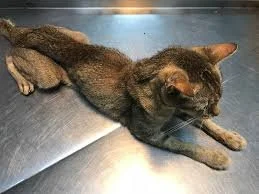
Many cats slow down as they get older, but weight loss is not something to write off as normal aging. An older cat that is getting thinner may be dealing with kidney disease, hyperthyroidism, dental pain, cancer, chronic intestinal disease, arthritis, or another medical problem.
At Bushnell Animal Clinic, one of the most important things to determine in a senior cat is whether the cat is truly just aging or whether weight loss is signaling illness. In many older cats, the answer is not simply “old age.” It is an underlying condition that needs to be identified.
Is Weight Loss Normal in Senior Cats?
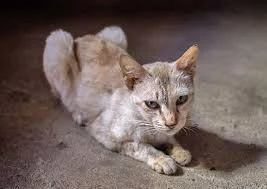
No. Some older cats may lose muscle over time, but noticeable unplanned weight loss is not considered normal.
This is especially important if the cat is also showing any of the following:
poor appetite
vomiting
diarrhea
increased thirst
increased urination
poor grooming
larger litter box clumps
hiding
increased vocalization
weakness
Those added signs make illness much more likely.
Common Causes of Weight Loss in Senior Cats
Senior cat weight loss has many possible causes. The most common categories include:
chronic kidney disease
hyperthyroidism
poor appetite
dental disease
cancer
chronic intestinal disease
diabetes
chronic pain or arthritis
other long-term systemic illness
1. Chronic Kidney Disease
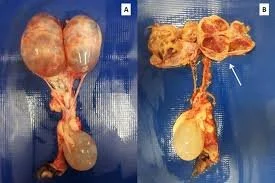
Kidney disease is one of the most common causes of weight loss in older cats.
Owners may also notice:
increased drinking
increased urination
vomiting
poor appetite
lethargy
poor grooming
Because kidney disease is so common in senior cats, any older cat losing weight should be evaluated with this in mind.
End-Stage Kidney Failure in Dogs and Cats
Why You Should Monitor Your Cat’s Drinking and Urination
2. Hyperthyroidism
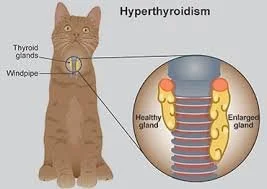
Hyperthyroidism is another major cause of weight loss in older cats.
This condition may cause:
weight loss
poor coat quality
increased thirst
vomiting
diarrhea
more vocal behavior
restlessness in some cats
weight loss even when appetite seems normal or increased
This is one of the most important causes to remember because a cat may lose weight even while still eating fairly well.
3. Poor Appetite
A senior cat who eats less will eventually lose weight. Appetite changes in older cats may be caused by:
kidney disease
nausea
dental disease
cancer
chronic intestinal disease
pain
cognitive decline
Even subtle appetite changes matter. Some cats:
walk away from food
eat smaller meals
prefer softer foods
become picky
eat treats but not full meals
Why Is My Senior Cat Not Eating?
Why Is My Cat Not Eating?
4. Dental Disease and Mouth Pain
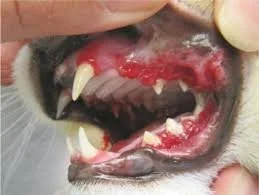
Dental disease is one of the most overlooked reasons senior cats lose weight. A cat may want to eat but have trouble chewing or may avoid food because the mouth hurts.
You may notice:
bad breath
dropping food
chewing less
eating slowly
preferring soft food
pawing at the mouth
reduced grooming
When eating becomes painful, weight loss often follows.
5. Chronic Intestinal Disease and Malabsorption
Some older cats lose weight because they are not digesting or absorbing nutrients normally. Chronic intestinal disease may cause:
vomiting
diarrhea
weight loss
poor appetite
muscle wasting
Digestive disease is especially suspicious when a cat is losing weight and also has ongoing vomiting or stool changes.
6. Cancer
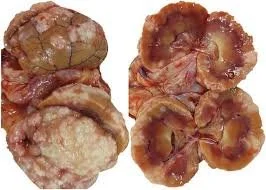
Cancer is an important cause of weight loss in older cats. Sometimes the clues are obvious, but other times the earliest sign is simply that the cat is getting thinner.
Owners may also notice:
reduced appetite
vomiting
diarrhea
weakness
abdominal enlargement
a new lump
less interest in normal activity
Not every senior cat with weight loss has cancer, but it is always on the list of important possibilities.
7. Diabetes and Other Metabolic Disease
Diabetes and other metabolic disorders can also contribute to weight loss in older cats. Cats with diabetes may show:
increased thirst
increased urination
appetite changes
weight loss
Any combination of weight loss and increased drinking should prompt a medical workup.
8. Chronic Pain and Arthritis
Cats with chronic pain do not always look painful. Many become quieter, less active, and less willing to jump.
A painful cat may lose weight because they:
move less
groom less
eat less
interact less
gradually lose muscle mass
What some owners interpret as “slowing down” may actually be pain.
How to Tell if My Cat Is Slowing Down From Age or Illness
9. Poor Grooming and General Decline
Poor grooming itself does not cause weight loss, but it often appears alongside the same diseases that do.
A thinner cat with a rough coat should always be taken seriously.
What to Look For at Home
If your senior cat is losing weight, pay attention to:
how much the cat is eating
water intake
litter box output
vomiting
diarrhea
grooming quality
changes in activity
jumping ability
vocalization changes
body shape over the hips and spine
These details can help determine whether the problem is appetite-related, metabolic, painful, or systemic.
How Dr. Hart Evaluates Weight Loss in a Senior Cat
At Bushnell Animal Clinic, Dr. Roger Hart would look at the full picture rather than assuming aging is the explanation.
Evaluation may include:
physical examination
body weight and body condition assessment
muscle condition evaluation
oral and dental exam
bloodwork
urinalysis
blood pressure measurement
fecal testing when appropriate
imaging or additional diagnostics depending on the case
Regular senior-cat examinations are especially important because older cats often hide illness until it becomes more advanced.
When to Worry
You should be especially concerned if weight loss is paired with:
poor appetite
increased thirst
increased urination
vomiting
diarrhea
poor grooming
weakness
larger litter clumps
hiding
confusion
increased vocalization
These combinations make illness far more likely than simple aging.
Conclusion
A senior cat getting thinner is not something to dismiss as normal old age. Older cats lose weight for many reasons, including chronic kidney disease, hyperthyroidism, dental disease, intestinal disease, cancer, diabetes, and chronic pain. The right answer is not to guess. It is to look for the cause.
At Bushnell Animal Clinic, Dr. Roger Hart helps families identify why an older cat is losing weight and whether the problem is related to appetite, chronic disease, pain, or another underlying condition. Early evaluation can make a major difference in comfort, treatment options, and quality of life.
FAQs
Is weight loss normal in older cats?
No. Unplanned weight loss in a senior cat should be investigated because it often points to an underlying medical problem.
What causes senior cats to lose weight?
Common causes include chronic kidney disease, hyperthyroidism, poor appetite, dental disease, cancer, chronic intestinal disease, diabetes, and chronic pain.
Can kidney disease cause weight loss in older cats?
Yes. Chronic kidney disease is very common in older cats and frequently causes weight loss.
Can hyperthyroidism cause weight loss in cats?
Yes. Hyperthyroidism commonly causes weight loss in mature and senior cats and may occur even when appetite is normal or increased.
Can poor grooming be related to weight loss?
Yes. Poor grooming often appears alongside illness, pain, or weakness in older cats and can be an important clue that something is wrong.
Should I worry if my cat is eating but still losing weight?
Yes. Weight loss despite eating can occur with conditions such as hyperthyroidism, chronic disease, and poor nutrient absorption.
When should I take my older cat to the vet for weight loss?
You should schedule an exam if your cat is losing weight, especially if there is also poor appetite, vomiting, increased drinking, poor grooming, litter box changes, or behavior change.
Are regular senior-cat checkups important?
Yes. Regular examinations are one of the best ways to detect illness earlier in older cats.
