How to Tell if My Cat Is Slowing Down From Age or Illness
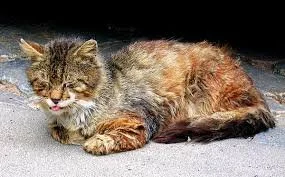
How to Tell if My Cat Is Slowing Down From Age or Illness
Cats age differently than dogs, and they are often much better at hiding discomfort. That is one of the reasons senior cat illness is so easy to miss. An older cat may still eat, still use the litter box, and still spend time in the same rooms as the family, yet quietly be dealing with pain, kidney disease, thyroid disease, arthritis, or cognitive decline.
Many owners describe it this way:
“My cat is just slowing down.”
Sometimes that is partly true. Aging does bring change. But many important medical problems in older cats begin with the same subtle shifts owners often blame on age alone.
At Bushnell Animal Clinic, Dr. Roger Hart helps families sort out a very important question:
Is my cat just getting older, or is my cat sick?
That question matters because senior cats often do not cry, limp dramatically, or act obviously ill. Instead, they may:
sleep more
hide more
groom less
jump less
lose weight
eat differently
use the litter box differently
become quieter or, sometimes, more vocal
Cornell’s feline senior-care materials note that older cats may groom themselves less effectively, may become disoriented, vocalize more, and avoid social interaction, while other Cornell guidance stresses that any change in behavior or health in an older cat deserves veterinary attention. (Cornell Vet School)
The challenge is knowing which changes are expected with age and which ones suggest pain or disease.
What Is Normal Aging in Cats?
Some change is expected in older cats. Senior cats may:
sleep more during the day
move more slowly
spend less time climbing or playing
become less tolerant of change
need easier access to favorite resting spots
develop mild hearing or vision decline
The American Association of Feline Practitioners classifies older cats broadly as mature or middle-aged from 7–10 years, senior from 11–14 years, and geriatric at 15+ years, reflecting the fact that cats’ needs change significantly with age.
Aging itself, however, should not cause major suffering. A healthy senior cat may be slower, but that cat should still generally be able to:
eat with interest
rest comfortably
move around the home
interact with family
maintain body weight reasonably well
groom enough to stay fairly clean
When those things begin to decline, illness becomes much more likely.
When Slowing Down Is More Than Age
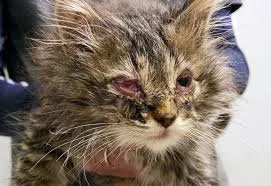
If your older cat is not just quieter, but also thinner, weaker, less engaged, less groomed, or less comfortable, illness should be considered.
Senior cats commonly slow down because of problems such as:
chronic kidney disease
hyperthyroidism
arthritis or chronic pain
dental disease
diabetes
cancer
cognitive dysfunction
chronic gastrointestinal disease
Cornell identifies chronic kidney disease as one of the most prevalent diseases in older cats, especially over age 10, and Merck notes that hyperthyroidism commonly causes weight loss and can also cause tachycardia or tachypnea.
So if your cat seems “old all of a sudden,” that may not be age alone.
Common Signs That Illness May Be Involved
These changes are especially important in senior cats:
weight loss
poor appetite
vomiting
increased thirst
increased urination
poor grooming
matted coat
hiding
litter box changes
difficulty jumping
stiffness
breathing faster
increased vocalization
disorientation
sleep-wake changes
less interest in family interaction
Cornell specifically notes that older cats may show poor grooming, disorientation, excessive meowing, and avoidance of social interaction, and Cornell’s “Your Cat Slowing Down?” article says slowed, reclusive behavior may indicate joint problems.
Those are not changes to simply brush aside.
Weight Loss in Senior Cats Is a Big Warning Sign
Weight loss is one of the most important clues that a cat may be ill.
Older cats lose weight for many reasons, including:
chronic kidney disease
hyperthyroidism
cancer
dental pain
chronic nausea
malabsorption or intestinal disease
diabetes
muscle loss from chronic illness
Cornell states that chronic kidney disease is highly prevalent in older cats and that affected cats often show weight loss. Merck notes that hyperthyroid cats commonly lose weight as well.
Weight loss should never be dismissed as “just old age.”
Senior Cat Weight Loss: Common Causes
Appetite Changes Matter
Cats are especially vulnerable when they stop eating well. A senior cat that becomes picky, eats less, or walks away from food may be dealing with:
dental disease
nausea
kidney disease
thyroid disease
gastrointestinal disease
pain
cognitive decline
Cornell’s older-cat materials and Merck’s cat-owner disease guides both support the importance of poor appetite and weight loss as signs of medical disease in older cats.
This is one reason older cats should be assessed promptly when food intake changes. Appetite loss is not a normal harmless part of aging.
Why Is My Senior Cat Not Eating?
Why Is My Cat Not Eating?
Increased Drinking and Urination
A senior cat drinking more water or producing larger litter clumps may be showing one of the earliest signs of disease.
Common causes include:
chronic kidney disease
diabetes
hyperthyroidism
Cornell identifies increased thirst and urination as classic signs of feline chronic kidney disease, which is common in older cats.
If your older cat suddenly empties the water bowl faster or the litter box seems wetter than usual, that should not be ignored.
Why You Should Monitor Your Cat’s Drinking and Urination
End-Stage Kidney Failure in Dogs and Cats
Grooming Changes Are Easy to Miss
One of the classic signs of a sick or painful older cat is less grooming.
Cornell’s senior-cat guidance says older cats often groom themselves less effectively, which can lead to matting, skin odor, and inflammation.
A cat that looks less polished, more unkempt, or has small mats over the back and hips may not just be aging. That cat may be:
arthritic and unable to bend comfortably
nauseated
weak
losing energy
cognitively declining
Owners often notice the coat before they realize how much else has changed.
Arthritis and Chronic Pain in Cats
Cats with arthritis do not always limp the way dogs do. Pain in cats is often subtle.
Signs may include:
jumping up less often
hesitating before jumping
avoiding stairs
moving more stiffly
hiding more
sleeping more
interacting less
becoming irritable when touched
Cornell’s “Your Cat Slowing Down?” article specifically points out that slowed and reclusive behavior may indicate joint problems in cats, and AAFP pain materials note that chronic pain and degenerative joint disease are common in aging cats.
Many cats that owners think are “just old” are actually living with chronic pain.
Litter Box Changes Are Important
Senior cats with illness may:
urinate more often
strain in the litter box
have larger urine clumps
have accidents outside the box
avoid the box if getting in and out is painful
seem restless around litter habits
Cornell’s older-cat guidance notes that older cats may miss or not use the litter box and that any change in behavior or health warrants prompt veterinary attention. (Cornell Vet School)
Litter box changes can reflect urinary disease, arthritis, cognitive dysfunction, or general decline.
Why Is My Cat Straining in the Litter Box?
Cognitive Changes in Senior Cats
Aging cats can also develop cognitive dysfunction.
Cornell describes feline cognitive dysfunction as a progressively debilitating age-related disorder with signs resembling dementia-like changes in people. Common signs in older cats can include:
wandering
excessive meowing
apparent disorientation
altered sleep patterns
reduced social interaction.
This is one of the clearest examples of where “slowing down” may not be simple aging. Cognitive decline can deeply affect both the cat and the household.
Hyperthyroidism in Older Cats
Hyperthyroidism is a common disease in older cats and can be easy to miss at first.
Merck notes that affected cats often show weight loss, and some may also show lethargy, listlessness, faster heart rate, faster breathing, or coat changes. (Merck Veterinary Manual)
Owners often expect sick older cats to eat less, but a hyperthyroid cat may lose weight despite eating normally or even more than usual. That mismatch is one reason routine senior screening matters.
Healthy Aging Still Looks Like Enjoying Life
A healthy senior cat may be slower, but should still generally be able to enjoy daily life.
That means:
eating reliably
resting comfortably
moving around the home
interacting in familiar ways
grooming reasonably well
maintaining a stable routine
A cat that is withdrawing, losing weight, grooming poorly, struggling in the litter box, or becoming disoriented needs a closer look.
How Dr. Hart Evaluates a Senior Cat That Is Slowing Down
At Bushnell Animal Clinic, Dr. Roger Hart would look at the whole picture, not just age.
Evaluation may include:
physical examination
body weight and body condition assessment
dental evaluation
orthopedic assessment
bloodwork
urinalysis
blood pressure measurement
discussion of appetite, grooming, litter box habits, sleep, and behavior
That matters because older cats often have more than one issue at the same time. For example, a cat may have:
kidney disease
arthritis
weight loss
poor grooming
all at once.
Why Early Evaluation Matters
Catching disease earlier can significantly improve comfort and management.
For example:
kidney disease may be managed earlier
hyperthyroidism may be identified and treated
arthritis pain may be reduced
dental disease may be addressed
nausea may be controlled
litter box difficulties may improve with treatment or environmental changes
The earlier a cause is recognized, the better chance you have to support quality of life.
Questions to Ask Yourself at Home
If your cat is slowing down, ask:
Has my cat lost weight?
Is my cat eating as well as before?
Is my cat drinking more?
Is my cat grooming less?
Is my cat using the litter box normally?
Is my cat jumping less?
Has my cat become more withdrawn?
Is my cat vocalizing more at night?
Does my cat still seem comfortable?
These questions help separate normal aging from signs that your cat may be ill.
When to See the Veterinarian
You should schedule an exam if your older cat has:
weight loss
reduced appetite
vomiting
increased thirst
increased urination
poor grooming
litter box changes
difficulty jumping
hiding
increased vocalization
confusion
less engagement with daily life
Dr. Roger Hart and the team at Bushnell Animal Clinic help senior cats with chronic disease, mobility problems, weight loss, appetite changes, behavior changes, and quality-of-life concerns receive thoughtful, compassionate care.
Conclusion
Some slowing down is a normal part of aging in cats, but many important medical problems first appear as subtle changes in activity, grooming, appetite, litter box habits, and behavior.
If your cat seems quieter, thinner, less groomed, more withdrawn, or less comfortable, it is worth asking whether the change is really just age. In many senior cats, slowing down is not simply old age — it is a sign that something hurts or something is wrong.
At Bushnell Animal Clinic, Dr. Roger Hart helps families understand the difference between normal senior changes and illness so older cats can receive the care, comfort, and quality of life they deserve.
FAQs
Is it normal for an old cat to slow down?
Some slowing down is normal with age, but major changes in appetite, weight, grooming, litter box habits, or behavior often suggest illness.
Why is my senior cat losing weight?
Common causes include chronic kidney disease, hyperthyroidism, cancer, chronic intestinal disease, and poor appetite.
Why is my older cat grooming less?
Poor grooming in senior cats may be related to arthritis, weakness, chronic illness, or cognitive decline.
Do older cats get arthritis?
Yes. Chronic pain and degenerative joint disease are common in aging cats, but the signs are often subtle.
Is increased meowing in older cats normal?
It can occur with cognitive dysfunction, disorientation, or other medical problems and should be discussed with a veterinarian.
Why is my old cat drinking more water?
Increased drinking in senior cats is commonly associated with chronic kidney disease, hyperthyroidism, or diabetes.
How do I know if my cat is sick or just old?
If the slowing down is paired with weight loss, poor appetite, litter box changes, poor grooming, hiding, or behavior changes, illness becomes much more likely.
Should I take my older cat to the vet for slowing down?
Yes. Senior cats often hide pain and disease, so a veterinary exam is important when changes develop.
I
