How to Tell if My Dog Is Slowing Down From Age or Illness
How to Tell if My Dog Is Slowing Down From Age or Illness
As dogs grow older, most pet owners expect at least some change in energy and activity. A senior dog may not race through the yard the way they once did. Walks may become slower. Long naps may become more common. These changes can be part of normal aging, but not every change should be dismissed as “just getting old.”
That is one of the biggest mistakes dog owners make with senior pets. When older dogs start slowing down, families often assume it is simply age. In some cases, that is partly true. But in many others, slowing down is really a sign of pain, disease, weakness, discomfort, or declining quality of life.
At Bushnell Animal Clinic, Dr. Roger Hart often helps families sort out this exact question:
Is my dog just aging, or is something medically wrong?
That question matters because many serious conditions in older dogs begin with subtle changes. What looks like normal aging may actually be:
arthritis
dental pain
kidney disease
heart disease
cancer
cognitive decline
chronic pain
appetite loss
muscle loss
weakness
The sooner these changes are recognized, the more likely it is that treatment or support can improve comfort and quality of life.
What Is Normal Aging in Dogs?
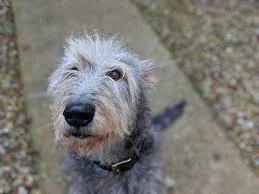
Aging in dogs is real, and some degree of slowing down is expected. Just like people, senior dogs often change physically and behaviorally over time.
Normal aging may include:
sleeping more
moving a little more slowly
reduced stamina on walks
mild hearing loss
mild vision changes
less interest in intense play
needing more time to recover after activity
These changes are often gradual and relatively mild at first. A dog may still enjoy family interaction, meals, going outside, and daily routines, even if they are no longer as energetic as before.
Healthy aging usually means the dog is still engaged with life, even if the pace has changed.
When Slowing Down Is Not Just Age
The concern begins when slowing down is more than a simple reduction in energy.
A dog may not just be “older.” They may be:
hurting
nauseated
weak
losing muscle
having trouble breathing
struggling to eat
becoming dehydrated
developing neurologic changes
experiencing chronic disease
Older dogs often hide illness better than owners expect. Instead of crying or showing obvious distress, many senior dogs simply become quieter and less active.
That is why a slower pace should always be looked at in context.
Common Signs That Illness May Be Involved
If your older dog is slowing down, these signs suggest there may be more than aging alone:
weight loss
poor appetite
vomiting
limping
stiffness
difficulty standing up
difficulty climbing stairs
heavy panting at rest
coughing
increased thirst
increased urination
accidents in the house
bad breath
confusion
restlessness at night
reluctance to jump or go on walks
reduced interest in family interaction
These changes often point toward a medical issue rather than simple old age.
Arthritis and Pain in Older Dogs
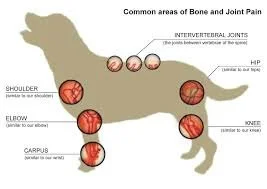
One of the most common reasons senior dogs slow down is arthritis.
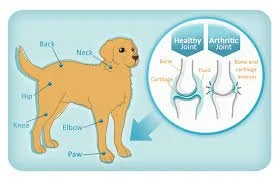
Dogs with arthritis may not always limp dramatically. Instead, owners may notice:
slower rising
stiffness after rest
reluctance to jump into the car
hesitation with stairs
less interest in walking
slipping on floors
irritability when touched
Because this progression is often gradual, owners may not realize how uncomfortable the dog has become.
What looks like “just getting old” is often chronic orthopedic pain.
Arthritis in Older Dogs
Why Is My Dog Limping?
Weight Loss Should Never Be Ignored
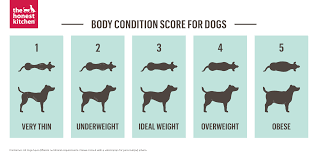
Weight loss in a senior dog is always important.
Many owners notice an older dog “looking thinner” and assume it is just part of aging. It is not something to ignore.
Senior dog weight loss may be caused by:
kidney disease
cancer
chronic dental pain
gastrointestinal disease
poor appetite
muscle wasting
heart disease
Even when an older dog is still eating, muscle loss may occur if there is chronic illness, pain, or decreased mobility.
Senior Dog Weight Loss: Common Causes
Appetite Changes in Older Dogs
Aging alone does not fully explain a dog that stops eating well.
A senior dog may eat less because of:
dental disease
nausea
kidney disease
cancer
pain
cognitive decline
medication effects
Some dogs sniff food and walk away. Others eat only treats or soft food. Some become pickier because chewing is painful.
Any noticeable drop in appetite in a senior dog deserves attention.
Why Is My Senior Dog Not Eating?
Why Is My Dog Not Eating?
Increased Drinking and Urination
If an older dog is drinking much more water or urinating more than usual, illness should be considered.
Common causes include:
kidney disease
diabetes
Cushing’s disease
urinary tract problems
endocrine disease
This is one of the classic examples of a change people may blame on aging when it is actually medical.
Why Is My Dog Drinking So Much Water?
End-Stage Kidney Failure in Dogs and Cats
Dental Disease in Senior Dogs
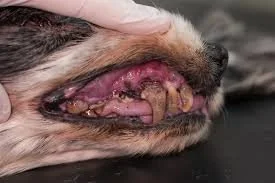
Dental disease is one of the most overlooked causes of slowing down in older dogs.
Dogs with significant dental disease may show:
bad breath
dropping food
chewing on one side
less interest in dry food
pawing at the mouth
quieter behavior due to chronic pain
A dog with dental pain may not seem dramatic. They may simply become less enthusiastic, eat less, and sleep more.
That is not “just age.” That is discomfort.
Why Does My Dog Have Bad Breath?
How to Brush Your Dog’s Teeth
Heart Disease and Breathing Changes
Some older dogs slow down because they cannot physically tolerate the same activity anymore due to heart or breathing problems.
Watch for:
coughing
breathing faster at rest
tiring easily on walks
panting more than expected
reluctance to exercise
weakness or collapse
These changes are important because they may suggest heart disease or respiratory disease, not simple aging.
Why Is My Dog Panting So Much?
Cancer in Older Dogs
Cancer is unfortunately common in senior dogs, and its first signs are often subtle.
Owners may notice:
weight loss
new lumps
lower energy
appetite decline
weakness
vomiting
discomfort
changes in bathroom habits
Sometimes the only early sign is that the dog “just seems older all of a sudden.”
If a dog is slowing down and there is also weight loss, a new mass, or appetite change, illness should be strongly considered.
Lumps in Older Dogs: When to Worry
Mast Cell Tumors in Dogs
Mammary Tumors in Dogs
Cognitive Changes in Senior Dogs
Senior dogs can also develop cognitive dysfunction, sometimes compared to dementia in people.
Signs may include:
confusion
staring into space
pacing
restlessness at night
getting stuck in corners
forgetting routines
less interaction with family
changes in sleep-wake patterns
These changes are not normal in the sense of being harmless. They may occur in older dogs, but they still deserve evaluation and discussion.
Cognitive changes can affect quality of life just as much as physical disease.
Weakness vs. Slower Movement
A dog moving slowly is not always the same as a dog being weak.
Weakness may look like:
trembling
wobbliness
collapsing
difficulty standing
sliding legs
reluctance to walk far
sudden fatigue
Weakness can be caused by:
anemia
neurologic disease
advanced kidney disease
severe heart disease
cancer
metabolic disease
If a senior dog seems weak rather than just less energetic, that is much more concerning.
What Healthy Senior Aging Still Looks Like
Even in older age, a healthy senior dog usually still has:
interest in meals
interest in family
the ability to walk comfortably
normal breathing at rest
a stable body weight
engagement with daily routines
reasonable comfort
The dog may move slower than before, but they still appear to enjoy life.
That is different from a dog who is withdrawing, losing weight, sleeping excessively because of illness, or struggling physically every day.
How Dr. Hart Evaluates a Senior Dog That Is Slowing Down
At Bushnell Animal Clinic, Dr. Roger Hart would look at the full picture rather than assuming the change is only age-related.
Evaluation may include:
physical examination
body weight and body condition assessment
orthopedic evaluation
dental examination
bloodwork
urinalysis
x-rays or additional testing when needed
discussion of appetite, sleep, mobility, and behavior
The goal is to identify whether the dog is aging normally, dealing with pain, or developing a treatable disease.
Many senior dogs benefit greatly once the real cause is found.
Why Early Evaluation Matters
The earlier illness is recognized, the more options there often are.
For example:
arthritis may respond to pain management and lifestyle support
dental disease may improve with treatment
kidney disease may benefit from earlier management
endocrine disease may be treatable
heart disease may be caught before severe decline
cancer may be identified earlier
Waiting too long often means the dog becomes much more uncomfortable before help is sought.
Questions to Ask Yourself at Home
If your dog is slowing down, ask:
Is my dog still excited about meals?
Is my dog comfortable getting up and down?
Has my dog lost weight?
Is my dog breathing normally at rest?
Is my dog still engaged with family life?
Has my dog’s drinking or urination changed?
Has my dog become restless at night?
Does my dog seem painful or stiff?
These questions help separate healthy aging from a more concerning decline.
When to See the Veterinarian
You should schedule an exam if your older dog has:
noticeable slowing down
stiffness or limping
weight loss
appetite decline
vomiting
coughing
increased thirst
increased urination
weakness
confusion
lower quality of life
Dr. Roger Hart and the team at Bushnell Animal Clinic help senior dogs with mobility problems, chronic illness, appetite changes, pain, and quality-of-life concerns receive thoughtful evaluation and compassionate care.
Conclusion
Some slowing down is a normal part of aging in dogs, but many important medical problems first appear as subtle changes in energy, mobility, appetite, and behavior.
If your dog seems quieter, weaker, thinner, stiffer, or less engaged, it is worth asking whether the change is really just age. In many senior dogs, slowing down is not simply old age — it is a sign that something hurts or something is wrong.
At Bushnell Animal Clinic, Dr. Roger Hart helps families understand the difference between normal senior changes and illness so older dogs can receive the care, comfort, and quality of life they deserve.
FAQs
Is it normal for an old dog to slow down?
Some slowing down is normal with age, but significant changes in energy, mobility, appetite, or weight may suggest illness or pain.
How do I know if my senior dog is in pain?
Signs may include stiffness, slower rising, reluctance to jump, limping, irritability, panting, or less interest in activity.
Why is my older dog sleeping so much?
Older dogs do sleep more, but excessive sleep can also be linked to pain, weakness, chronic disease, or declining quality of life.
Is weight loss normal in old dogs?
No. Weight loss in older dogs should always be taken seriously and may suggest kidney disease, cancer, dental disease, or another medical problem.
What diseases make senior dogs slow down?
Common causes include arthritis, dental disease, kidney disease, heart disease, cancer, endocrine disease, and cognitive dysfunction.
When should I worry about my senior dog slowing down?
You should be concerned when slowing down is paired with weight loss, poor appetite, vomiting, stiffness, weakness, confusion, or behavior change.
Can arthritis make my dog seem old?
Yes. Many dogs thought to be “just old” are actually living with chronic arthritis pain.
Should I take my older dog to the vet for slowing down?
Yes. A veterinary exam can help determine whether the changes are normal aging, pain, or underlying disease.
.
