Understanding End-Stage Kidney Failure in Dogs and Cats
End-Stage Kidney Failure in Dogs and Cats: Signs, Prognosis, and Quality of Life
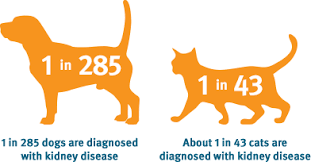
Kidney disease is one of the most common long-term medical conditions seen in older dogs and cats. In many pets, the disease progresses gradually over time. Early changes may be subtle, but later stages often become much more serious. The most advanced form is commonly described as end-stage kidney failure, which generally corresponds to the most severe stage of chronic kidney disease under the IRIS staging system.
The kidneys play several critical roles in the body. They help filter waste products from the bloodstream, regulate hydration, maintain electrolyte balance, support blood pressure regulation, and contribute to red blood cell production. When kidney function becomes severely impaired, toxins and waste products accumulate, hydration becomes difficult to maintain, and pets may begin to feel persistently unwell.
At Bushnell Animal Clinic, advanced kidney disease is an important topic because it affects not only medical treatment decisions, but also appetite, comfort, hydration, strength, and quality of life. For many families, this stage of disease brings some of the most difficult and emotional conversations in veterinary medicine.
What Is End-Stage Kidney Failure?
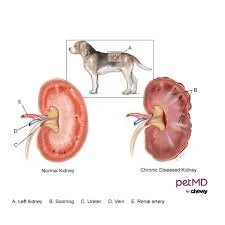
Chronic kidney disease in dogs and cats is commonly staged using the IRIS system. Stage 4 is the most advanced stage and represents severe loss of kidney function. In practical terms, this is what many pet owners mean when they say end-stage kidney failure.
By this stage, the kidneys can no longer perform enough of their normal work to keep the body balanced without significant support. Waste products build up, the body struggles to stay hydrated, and complications such as nausea, weight loss, hypertension, and anemia become more likely. What Causes End-Stage Kidney Failure?
End-stage kidney failure is usually the result of progressive chronic kidney disease rather than a separate disease by itself. Chronic kidney disease may develop from long-term inflammatory damage, inherited or congenital conditions, glomerular disease, prior kidney injury, or other chronic problems that gradually scar and damage the kidneys. In many pets, the original cause is never fully identified.
What matters most in advanced cases is that the remaining kidney function is no longer enough to support normal health.
Signs of End-Stage Kidney Failure
Dogs and cats with advanced kidney disease often develop a recognizable pattern of decline. Common signs include:
weight loss
poor appetite
vomiting
nausea
dehydration
weakness
lethargy
muscle loss
increased thirst
increased urination
poor haircoat or unkempt appearance
Merck notes that in later stages of chronic kidney disease, dogs and cats are particularly vulnerable to poor appetite, weight loss, and cachexia, while uremia commonly causes nausea and vomiting. Cornell’s feline kidney disease guidance similarly notes lethargy, poor grooming, and weight loss as common findings in cats with advanced disease.
Owners often first notice that their pet is drinking and urinating more than usual. Later, appetite tends to decline, and the pet may become weaker, thinner, and less interested in normal daily life.
Why Vomiting and Nausea Happen
One of the most distressing parts of advanced kidney failure is the nausea that often develops as waste products accumulate in the bloodstream. Merck notes that uremia in later-stage chronic kidney disease causes nausea and vomiting, which in turn promote dehydration and further weight loss.
This creates a difficult cycle:
kidney function declines
toxins build up
nausea increases
appetite falls
vomiting worsens dehydration and weakness
Controlling nausea can sometimes make a major difference in comfort, even when the kidney disease itself cannot be reversed.
Weight Loss and Muscle Loss
Weight loss is one of the most common signs of end-stage kidney failure. This happens for several reasons at once:
the pet eats less
nausea reduces calorie intake
vomiting contributes to weakness
dehydration worsens overall condition
muscle mass declines over time
Merck specifically highlights weight loss and cachexia in later-stage chronic kidney disease, and Cornell notes that many affected cats appear thin, lethargic, and unkempt.
Hypertension and Anemia
Advanced kidney disease often affects more than just appetite and hydration. It can also lead to high blood pressure and anemia.
IRIS notes that hypertension is common in dogs and cats with chronic kidney disease, and Cornell explains that the kidneys are important in both blood pressure regulation and erythropoietin production, which supports red blood cell formation. As a result, pets with kidney disease are at risk for both hypertension and anemia.
These complications matter because they can worsen weakness, affect vision, and further reduce quality of life.
How End-Stage Kidney Failure Is Diagnosed
Diagnosis is based on a combination of:
history
physical examination
bloodwork
urinalysis
blood pressure measurement
sometimes imaging
IRIS describes chronic kidney disease staging as a structured way to assess severity and guide management, while Merck outlines the later-stage clinical signs and complications that help veterinarians recognize advanced disease.
In most cases, diagnosis is not based on one symptom alone. Instead, veterinarians look at the whole picture: blood values, urine concentration, hydration, appetite, body weight, and clinical decline.
Treatment Goals
At the end stage, treatment is usually focused on supportive care, not cure.
Supportive goals may include:
improving hydration
reducing nausea and vomiting
supporting appetite
monitoring blood pressure
watching for anemia
maintaining comfort
preserving quality of life as long as possible
Merck notes that later-stage treatment often includes anti-nausea medications such as maropitant or ondansetron, monitoring body weight and condition, and considering appetite support.
Different pets respond differently. Some may stabilize briefly with supportive care. Others may continue to decline despite treatment.
Prognosis
The prognosis for end-stage kidney failure is generally poor.
That does not mean every pet declines immediately. Some dogs and cats can have a period of relative stability with supportive care, hydration support, nausea control, and close monitoring. However, Stage 4 kidney disease represents severe loss of kidney function, and the disease is usually progressive and irreversible. IRIS identifies Stage 4 as the most advanced stage, and Merck describes later-stage disease as one associated with major quality-of-life concerns such as inappetence, weight loss, vomiting, and dehydration.
In practical terms:
some pets may have a short period of improved comfort with treatment
some decline steadily despite support
some may have good days and bad days for a while before quality of life worsens
Because every case is different, prognosis is best discussed individually with the veterinarian caring for the pet.
Quality of Life
Quality of life becomes one of the most important parts of decision-making in advanced kidney failure.
Questions that often matter include:
Is the pet still eating enough to stay comfortable?
Is nausea controlled?
Is hydration being maintained?
Is the pet still interacting with family?
Are there more good days than bad days?
Is the pet still comfortable at home?
Merck highlights quality-of-life concerns directly in later-stage chronic kidney disease, and the complications described by Cornell and IRIS help explain why these conversations become so important.
For many families, the focus eventually shifts from treating the disease itself to protecting comfort, dignity, and peace.
What Owners Should Watch For
If a dog or cat has known kidney disease, worsening signs should be taken seriously. Owners should contact their veterinarian promptly if they notice:
eating much less
repeated vomiting
obvious weight loss
profound weakness
severe dehydration
little interest in normal activity
confusion or disorientation
collapse
very poor quality of life
These changes may mean the disease is progressing beyond what supportive care can comfortably manage.
End-Stage Kidney Failure in Cats
Chronic kidney disease is especially common in older cats. Cornell’s feline kidney disease resources note that older cats may develop increased thirst, increased urination, weight loss, lethargy, poor grooming, and later complications such as hypertension and anemia.
Cats also tend to hide illness well, which means disease may be advanced before owners realize how serious it has become.
End-Stage Kidney Failure in Dogs
Dogs can also develop advanced chronic kidney disease, with similar signs including weight loss, poor appetite, vomiting, weakness, dehydration, and increased thirst and urination. Merck’s dog-owner guidance similarly notes that later-stage kidney disease is associated with serious decline and can present with loss of appetite, depression, dehydration, and vomiting.
Conclusion
End-stage kidney failure is the most advanced stage of chronic kidney disease in dogs and cats. At this stage, the kidneys can no longer do enough of their normal work to keep the body stable without significant support. Affected pets may develop weight loss, poor appetite, vomiting, dehydration, weakness, hypertension, anemia, and declining quality of life.
Even though advanced kidney failure cannot usually be cured, supportive care can still make a real difference in comfort for a time. Thoughtful monitoring, anti-nausea treatment, hydration support, and honest quality-of-life discussions all matter. At Bushnell Animal Clinic, Dr. Roger Hart can help families understand what to expect and make compassionate decisions as the disease progresses.
FAQs
What is end-stage kidney failure in dogs and cats?
It is the most advanced stage of chronic kidney disease, generally corresponding to IRIS Stage 4.
What are the signs of end-stage kidney failure?
Common signs include weight loss, poor appetite, vomiting, dehydration, weakness, increased thirst, and increased urination.
Why do pets with kidney failure vomit?
Later-stage chronic kidney disease can cause uremia, which leads to nausea and vomiting.
Is the prognosis poor?
Yes. End-stage kidney failure generally carries a poor prognosis because kidney damage is usually severe and irreversible.
Can supportive care help?
Yes. Supportive care may improve hydration, nausea, appetite, and comfort, even if it cannot reverse the disease.
Does kidney failure cause anemia?
Yes. Advanced kidney disease can contribute to anemia because the kidneys help produce erythropoietin.
Does kidney failure cause high blood pressure?
Yes. Hypertension is common in dogs and cats with chronic kidney disease.
When should I worry about quality of life?
Quality of life becomes a major concern when pets have ongoing vomiting, refusal to eat, severe weakness, progressive weight loss, or more bad days than good days. This is supported by the later-stage signs and quality-of-life concerns described in Merck’s CKD guidance.
