Ringworm in Dogs and Cats: What Pet Owners Should Know

Ringworm in Dogs and Cats: Signs, Causes, Treatment, and What Pet Owners Should Know
Ringworm is one of the most misunderstood skin conditions in pets. Many owners hear the word “ringworm” and assume it is caused by an intestinal parasite or some type of worm under the skin. In reality, ringworm is not a worm at all. It is a fungal infection that affects the skin, hair, and sometimes the nails.
Ringworm is important because it can spread between animals and can also spread to people. In some pets it causes obvious circular bald spots, while in others the signs are much more subtle. Dogs and cats may develop patchy hair loss, scaling, crusting, broken hairs, or mild skin inflammation. Some pets are only mildly affected, while others develop more widespread lesions.
At Bushnell Animal Clinic, Dr. Roger Hart evaluates dogs and cats with hair loss, itchy skin, crusting, scaling, and other skin problems. Because ringworm can look like many other skin conditions, proper diagnosis matters. Early identification helps protect the affected pet, other animals in the household, and the people caring for them.
What Is Ringworm?
Ringworm is a fungal infection caused by organisms called dermatophytes. These fungi invade the outer layers of the skin and the hair shafts. In some cases, they may also affect the nails.
The condition is called ringworm because some lesions form a round or ring-like pattern on the skin. However, not every case creates a perfect ring, so the name can sometimes be misleading.
Ringworm is a skin disease, not an intestinal parasite and not a true worm infection.
Why Ringworm Matters
Ringworm is more than just a cosmetic skin problem. It matters for several reasons:
it can spread to other pets
it can spread to people
it can look like other skin diseases
young, elderly, or immune-compromised individuals may be more susceptible
untreated infections may persist for a long time
Because of its contagious nature, ringworm should be taken seriously when it is suspected.
What Does Ringworm Look Like in Dogs and Cats?
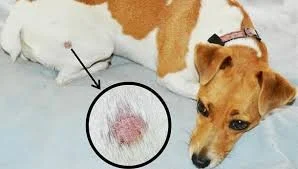
Ringworm can appear in several different ways. Some pets develop the classic circular hair loss lesion, but others have much less obvious signs.
Common signs include:
circular or patchy hair loss
scaling
crusting
broken hairs
mild redness
brittle coat
scabby lesions
rough skin
occasional itching
In many cases, the lesions are found on the:
face
ears
paws
legs
tail
trunk
Cats, especially kittens, may sometimes develop multiple small areas of hair loss and scaling. Dogs may have more patchy or irregular lesions.
Does Ringworm Always Itch?
No. This is one reason owners sometimes miss it.
Some pets with ringworm are itchy, but many are not very itchy at all. Hair loss and scaling may be more obvious than scratching. Because people often expect skin infections to be itchy, they may not immediately think of ringworm when a pet has bald spots without much discomfort.
That also means ringworm can be confused with other causes of hair loss, such as:
allergies
mites
bacterial skin infection
hot spots
self-trauma
hormonal disease
What Causes Ringworm?
Ringworm is caused by exposure to fungal spores. These spores can come from:
infected animals
contaminated bedding
grooming tools
furniture
carpets
the environment
The spores are hardy and can survive in the environment for a long time under the right conditions. That makes reinfection and household spread possible if the condition is not managed carefully.
Which Pets Are More Likely to Get Ringworm?
Any dog or cat can develop ringworm, but some animals are more likely to be affected.
Higher-risk pets include:
kittens
puppies
shelter animals
stray animals
long-haired cats
pets with weakened immune systems
pets living in crowded conditions
Young cats are especially well known for developing ringworm outbreaks, but dogs can absolutely get it too.
Can Humans Catch Ringworm from Pets?
Yes. Ringworm is zoonotic, meaning it can spread from animals to people.
In people, ringworm often appears as:
a circular red rash
scaling skin
itchy patches
ring-like lesions
Not every exposure leads to infection, but people who are more vulnerable include:
young children
elderly adults
people with weakened immune systems
anyone with frequent close contact with the infected pet
If ringworm is diagnosed in a pet, owners should use sensible hygiene measures and speak with their physician if they develop suspicious skin lesions.
Common Signs of Ringworm in Dogs
Dogs with ringworm may show:
patchy hair loss
brittle or broken hairs
scaling
crusting
rough skin lesions
circular bald spots
lesions on the face, ears, or legs
In some dogs, the lesions are subtle and may look like a simple skin irritation or mild abrasion.
Common Signs of Ringworm in Cats
Cats may show:
patchy hair loss
scaling around the face or ears
rough coat
brittle hairs
small scabby lesions
lesions on paws or tail
mild or no itching
Cats can also be tricky because some may carry the fungus with only minimal visible signs, while still being contagious.
Ringworm vs. Other Skin Conditions
Ringworm can look like many other problems, which is why it should not be diagnosed by appearance alone.
It may resemble:
bacterial skin infection
flea allergy dermatitis
hot spots
demodectic mange
sarcoptic mange
allergic skin disease
trauma or self-inflicted hair loss
That is why veterinary testing is important instead of guessing.
I
Dog Hair Loss: Common Causes and When to See the Veterinarian
How Dr. Hart Diagnoses Ringworm
At Bushnell Animal Clinic, Dr. Roger Hart uses the pet’s history, physical examination, and diagnostic testing to evaluate suspicious skin lesions.
Diagnosis may include:
physical exam
examining hair loss patterns
fungal culture
microscopic examination of hairs
Wood’s lamp screening in some cases
ruling out mites, infection, or other skin disease
A Wood’s lamp can sometimes help screen for certain ringworm infections, but it is not enough by itself to confirm every case. Fungal culture or other diagnostic methods are often needed for a more reliable diagnosis.
Why Testing Matters
Testing matters because many skin conditions look similar, but treatment is very different.
For example:
ringworm needs antifungal management
bacterial skin infections need different treatment
mange requires parasite treatment
allergies require allergy control
If owners assume every bald patch is ringworm, they may delay the right treatment. If they assume ringworm is just a minor rash, they may miss the contagious risk.
Treatment for Ringworm in Dogs and Cats
Treatment depends on the severity of the lesions, the number of pets in the household, and whether ringworm has spread in the environment.
Treatment may include:
Topical therapy
This may involve antifungal shampoos, dips, mousses, or creams depending on the case.
Oral antifungal medication
Some pets need systemic treatment, especially when lesions are more widespread or multiple animals are involved.
Clipping long hair in some cases
This may be helpful in certain long-haired pets, though it should be done carefully.
Environmental cleaning
Because fungal spores can remain in the environment, treatment often includes cleaning bedding, grooming tools, and surfaces.
Monitoring and rechecks
Follow-up may be needed to confirm the infection has cleared.
Ringworm treatment is not usually instant. Even when the pet looks better, the infection may still require continued management for a time.
Cleaning the Environment Matters
One of the biggest frustrations with ringworm is that the environment can continue to harbor fungal spores. This means a pet may improve and then become re-exposed.
Helpful cleaning measures may include:
washing bedding regularly
vacuuming frequently
disinfecting surfaces as recommended
cleaning grooming equipment
reducing contact with contaminated fur or debris
Environmental control is especially important in multi-pet homes.
Should Infected Pets Be Isolated?
Sometimes separation from other pets may be recommended, especially if there are multiple animals in the home or high-risk humans around.
This depends on:
how severe the infection is
how many pets are affected
how easy it is to control household exposure
whether children or immune-compromised people are present
Dr. Hart can help advise what level of separation is practical and appropriate based on the situation.
How Long Does Ringworm Take to Go Away?
Ringworm usually does not disappear overnight. Improvement may take time, especially when the environment is contaminated or when multiple pets are involved.
Healing depends on:
the severity of infection
how early treatment begins
whether the environment is cleaned well
whether all infected pets are treated
the pet’s age and overall health
Hair regrowth may take longer than the skin takes to become less infected.
Can Ringworm Go Away on Its Own?
Some mild infections may eventually improve over time, but this is not a good reason to ignore it. During that time, the pet may still be contagious and may continue spreading spores in the home.
Because ringworm can affect people and other pets, veterinary diagnosis and treatment are the better approach.
Ringworm in Florida Pets
Florida’s warm and humid environment can support many skin problems, including fungal and infectious conditions. Pets in Bushnell and surrounding areas may be exposed through contact with other animals, contaminated environments, or stressful conditions that make skin disease more likely to spread.
At Bushnell Animal Clinic, skin disease in both dogs and cats is a common reason for veterinary visits, and ringworm is one of the important contagious conditions that should remain on the list of possibilities when pets develop patchy hair loss.
When to See the Veterinarian
You should schedule an exam if your dog or cat has:
circular bald spots
patchy hair loss
scaling or crusting
lesions on the face, ears, or paws
a skin condition that is not improving
exposure to another pet with ringworm
skin lesions in both pets and people in the household
Dr. Roger Hart and the team at Bushnell Animal Clinic help dogs and cats with fungal skin disease, hair loss, and contagious skin conditions get the diagnosis and treatment they need.
Conclusion
Ringworm in dogs and cats is a common fungal skin infection that can cause hair loss, scaling, and crusting. Because it can look like other skin problems and can spread to other pets and people, it is important to diagnose it properly rather than guessing.
If your pet develops patchy hair loss or suspicious circular lesions, veterinary evaluation is the best next step. At Bushnell Animal Clinic, Dr. Roger Hart provides compassionate care for pets with ringworm, hair loss, skin disease, and other common dermatologic problems.
FAQs
What is ringworm in dogs and cats?
Ringworm is a fungal infection of the skin and hair. It is not caused by a worm.
What does ringworm look like on pets?
It often causes circular or patchy hair loss, scaling, crusting, and broken hairs.
Can ringworm spread from pets to people?
Yes. Ringworm is zoonotic and can spread from infected pets to humans.
Does ringworm always itch?
No. Some pets with ringworm are itchy, but many have little or no itch.
How do veterinarians diagnose ringworm?
Diagnosis may involve a physical exam, fungal culture, microscopic hair examination, and other skin testing.
Can indoor pets get ringworm?
Yes. Indoor pets can still be exposed through contact with other animals or contaminated objects.
How is ringworm treated in pets?
Treatment may include antifungal shampoos, topical medication, oral antifungal medication, and environmental cleaning.
When should I take my pet to the vet for possible ringworm?
You should schedule an exam if your pet has circular bald spots, scaling, crusting, or suspicious hair loss that is not improving.
