Search Pet Health Library
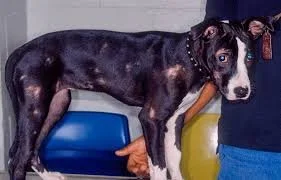
Ringworm in Dogs and Cats: What Pet Owners Should Know
Ringworm is a common fungal skin infection in dogs and cats that can cause patchy hair loss, scaling, crusting, and irritated skin. Despite its name, ringworm is not caused by a worm. It is caused by a fungal organism that affects the hair, skin, and sometimes nails. Because ringworm can spread to other pets and even people, early diagnosis and treatment are important. Dr. Roger Hart at Bushnell Animal Clinic explains what ringworm looks like, how pets get it, and how it is treated.
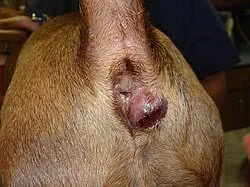
Anal Gland Abscess in Dogs: Signs, Causes, and Treatment
Anal gland abscesses are a painful and common problem in dogs. They usually begin when an anal gland becomes blocked, irritated, and infected. Dogs with an anal gland abscess may scoot, lick under the tail, strain, or suddenly develop swelling and drainage near the anus. Dr. Roger Hart at Bushnell Animal Clinic explains the signs of anal gland abscesses in dogs, what causes them, and how they are treated.
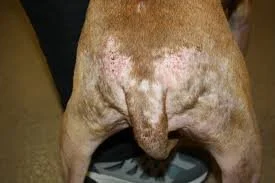
Flea Allergy Dermatitis in Dogs: Signs and Treatment
Flea allergy dermatitis is one of the most common causes of severe itching in dogs. Dogs with this condition are not just bothered by fleas themselves — they are allergic to flea saliva. Even a small number of flea bites can trigger intense scratching, chewing, and skin inflammation. Dr. Roger Hart at Bushnell Animal Clinic explains how flea allergy dermatitis affects dogs, what signs owners should watch for, and how it is treated.
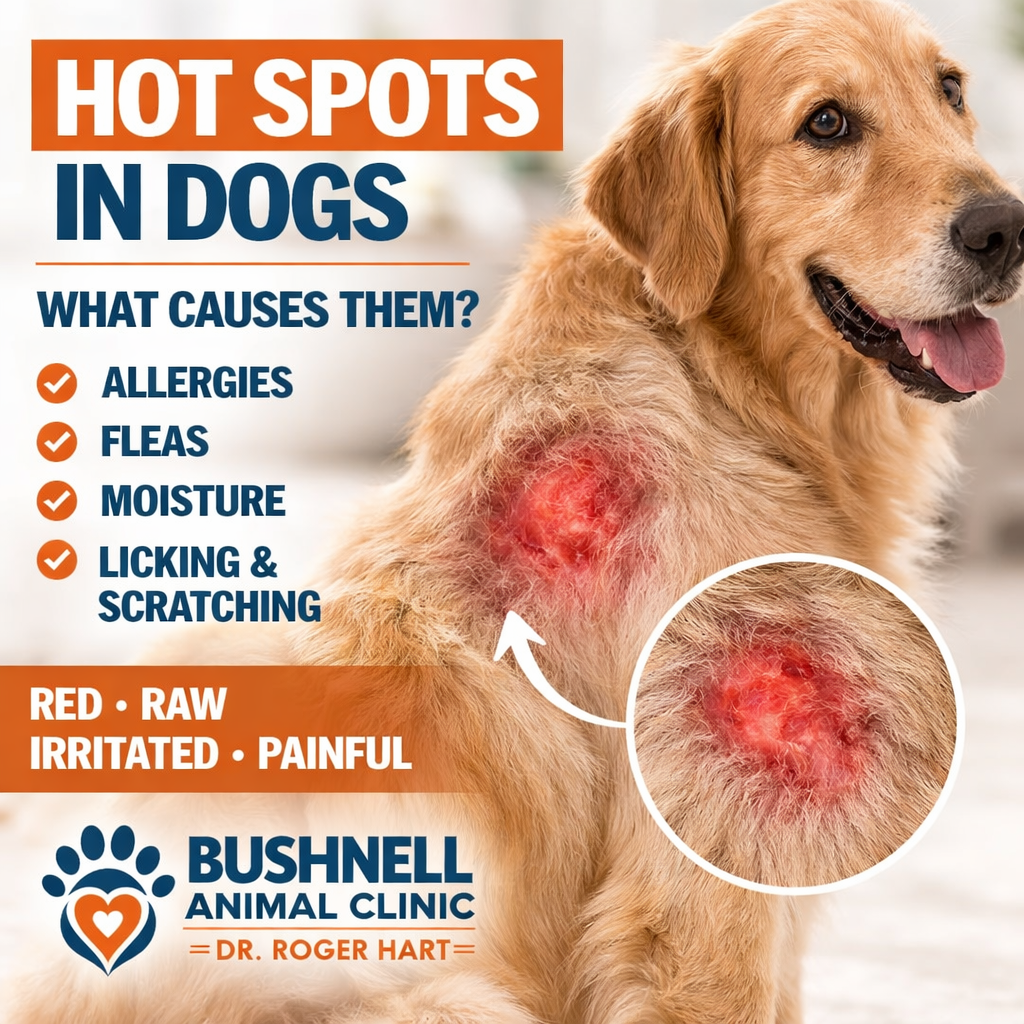
Hot Spots in Dogs: Causes, Treatment, and When to See the Veterinarian
Hot spots are one of the most common skin problems seen in dogs, especially in warm and humid weather. These painful, moist, inflamed skin lesions can appear quickly and become much worse within a day or two. Dogs with hot spots often lick, chew, or scratch the area constantly, making the skin red, raw, and infected. Dr. Roger Hart at Bushnell Animal Clinic explains what hot spots are, what causes them, and when veterinary care is needed.

Dog Ear Infection: Signs, Causes, and Treatment
Dog ear infections are one of the most common reasons dogs shake their heads or scratch at their ears. Early signs may include odor, redness, discharge, pain, and repeated head shaking. Some infections are mild at first, but they can become much more painful if left untreated. Understanding the signs of a dog ear infection can help owners seek veterinary care early and keep their dogs more comfortable.
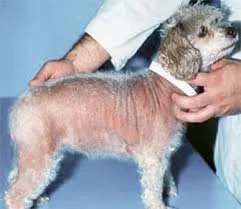
Dog Hair Loss: Common Causes and When to See the Veterinarian
Hair loss in dogs can happen for many reasons. Some dogs lose hair because of allergies, fleas, skin infections, or licking and scratching, while others develop bald areas from parasites, endocrine disease, or chronic skin inflammation. Hair loss may be mild and localized or widespread and persistent. Dr. Roger Hart at Bushnell Animal Clinic explains the common causes of dog hair loss, what signs to watch for, and when veterinary care is needed.
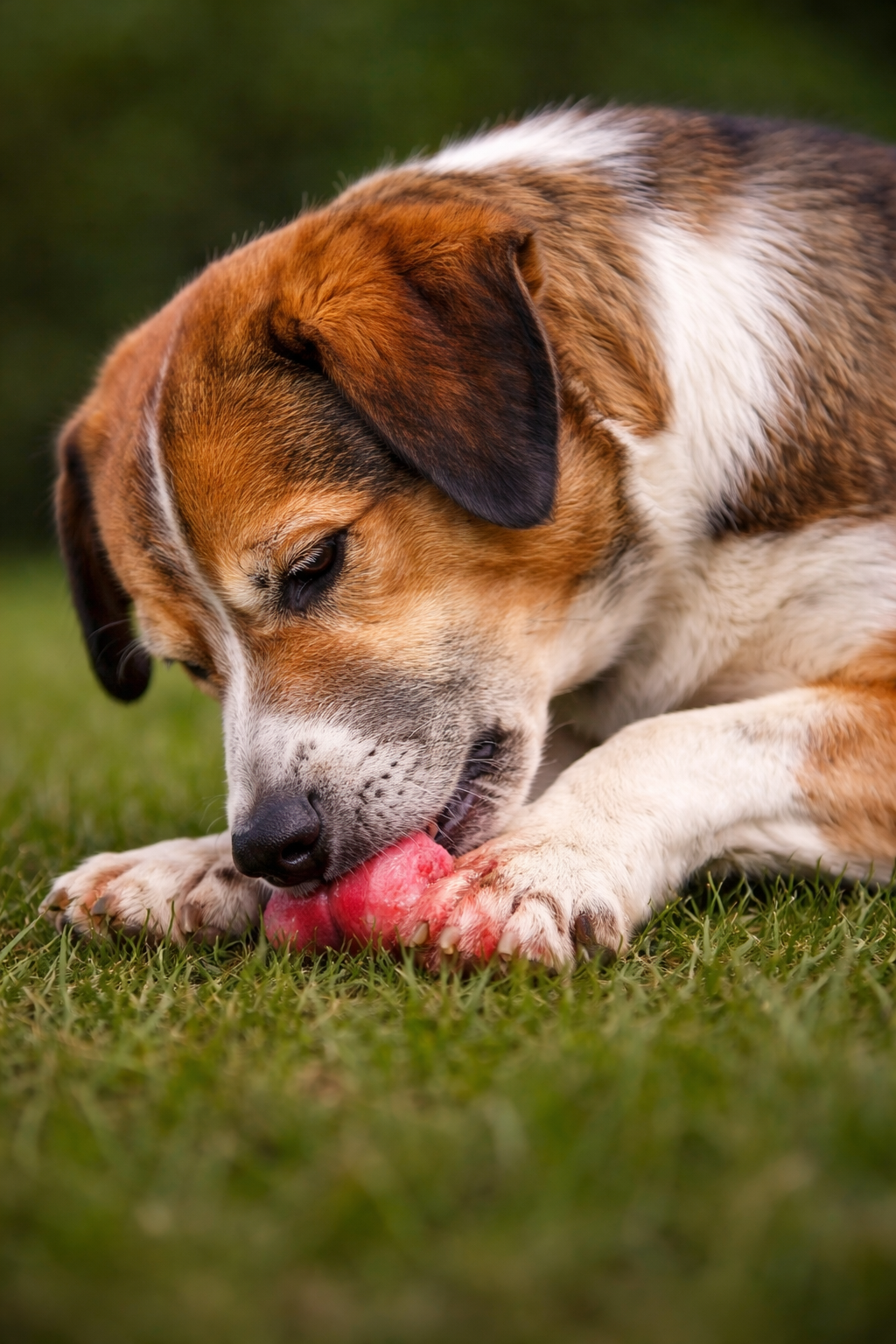
Why Is My Dog Licking Its Paws? When To Call The Vet.
Frequent paw licking in dogs is often a sign that something is bothering the feet. Common causes include allergies, yeast infections, irritation, nail problems, injury, or something stuck between the toes. While occasional licking may be normal grooming, repeated licking can lead to redness, swelling, and skin infection. Understanding why dogs lick their paws can help owners know when veterinary care is needed.
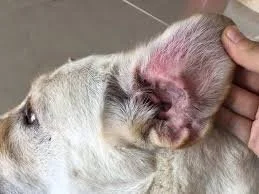
Why Is My Dog Shaking Its Head?
Head shaking in dogs is often a sign of ear discomfort or irritation. Some dogs shake their heads because of ear infections, allergies, trapped debris, ear mites, or inflammation inside the ear canal. While occasional head shaking may not be serious, repeated or forceful shaking usually means something is bothering your dog. Dr. Roger Hart at Bushnell Animal Clinic explains the common causes of head shaking in dogs, what pet owners should look for, and when veterinary care is needed.

Why Is My Dog Itching So Much? What owners can do.
Why is your dog itching so much? Learn the common causes of itching in dogs, including allergies, fleas, ear infections, and skin infections, from Dr. Roger Hart at Bushnell Animal Clinic.
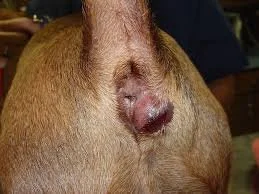
Why Is My Dog Scooting? When to See a Vet?
Scooting occurs when dogs drag their rear across the floor to relieve irritation. The most common cause is anal gland problems, but parasites, allergies, and skin infections can also lead to scooting. Understanding the causes of scooting in dogs can help pet owners recognize when veterinary care may be needed.
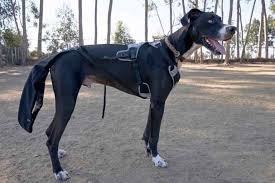
Happy Tail Syndrome in Dogs: Cause and Treatments
Happy Tail Syndrome causes bleeding, cracked, or injured tails in dogs. Learn how Bushnell Animal Clinic diagnoses and treats this frustrating condition.
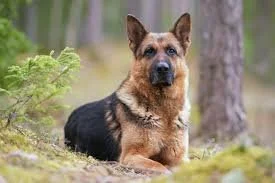
Perianal Fistulae in Dogs: Symptoms, Causes, and Treatment
Is your dog licking, scooting, or struggling to poop? These could be early signs of perianal fistulae—a painful but treatable condition. Learn the symptoms, causes, and the most effective modern treatments that can help your dog feel comfortable again.
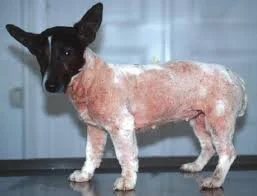
⭐ Food Allergies in Dogs and Cats: Signs, Diagnosis & How to Help Your Pet
Food allergies are a common cause of itching, skin irritation, and chronic ear problems in dogs and cats. Many pets react to proteins they’ve eaten for years, making diagnosis tricky. A strict elimination diet is the only reliable way to identify true food allergies and help your pet feel better.