Why Is My Dog Shaking Its Head?
Why Is My Dog Shaking Its Head?
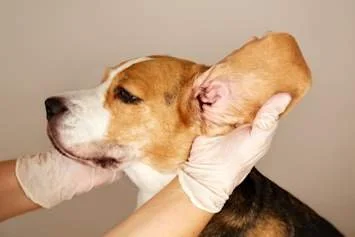
Many dog owners notice their dog suddenly start shaking its head and wonder whether it is something minor or something that needs medical attention. An occasional head shake may simply be a response to water, a brief itch, or a passing irritation. But when head shaking becomes frequent, forceful, or repetitive, it is often a sign that something is bothering the ears.
Head shaking is one of the most common signs of ear discomfort in dogs. Dogs may shake because of ear infections, allergies, debris in the ear canal, trapped moisture, ear mites, or inflammation deeper in the ear. Some cases are mild, but others can become painful and serious if left untreated.
At Bushnell Animal Clinic, Dr. Roger Hart commonly examines dogs with head shaking, scratching at the ears, odor from the ears, and recurrent ear problems. Because ear disease can worsen over time, early evaluation is often the best way to prevent more severe inflammation and discomfort.
What Is Normal Head Shaking in Dogs?
Dogs do shake their heads sometimes, and not every head shake means there is a medical problem. A dog may shake briefly after:
waking up
getting wet
playing outside
having a mild itch
scratching the side of the face
This kind of occasional head shaking is usually short-lived and not accompanied by other symptoms.
The concern begins when your dog:
shakes the head repeatedly
scratches at the ears often
rubs the face on furniture or carpet
cries out when the ears are touched
develops redness, odor, or discharge from the ears
Frequent head shaking almost always means the dog is uncomfortable.
The Most Common Causes of Head Shaking in Dogs
1. Ear Infections
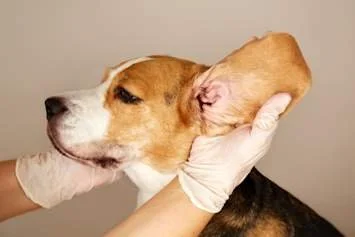
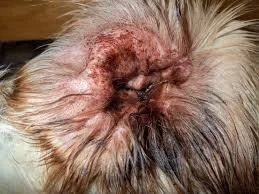
Ear infections are one of the most common reasons dogs shake their heads. When the ear canal becomes inflamed and infected, the irritation can be intense.
Dogs with ear infections may also show:
scratching at the ears
redness inside the ear flap or canal
odor from the ears
brown, yellow, or dark discharge
pain when the ears are touched
tilting the head
Ear infections may be caused by bacteria, yeast, or a combination of both. Some dogs develop a single infection, while others have recurrent ear infections that point to a deeper issue such as allergies.
Internal link suggestion:
[Dog Ear Infection: Signs, Causes, and Treatment]
2. Allergies
Allergies are one of the most common underlying causes of ear disease in dogs. Dogs with environmental allergies or food allergies often develop inflammation inside the ears.
A dog with allergies may also have:
itchy paws
licking or chewing the feet
red skin
recurrent skin infections
itching around the face and ears
frequent anal gland irritation
When allergies affect the ears, the dog may shake the head before the owner notices obvious discharge or redness.
[Why Is My Dog Itching So Much?]
3. Water in the Ears
Some dogs shake their heads after swimming or bathing because moisture becomes trapped inside the ear canal. This is especially common in dogs with floppy ears or dogs that swim often.
Moisture trapped in the ear canal can cause irritation and may also create an environment where yeast or bacteria can grow. If the shaking continues beyond the same day, infection or inflammation may be developing.
4. Debris or Foreign Material in the Ear
Grass awns, dirt, plant material, and other debris can get into the ear canal and create sudden irritation. Dogs with something trapped in the ear may shake the head violently or repeatedly and may paw urgently at one ear.
This kind of head shaking often starts suddenly and can look dramatic. In some cases the dog may hold the head tilted to one side.
Foreign material in the ear should not be ignored, because it can damage the ear canal and lead to infection.
5. Ear Mites
Ear mites are much more common in cats, but dogs can get them as well. Ear mites are tiny parasites that live in the ear canal and cause intense irritation.
Signs may include:
head shaking
ear scratching
dark debris in the ear
inflamed ear canals
Because other ear conditions can look similar, it is important not to assume the cause without an examination.
6. Chronic Ear Inflammation
Some dogs have long-term ear problems that lead to chronic inflammation and thickening of the ear canal. These dogs may not always have dramatic discharge, but they often shake their heads, scratch the ears, and seem uncomfortable.
Over time, chronic inflammation can make the ear canal narrower and harder to treat. This is one reason it is so important to address recurring ear issues early.
7. Pain or Deeper Ear Disease
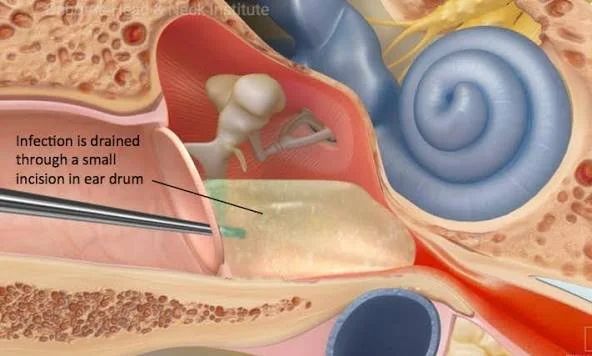
Sometimes head shaking is related to pain deeper in the ear or around the head and neck. Severe ear infections can affect deeper structures and become much more serious.
Dogs with more advanced or painful ear disease may show:
strong odor
severe redness
head tilt
loss of balance
reluctance to eat
crying when the head is touched
These cases need veterinary attention promptly.
Signs That Ear Disease May Be Present
Head shaking often does not happen alone. Other symptoms may help point toward an ear problem.
Watch for:
scratching at the ears
rubbing the face on the floor
odor from the ears
redness inside the ear
discharge
swelling of the ear flap
sensitivity to touch
crusting or debris
If you notice more than one of these symptoms, an ear problem is very likely.
What If the Ear Flap Swells?
One possible complication of repeated head shaking is an aural hematoma. This happens when blood vessels inside the ear flap break and blood collects under the skin.
An aural hematoma can make the ear flap look:
swollen
puffy
thick
warm
painful
This condition is often secondary to ear irritation or infection. If a dog keeps shaking the head and suddenly develops a swollen ear flap, the underlying ear issue still needs to be addressed.
Why Some Dogs Get Recurrent Ear Problems
Some dogs seem to get ear infections or ear irritation over and over. In these cases, the infection is often only part of the story.
Recurring ear problems are commonly linked to:
allergies
chronic yeast overgrowth
floppy ears with poor airflow
trapped moisture
incomplete treatment of previous infections
ear canal narrowing from chronic inflammation
Treating only the current infection may bring short-term relief, but unless the underlying cause is identified, the problem often returns.
Breeds More Prone to Ear Problems
Any dog can develop ear disease, but some dogs are more prone because of their ear shape, coat type, or allergy tendencies.
Dogs more likely to have ear problems may include:
floppy-eared breeds
dogs that swim often
dogs with chronic allergies
dogs with heavy hair in the ear canal
dogs with skin fold problems
Even so, head shaking should never be dismissed just because a breed is “known for ear issues.” Persistent symptoms still deserve evaluation.
How Dr. Hart Diagnoses Head Shaking in Dogs
At Bushnell Animal Clinic, Dr. Roger Hart begins by examining the ears carefully and gathering a full history from the owner.
Diagnosis may include:
physical examination
otoscopic examination of the ear canal
ear cytology
evaluation for yeast or bacteria
assessment for inflammation, debris, or foreign material
discussion of allergy history and recurrence pattern
Ear cytology is especially helpful because it shows whether the problem involves yeast, bacteria, inflammatory cells, or other debris. That helps guide treatment rather than guessing.
Why Home Treatment Can Be Risky
Many owners are tempted to use leftover ear medication or over-the-counter products when their dog starts shaking its head. The problem is that not all ear conditions need the same treatment.
Some dogs need:
antifungal medication
antibacterial medication
ear cleaning
anti-inflammatory treatment
parasite treatment
foreign material removal
Using the wrong product can delay diagnosis and sometimes make the ear more irritated. If the ear is painful or the head shaking is persistent, an exam is safer than guessing.
Treatment for Head Shaking Depends on the Cause
Treatment is based on the reason the dog is shaking its head.
Possible treatments include:
Ear cleaning
Helps remove wax, discharge, and debris when appropriate.
Prescription ear medications
Used when yeast or bacterial infection is present.
Allergy management
Needed when allergies are the reason ear inflammation keeps returning.
Removal of foreign material
Necessary if a grass awn or other debris is trapped in the ear.
Anti-inflammatory treatment
May help reduce swelling and pain in the ear canal.
Parasite treatment
Required when ear mites or other parasites are involved.
Relief often comes quickly once the correct cause is identified and treated.
What You Should Not Ignore
Head shaking can start as a minor problem, but it can worsen quickly if the ears become more inflamed or infected.
You should schedule an exam if your dog has:
repeated head shaking
frequent ear scratching
redness in the ears
odor from the ears
visible discharge
swelling of the ear flap
pain when touched
symptoms lasting more than a day or two
The earlier an ear problem is treated, the easier it usually is to manage.
Can Head Shaking Be Prevented?
Some causes of head shaking are preventable, while others are not completely avoidable. Good preventive care still makes a difference.
Helpful steps include:
keep ears dry after baths and swimming
use only veterinarian-recommended ear cleaners
address itching and allergies early
schedule exams for recurrent ear issues
do not ignore mild repeated head shaking
Prevention is especially important in dogs with a history of allergies or chronic ear infections.
Head Shaking in Dogs in Florida
In Florida, ear problems are especially common because of heat, humidity, swimming, and year-round environmental allergens. Dogs in Bushnell and surrounding areas may have prolonged exposure to pollen, grasses, moisture, and insects that contribute to skin and ear irritation.
That means a dog that shakes its head repeatedly may not simply have a temporary itch. In many cases, allergies or infection are driving the problem.
At Bushnell Animal Clinic, these recurring warm-weather and allergy-related ear complaints are common and worth addressing before they become chronic.
When to See the Veterinarian
If your dog shakes its head once in a while and otherwise seems normal, monitoring may be reasonable. But repeated head shaking is a sign that something is bothering the ears.
You should see your veterinarian if your dog:
shakes the head repeatedly
scratches at the ears often
has redness, odor, or discharge
cries when the ears are touched
develops a swollen ear flap
has recurrent ear issues
also has skin or paw itching
Dr. Roger Hart and the team at Bushnell Animal Clinic help dogs with ear infections, allergies, chronic ear irritation, and head shaking get the diagnosis and relief they need.
Conclusion
If you have been wondering, “Why is my dog shaking its head?”, the answer is often linked to ear discomfort. Ear infections, allergies, trapped moisture, foreign material, mites, and chronic inflammation can all make dogs shake their heads repeatedly.
An occasional head shake is usually nothing to worry about. But when the behavior is frequent, forceful, or paired with scratching, odor, discharge, or pain, it is time for an evaluation.
Dr. Roger Hart at Bushnell Animal Clinic provides compassionate veterinary care for dogs with head shaking, ear irritation, ear infections, and chronic allergy-related ear problems. Identifying the cause early is the best way to get your dog comfortable again.
FAQs
Why is my dog shaking its head but the ears look clean?
Even if the ears look clean on the outside, there may still be inflammation, infection, or irritation deeper in the ear canal. Allergies and early ear disease can cause head shaking before obvious discharge appears.
Can allergies make my dog shake its head?
Yes. Allergies are one of the most common reasons dogs develop ear inflammation. Many allergic dogs shake their heads because their ears are itchy or irritated.
Why does my dog keep shaking its head after a bath?
Water trapped in the ear canal can cause temporary irritation. If the head shaking continues, trapped moisture may be contributing to infection or inflammation.
Can ear infections cause dogs to shake their heads?
Yes. Ear infections are one of the most common causes of repeated head shaking in dogs.
When should I worry about my dog shaking its head?
You should be concerned if the shaking is frequent, forceful, or paired with scratching, odor, discharge, pain, redness, or swelling of the ear flap.
Can head shaking cause a swollen ear flap?
Yes. Repeated head shaking can cause blood vessels inside the ear flap to rupture, leading to an aural hematoma.
Are ear mites common in dogs?
Ear mites are more common in cats, but dogs can get them too. They can cause irritation, scratching, and head shaking.
Should I use over-the-counter ear medicine at home?
It is better to have the ear examined first. Different ear problems require different treatments, and using the wrong product can delay healing or worsen irritation.
