Why Is My Dog Licking Its Paws? When To Call The Vet.
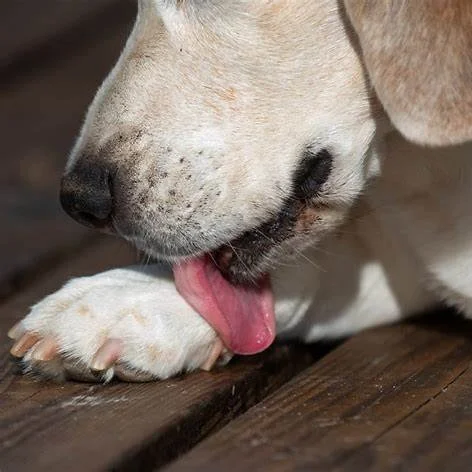
Why Is My Dog Licking Its Paws?
Many dog owners notice their dog licking a paw now and then and do not think much of it. Occasional paw licking can be normal grooming behavior. But when a dog licks the paws repeatedly, chews at the feet, or keeps returning to the same paw over and over, it usually means something is bothering them.
Paw licking is one of the most common signs of skin irritation in dogs. It can be caused by allergies, yeast infections, skin inflammation, injury, nail problems, contact irritation, or foreign material stuck between the toes. Some dogs lick one paw because of a localized problem, while others lick all four feet because of a more generalized skin issue.
At Bushnell Animal Clinic, Dr. Roger Hart commonly evaluates dogs for paw licking, chewing at the feet, red paws, and inflamed skin between the toes. Finding the cause is the most important step, because simply stopping the licking without treating the underlying problem rarely solves it.
Is Paw Licking Ever Normal?
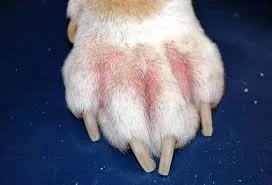
A small amount of paw licking can be normal. Dogs groom themselves, and they may briefly lick the feet after going outside or after resting. That kind of occasional licking usually ends quickly and does not cause visible changes to the skin.
Paw licking becomes a concern when it is:
frequent
repetitive
focused on one area
intense enough to wake the dog up
causing redness or hair loss
turning into chewing or biting
If your dog is constantly focused on the paws, something is likely irritating or hurting them.
The Most Common Causes of Paw Licking in Dogs
1. Allergies
Allergies are one of the most common reasons dogs lick their paws. Dogs with allergies often have inflamed, itchy skin, and the feet are one of the most common places where this shows up.
Dogs with allergy-related paw licking may also have:
ear infections
itchy skin
face rubbing
chewing at the legs
redness on the belly or underarms
recurrent skin problems
Environmental allergies are especially common and may be triggered by:
grasses
pollen
weeds
mold
dust mites
Some dogs also have food allergies, which can affect the paws and skin.
Why Is My Dog Itching So Much?
2. Yeast Infections Between the Toes
Yeast overgrowth is a very common reason dogs lick their paws. When the skin between the toes becomes inflamed and moist, yeast can multiply and cause more itching and irritation.
Signs of yeast involvement may include:
reddish-brown staining on the fur
a musty odor
red skin between the toes
greasy or irritated skin
constant licking
This problem is especially common in dogs with allergies because allergies weaken the skin barrier and make secondary infections more likely.
3. Contact Irritation
Sometimes a dog’s paws react to something the dog walked through or came into contact with. Contact irritation can happen from:
lawn chemicals
cleaning products
certain grasses
rough surfaces
hot pavement
Dogs with contact irritation may suddenly start licking after being outdoors or after walking on a specific surface. In some cases the skin looks red or inflamed, especially between the toes.
4. Foreign Material in the Paw
Dogs sometimes get small objects stuck in the paws, including:
grass awns
splinters
stickers
tiny stones
thorns
When this happens, dogs often lick or chew one paw very intensely. They may limp, avoid putting weight on the foot, or become sensitive when the paw is touched.
This is one of the more important reasons to check the paw carefully if your dog suddenly focuses on only one foot.
5. Nail Problems
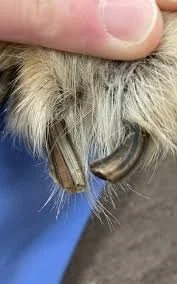
Broken nails, torn nails, or nails that are too long can be surprisingly painful and can lead to persistent licking.
Dogs with nail problems may:
lick one foot
limp
hold the paw up
cry when the foot is touched
have visible bleeding or swelling around a nail
A nail problem can sometimes be missed if the dog has long fur around the feet.
6. Cuts, Abrasions, and Paw Pad Injuries
Dogs can injure their paw pads on rough surfaces, hot pavement, thorns, or sharp objects. Small cuts or abrasions may cause a lot of licking even if the wound looks minor.
These dogs may also:
limp
avoid walking normally
resist paw handling
focus on one specific paw
7. Interdigital Cysts and Inflamed Skin
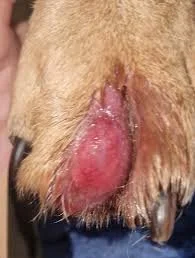
Some dogs develop swollen, inflamed nodules or draining tracts between the toes. These are often called interdigital cysts, although they are not always true cysts.
These painful lesions can cause:
swelling between the toes
limping
licking
redness
draining tracts
These cases often need veterinary treatment and may be linked to infection, allergies, or chronic inflammation.
8. Pain Elsewhere in the Leg
Sometimes dogs lick a foot or lower leg even when the main problem is higher up. Joint pain, arthritis, or orthopedic discomfort can sometimes cause dogs to focus on an area by licking.
If the dog is licking and limping, the issue may not be limited to the skin.
Internal link suggestion:
Why Is My Dog Limping?
What Do Allergy Paws Look Like?
Dogs with allergic paw problems often have a recognizable pattern.
Owners may notice:
red skin between the toes
pink or inflamed paw pads
brown saliva staining on light-colored fur
recurrent licking of multiple feet
associated ear infections or skin itching
When several paws are involved, allergies are much more likely than an isolated injury.
Why Paw Licking Can Turn Into a Bigger Problem
Even when the original cause is mild, constant licking can make the situation worse. Saliva keeps the skin moist, and that moisture can lead to inflammation and secondary infection.
Over time, dogs that lick their paws constantly may develop:
raw skin
hair loss
skin thickening
odor
yeast infection
bacterial infection
pain when walking
That is why chronic paw licking should not be ignored.
When to Look at the Paws Yourself
If your dog suddenly begins licking one paw, it is reasonable to take a quick look if the dog allows it safely.
Check for:
a torn nail
something stuck between the toes
swelling
bleeding
a pad injury
redness between the toes
If you find an obvious injury, if the dog seems painful, or if the licking continues, it is time for an exam.
How Dr. Hart Diagnoses Paw Licking in Dogs
At Bushnell Animal Clinic, Dr. Roger Hart starts by determining whether the paw licking is caused by a skin problem, an injury, an infection, or something more widespread like allergies.
Evaluation may include:
physical examination
close inspection of the feet and nails
skin cytology
ear and skin history
assessment for foreign material or wounds
discussion of environmental and seasonal patterns
Many dogs that lick their paws have more than one issue. For example, a dog may have allergies plus yeast overgrowth between the toes. That is why diagnosis matters.
Treatment Depends on the Cause
Treatment is based on the underlying reason for the licking.
Possible treatments include:
Allergy treatment
If allergies are involved, treatment may focus on reducing inflammation and controlling the allergic trigger.
Antifungal or antibacterial treatment
Yeast and bacterial overgrowth often need specific medication.
Paw cleaning or medicated wipes
Helpful in some allergy and yeast cases.
Foreign material removal
Necessary if something is stuck in the paw.
Nail care or wound treatment
Needed for broken nails or pad injuries.
Environmental management
Useful when grasses or surface irritants are contributing.
The goal is not just to stop the licking temporarily, but to treat what is making the dog uncomfortable.
Paw Licking in Florida Dogs
In Florida, dogs are often exposed to grasses, pollens, humidity, insects, and year-round allergens. That means allergic skin disease and yeast overgrowth are especially common in dogs that lick their paws.
Warm, damp conditions can also make inflamed paws worse, especially if the dog spends a lot of time outdoors. Dogs in Bushnell and surrounding areas often deal with these triggers for much of the year.
When to See the Veterinarian
You should schedule an exam if your dog:
licks the paws constantly
chews the feet
has red or swollen skin between the toes
develops odor or staining on the paws
limps
focuses on one paw suddenly
has repeated episodes of paw licking
also has itchy skin or ear problems
Dr. Roger Hart and the team at Bushnell Animal Clinic help dogs with paw licking, itchy feet, inflamed skin, nail injuries, and allergy-related foot problems get relief through thoughtful diagnosis and treatment.
Conclusion
If you have been asking, “Why is my dog licking its paws?”, the answer may range from allergies to yeast infection to injury or irritation. Occasional grooming is normal, but repeated paw licking usually means something is bothering your dog.
Because chronic licking can quickly lead to redness, skin damage, and infection, it is best to identify the cause early. At Bushnell Animal Clinic, Dr. Roger Hart provides compassionate veterinary care for dogs with paw licking, itchy skin, allergies, and foot problems so they can become comfortable again.
FAQs
Why is my dog licking its paws all the time?
Frequent paw licking is most commonly caused by allergies, yeast infections, irritation, nail problems, or something stuck in the paw.
Can allergies make dogs lick their paws?
Yes. Allergies are one of the most common reasons dogs lick and chew their feet.
Why are my dog’s paws red?
Red paws often suggest inflammation from allergies, yeast infection, contact irritation, or licking itself.
Can yeast cause paw licking in dogs?
Yes. Yeast overgrowth between the toes is a very common reason dogs lick their paws.
Should I worry if my dog is only licking one paw?
Yes, especially if it starts suddenly. One-paw licking may suggest a foreign object, injury, broken nail, or localized irritation.
Why does my dog lick its paws more at night?
At night the behavior may seem more noticeable because things are quieter, but ongoing allergies, irritation, or infection may be driving the licking.
Can paw licking cause infection?
Yes. Constant licking can damage the skin and create conditions for yeast or bacterial infection.
When should I take my dog to the vet for paw licking?
You should schedule an exam if the licking is frequent, if the paws are red or swollen, if the dog is limping, or if the problem keeps coming back.
