Dog Hair Loss: Common Causes and When to See the Veterinarian
Understanding Dog Hair Loss: Common Causes and When to Seek Veterinary Care
Dog Hair Loss: Common Causes and When to See the Veterinarian
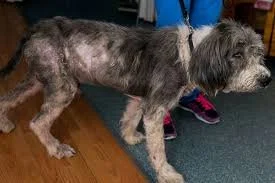
Hair loss in dogs is a very common concern for pet owners. Some dogs develop one small bald patch, while others gradually lose hair over large areas of the body. In some cases, the skin underneath looks red and inflamed. In others, the skin may appear dark, flaky, greasy, or even fairly normal despite the missing hair.
Hair loss, also called alopecia, is not a disease by itself. It is a sign that something is affecting the skin, hair follicles, or the dog’s normal grooming and scratching behavior. Dogs may lose hair because of allergies, fleas, skin infections, hormonal disease, parasites, friction, licking, or chronic irritation.
At Bushnell Animal Clinic, Dr. Roger Hart commonly evaluates dogs for hair loss, itchy skin, hot spots, ear problems, flea allergy dermatitis, and chronic skin disease. Because there are many possible causes of alopecia in dogs, the pattern of hair loss and the condition of the skin are important clues.
What Does Hair Loss in Dogs Look Like?
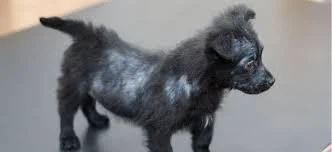
Hair loss in dogs can appear in different ways depending on the cause.
Owners may notice:
small bald patches
thinning coat
missing hair over the tail base
patchy hair loss on the face or ears
hair loss on the belly or legs
symmetrical hair thinning on both sides
broken or chewed-off hair
red, irritated skin under the hair loss
darkened or thickened skin
scabs or crusting
Some hair loss happens because the hair falls out. Other times, the dog is actually breaking or chewing the hair off from licking and scratching.
Is Any Hair Loss Normal?
Dogs normally shed some hair, and seasonal shedding is common. Shedding alone is different from abnormal hair loss.
Normal shedding usually means:
the coat looks thinner but not patchy
the skin is not inflamed
there are no bald lesions
the dog is not itchy or uncomfortable
Abnormal hair loss is more likely when there are:
bald patches
itching
redness
skin odor
scabs
constant licking or scratching
progressive thinning over time
Common Causes of Hair Loss in Dogs
1. Allergies

Allergies are one of the most common causes of hair loss in dogs. Dogs with allergies often itch, lick, and scratch so much that the hair becomes thin or broken.
Allergic dogs may also have:
red skin
itchy paws
recurrent ear infections
face rubbing
chewing at the tail base
hot spots
Environmental allergies, food allergies, and flea allergy dermatitis can all lead to hair loss.
Internal link suggestion:
Why Is My Dog Itching So Much?
2. Fleas and Flea Allergy Dermatitis
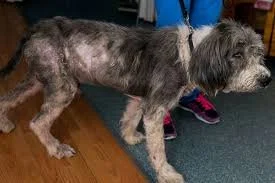
Fleas can cause direct irritation, but dogs with flea allergy dermatitis often develop much more severe itching and hair loss, especially over the:
tail base
lower back
rump
thighs
Even a few flea bites can trigger a major flare in allergic dogs. Many owners do not see fleas because the dog is grooming so aggressively.
Internal link suggestion:
Flea Allergy Dermatitis in Dogs
3. Skin Infections
Bacterial and yeast infections can damage the skin and hair coat. Dogs with skin infections may lose hair because the inflamed skin is unhealthy, and because the dog keeps licking and scratching.
Signs of skin infection may include:
odor
redness
greasy coat
scabs
darkened skin
moist lesions
crusting
Infections are especially common in dogs with allergies.
4. Hot Spots
Hot spots can create very obvious focal hair loss. The fur around the lesion often becomes wet and matted, and once clipped away, a red painful bald patch is revealed.
These lesions are often triggered by:
allergies
fleas
moisture
ear disease
self-trauma from scratching
Internal link suggestion:
Hot Spots in Dogs
5. Paw Licking and Chewing
Some dogs lose hair on the feet and lower legs because they lick or chew those areas constantly. The hair may become stained, thin, and broken before the skin becomes obviously red.
Why Is My Dog Licking Its Paws?
6. Ringworm
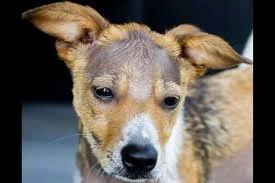
Ringworm is a fungal infection that can cause circular patches of hair loss, scaling, and crusting. Despite the name, it is not caused by a worm.
Ringworm is important because it can spread to:
other pets
people
Not every circular bald patch is ringworm, but it is one of the causes veterinarians consider.
7. Mange and Other Parasites
Parasites such as mites can cause hair loss, itching, and inflamed skin. Two important examples are:
sarcoptic mange
demodectic mange
Some parasitic causes of hair loss are very itchy, while others may cause more patchy hair loss with less scratching.
8. Hormonal or Endocrine Disease
Not all dogs with hair loss are itchy. Some dogs lose hair because of hormonal conditions that affect the coat and skin.
Examples include:
hypothyroidism
Cushing’s disease
Dogs with endocrine-related alopecia may show:
hair thinning on both sides
darker skin
recurrent skin infections
a dry or poor-quality coat
weight or energy changes
These dogs often need a medical workup beyond the skin itself.
9. Friction or Pressure Areas
Hair may thin over pressure points or places where the dog rubs repeatedly. This may happen over elbows, chest, or other contact areas.
This kind of hair loss is often less inflamed than allergic or infectious causes.
10. Chronic Licking and Self-Trauma
Some dogs lose hair because they focus repeatedly on one area and create a lick lesion or chronic inflamed patch. The underlying trigger may be itch, pain, anxiety, or skin irritation.
Where the Hair Loss Is Located Matters
The pattern of alopecia often gives important clues.
Tail base and rump
Often linked to:
fleas
flea allergy dermatitis
anal gland irritation
Paws and lower legs
Often linked to:
allergies
yeast infection
chronic licking
Face and ears
Often linked to:
ear disease
allergies
parasites
Circular patches
May suggest:
ringworm
localized infection
trauma
Symmetrical thinning on both sides
May suggest:
endocrine disease
hormonal imbalance
Belly and armpits
Often linked to:
allergies
contact irritation
recurrent skin infection
Is Hair Loss Always Itchy?
No. This is an important point.
Some dogs with hair loss are extremely itchy. Others have little or no itching at all. Hair loss without itching can sometimes point more toward:
hormonal disease
endocrine disorders
friction-related alopecia
certain chronic skin conditions
Hair loss with a lot of itching is more likely to be caused by:
allergies
fleas
infection
parasites
hot spots
self-trauma
Other Signs That Matter
When a dog is losing hair, the hair loss itself is only part of the picture. Other symptoms can help narrow down the cause.
Important things to notice include:
is the dog itchy?
does the skin smell bad?
is the skin red?
are there scabs or crusts?
is the dog shaking the head?
are the paws being licked?
are fleas or flea dirt present?
is the hair loss symmetrical?
has the dog gained weight or slowed down?
These details help guide diagnosis.
How Dr. Hart Diagnoses Hair Loss in Dogs
At Bushnell Animal Clinic, Dr. Roger Hart evaluates both the pattern of alopecia and the condition of the skin underneath.
Diagnosis may include:
physical examination
flea combing
skin cytology
skin scraping
fungal testing when needed
review of allergy history
discussion of diet and seasonality
bloodwork when endocrine disease is suspected
Because so many conditions can cause alopecia, diagnosis often starts by ruling out the most common and most treatable possibilities.
Why Diagnosis Matters
Hair loss is not something that should be treated with guesswork alone. Two dogs may have very similar bald areas but completely different causes.
For example:
one dog may have flea allergy dermatitis
another may have ringworm
another may have hypothyroidism
Each requires a different approach. Treating only the hair loss itself without identifying the cause usually leads to recurrence or incomplete improvement.
Treatment for Hair Loss Depends on the Cause
Treatment may include:
Flea prevention
Critical when fleas or flea allergy are involved.
Allergy management
Important for dogs whose itching is driving hair loss.
Antibiotics or antifungals
Needed when bacterial or yeast infection is present.
Parasite treatment
Required for mange or other parasitic causes.
Hormonal workup and treatment
Needed for conditions like hypothyroidism or Cushing’s disease.
Topical care
Some dogs benefit from medicated shampoos, mousses, or skin cleansers.
Hair regrowth often takes time, even after the underlying problem is controlled.
How Long Does Hair Take to Grow Back?
This depends on:
the cause of the hair loss
how long the problem has been present
whether infection or inflammation is involved
whether the dog keeps traumatizing the area
Some dogs begin regrowing hair fairly quickly, while others take weeks to months to look normal again. Chronic skin damage may slow regrowth.
Hair Loss in Florida Dogs
Dogs in Florida often deal with year-round allergens, fleas, humidity, and skin infections. That means allergy-related and flea-related hair loss is especially common in Bushnell and surrounding areas.
Warm weather also means more exposure to:
grasses
pollen
insects
moisture-related skin irritation
For many Florida dogs, recurrent hair loss is tied to a combination of allergies, skin infection, and self-trauma.
When to See the Veterinarian
You should schedule an exam if your dog has:
bald patches
constant scratching or licking
redness or odor
scabs or crusting
hair loss at the tail base
repeated skin problems
symmetrical thinning
hair loss that is getting worse
skin darkening or thickening
Dr. Roger Hart and the team at Bushnell Animal Clinic help dogs with hair loss, itchy skin, skin infections, endocrine-related coat changes, and chronic allergy problems find the cause and begin appropriate treatment.
Conclusion
Hair loss in dogs can happen for many reasons, from allergies and fleas to skin infections, ringworm, parasites, and endocrine disease. Some dogs are very itchy, while others lose hair with little scratching at all.
Because so many different conditions can cause alopecia, it is important not to assume all hair loss is the same. Finding the cause is the key to proper treatment and healthy hair regrowth.
At Bushnell Animal Clinic, Dr. Roger Hart provides compassionate veterinary care for dogs with hair loss, itching, skin disease, and coat problems. If your dog is developing bald patches or thinning fur, an examination can help determine why.
FAQs
Why is my dog losing hair?
Dogs lose hair for many reasons, including allergies, fleas, skin infections, parasites, ringworm, and hormonal disease.
Can allergies cause hair loss in dogs?
Yes. Allergies often lead to scratching, licking, and chewing that damage the coat and cause hair loss.
Why is my dog losing hair near the tail?
Hair loss near the tail base is commonly associated with fleas or flea allergy dermatitis.
Can yeast infections cause hair loss in dogs?
Yes. Yeast overgrowth can inflame the skin and lead to itching, licking, and broken or missing hair.
Is hair loss in dogs always itchy?
No. Some causes of hair loss, especially hormonal diseases, may not cause much itching.
Can ringworm cause bald patches in dogs?
Yes. Ringworm often causes patchy circular areas of hair loss and scaling.
How long does it take for dog hair to grow back?
It depends on the cause and how damaged the skin is. Some dogs improve quickly, while others take weeks to months.
When should I take my dog to the vet for hair loss?
You should schedule an exam if hair loss is patchy, worsening, itchy, red, odorous, or accompanied by other skin changes.
