Dog Ear Infection: Signs, Causes, and Treatment
\
Dog Ear Infection: Signs, Causes, and Treatment
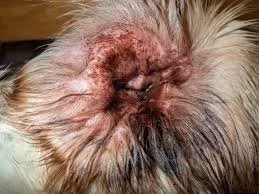
Ear infections are one of the most common reasons dogs are brought to the veterinarian. Some dogs develop mild irritation and start shaking their heads, while others become so uncomfortable that they scratch constantly, cry when the ears are touched, or develop a strong odor and heavy discharge.
Dog ear infections can range from mild to severe. In some cases, the infection is straightforward and responds quickly to treatment. In other dogs, ear infections keep coming back because an underlying problem such as allergies, chronic inflammation, or moisture in the ears is driving the issue.
At Bushnell Animal Clinic, Dr. Roger Hart frequently examines dogs for head shaking, ear scratching, odor, discharge, and recurrent ear problems. Recognizing the signs of an ear infection early can help prevent more serious pain and long-term ear damage.
What Is a Dog Ear Infection?
A dog ear infection occurs when the ear canal becomes inflamed and microorganisms such as yeast or bacteria overgrow. This inflammation makes the ears uncomfortable and often painful.
Most dog ear infections affect the external ear canal, which is called otitis externa. If left untreated, inflammation can become more severe and may affect deeper parts of the ear.
Because a dog’s ear canal is shaped differently from a human’s, moisture, wax, debris, and inflammation can become trapped more easily. That makes dogs especially prone to ear problems.
Common Signs of an Ear Infection in Dogs

Many dogs show obvious signs of ear discomfort, but some have milder symptoms at first.
Common symptoms include:
shaking the head
scratching at the ears
rubbing the face on the floor or furniture
redness inside the ear
odor from the ears
discharge or debris
pain when the ears are touched
swelling of the ear canal or ear flap
whining or irritability
holding the head tilted
Some dogs also develop secondary problems such as scabs around the ear opening or swelling of the ear flap from repeated head shaking.
What Does Dog Ear Infection Discharge Look Like?
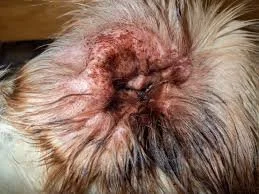
Ear discharge can vary depending on the cause of the infection.
Owners may notice:
dark brown debris
yellow discharge
waxy buildup
moist discharge
crusting near the ear opening
The appearance alone does not always tell you whether the infection is caused by yeast, bacteria, or both. That is why examination and ear cytology are so useful.
What Causes Ear Infections in Dogs?
Ear infections do not all happen for the same reason. The infection itself is sometimes only part of the problem.
1. Allergies
Allergies are one of the most common underlying causes of recurrent ear infections in dogs. Dogs with allergies often develop inflammation in the skin and ears, which allows yeast and bacteria to overgrow.
Dogs with allergy-related ear problems may also have:
itchy paws
licking or chewing of the feet
skin redness
recurrent hot spots
face rubbing
anal gland irritation
Internal link suggestion:
[Why Is My Dog Itching So Much?]
2. Yeast Overgrowth
Yeast is a very common component of dog ear infections. When the ear environment becomes warm, moist, and inflamed, yeast can multiply quickly.
Yeast ear infections are often associated with:
itching
odor
dark waxy debris
chronic recurrence
Yeast overgrowth commonly happens in dogs with allergies.
3. Bacterial Infection
Bacteria can also infect the ear canal, sometimes alone and sometimes along with yeast. Bacterial infections may cause:
pain
redness
yellow or moist discharge
stronger inflammation
odor
Some bacterial infections are more severe than others, and treatment should be guided by proper diagnosis.
4. Moisture in the Ears
Dogs that swim often or get frequent baths may trap moisture in the ear canal. This can irritate the ears and create conditions that allow yeast or bacteria to grow.
Moisture-related ear disease is especially common in:
floppy-eared dogs
water-loving breeds
humid climates like Florida
5. Ear Anatomy
Some dogs are more prone to ear problems because of their ear shape or heavy hair around the ear canal. Poor airflow can contribute to trapped moisture and chronic inflammation.
Dogs with floppy ears or narrow ear canals may be at greater risk.
6. Foreign Material
Grass seeds, plant material, dirt, or other debris can enter the ear canal and cause sudden irritation. This may lead to inflammation, pain, and secondary infection.
Dogs with a foreign object in the ear often start shaking their heads very suddenly.
7. Ear Mites
Ear mites are less common in dogs than in cats, but they can occur. These parasites cause itching and inflammation and may lead to dark debris in the ear.
Why Ear Infections Often Come Back
Recurring ear infections usually mean there is an underlying cause that has not been fully addressed.
Common reasons for recurrence include:
untreated allergies
incomplete treatment
chronic yeast overgrowth
ongoing moisture in the ear
narrow or chronically inflamed ear canals
Some dogs improve with medication, then flare up again a few weeks or months later. In many of these cases, the infection is only the visible part of a bigger problem.
How Dr. Hart Diagnoses Ear Infections
At Bushnell Animal Clinic, Dr. Roger Hart begins with a physical examination and careful inspection of the ears.
Diagnosis may include:
examination of the ear canal
otoscope evaluation
ear cytology
assessment for redness, debris, swelling, and odor
discussion of allergy history and recurrence
Ear cytology is especially important because it helps identify whether the infection involves:
yeast
bacteria
inflammatory cells
other abnormal debris
This allows treatment to be based on what is actually in the ear rather than guesswork.
Why Ear Cytology Matters
Many ear infections look similar from the outside. A dark ear may be yeast, but it may also involve bacteria. A painful red ear may be bacterial, mixed, or driven by underlying allergies.
Ear cytology helps answer questions like:
Is yeast present?
Are bacteria present?
Is the infection severe?
Is there a mixed infection?
That information guides the choice of medication and improves the chance of successful treatment.
Treatment for Dog Ear Infections
Treatment depends on the cause and severity of the infection.
Possible treatments include:
Ear Cleaning
A veterinarian may recommend a specific ear cleaner to remove wax and debris safely.
Prescription Ear Medication
Many infections require medication placed directly into the ear. These products may contain:
antifungal medication
antibiotic medication
anti-inflammatory medication
Oral Medication
Severe infections sometimes require oral medication in addition to ear treatment.
Allergy Management
If allergies are causing repeat infections, long-term allergy control may be needed.
Follow-Up Care
Some ears need recheck examinations to ensure the infection is truly resolved.
What Not to Do at Home
Owners often want to help quickly, but some home treatments can worsen the problem.
Avoid:
using leftover medication from another pet
using alcohol or peroxide in the ears
inserting cotton swabs deep into the ear canal
assuming all ear infections are the same
A painful ear should be examined rather than treated blindly.
Can Ear Infections Cause a Swollen Ear Flap?
Yes. Repeated head shaking can rupture blood vessels inside the ear flap and cause an aural hematoma. This makes the ear flap become swollen, puffy, and painful.
If this happens, the dog likely still has an underlying ear problem that needs treatment.
Internal link suggestion:
[Why Is My Dog Shaking Its Head?]
When Ear Infections Become Serious
Some ear infections are mild, but others become severe and painful. In advanced cases, dogs may develop:
strong odor
significant pain
thickened ear canals
deep infection
head tilt
balance problems
Chronic inflammation can damage the ear canal over time and make future infections harder to manage.
That is why early treatment matters.
How to Help Prevent Ear Infections
Not every ear infection can be prevented, but several steps may reduce the risk.
Helpful strategies include:
keep ears dry after swimming or baths
use only veterinarian-approved ear cleaners
address allergies early
schedule exams for recurrent ear issues
do not ignore mild head shaking or odor
Dogs with chronic allergy problems often need more long-term ear care than dogs who only get occasional infections.
Ear Infections in Dogs in Florida
Dogs in Florida often deal with heat, humidity, swimming, pollen, grasses, and year-round allergens. These conditions can make ear disease more common, especially in dogs already prone to allergies or yeast overgrowth.
At Bushnell Animal Clinic, dogs with recurring ear infections are common, especially during warm and humid seasons. Because Florida dogs often have ongoing exposure to allergy triggers, repeated ear symptoms should not be ignored.
When to See the Veterinarian
You should schedule an examination if your dog has:
repeated head shaking
scratching at the ears
odor from the ears
redness
discharge
pain when touched
a head tilt
swelling of the ear flap
recurring ear issues
The sooner the infection is diagnosed, the easier it usually is to treat.
Dr. Roger Hart and the team at Bushnell Animal Clinic help dogs with ear infections, allergies, head shaking, and chronic ear disease get proper diagnosis and treatment.
Conclusion
Dog ear infections are extremely common, but they should never be ignored. If your dog is shaking its head, scratching the ears, developing odor, or showing signs of pain, there is a good chance the ears are inflamed or infected.
Some ear infections are simple and respond quickly to treatment. Others are linked to allergies or chronic inflammation and require a more complete long-term plan.
At Bushnell Animal Clinic, Dr. Roger Hart provides compassionate care for dogs with ear infections and recurring ear problems. Finding the cause early is the best way to relieve discomfort and help prevent chronic damage.
FAQs
What are the signs of an ear infection in dogs?
Common signs include head shaking, ear scratching, odor, redness, discharge, pain, and face rubbing.
Why does my dog keep getting ear infections?
Recurring ear infections are often linked to allergies, chronic yeast overgrowth, trapped moisture, or incomplete resolution of previous infections.
Can allergies cause ear infections in dogs?
Yes. Allergies are one of the most common underlying causes of recurrent ear infections.
What does a yeast ear infection look like in dogs?
Yeast infections often cause itching, odor, and dark waxy debris, although appearance alone is not enough for diagnosis.
Can I treat my dog’s ear infection at home?
It is better to have the ears examined first. Different ear infections need different treatments, and the wrong product can worsen the problem.
Do ear infections hurt dogs?
Yes. Many ear infections are uncomfortable or painful, especially when inflammation becomes severe.
Can ear infections make dogs shake their heads?
Yes. Head shaking is one of the most common signs of ear discomfort and infection.
When should I take my dog to the vet for an ear problem?
You should schedule an exam if the dog has repeated head shaking, scratching, odor, discharge, redness, or pain.
Internal Links
Why Is My Dog Itching So Much?
Why Is My Dog Shaking Its Head?
Why Is My Dog Licking Its Paws?
Hot Spots in Dogs
Flea Allergy Dermatitis in Dogs
Why Is My Dog Scooting?
Anal Gland Abscess in Dogs
