Hot Spots in Dogs: Causes, Treatment, and When to See the Veterinarian
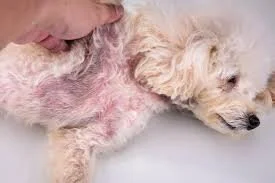
Understanding Hot Spots in Dogs: Causes and Treatment Options
Hot spots are a very common and frustrating skin problem in dogs. They can start suddenly, worsen quickly, and make dogs extremely uncomfortable in a short amount of time. Many owners first notice a small irritated patch of skin, only to find a much larger raw, moist, painful lesion by the next day.
A hot spot is an area of inflamed skin that becomes red, irritated, moist, and often infected because the dog licks, scratches, chews, or rubs the area repeatedly. Hot spots are also called acute moist dermatitis. They can happen anywhere on the body but are especially common on the face, neck, chest, hips, and near the tail base.
At Bushnell Animal Clinic, Dr. Roger Hart commonly evaluates dogs with hot spots, itching, skin infections, and allergy-related skin problems. Because hot spots can expand quickly and become very painful, early treatment often makes a big difference in comfort and recovery.
What Is a Hot Spot?
A hot spot is a localized area of skin inflammation that develops when the skin becomes irritated and the dog keeps traumatizing the area through licking, chewing, scratching, or rubbing.
The skin soon becomes:
red
warm
moist
painful
inflamed
sometimes infected
Hot spots often look dramatic because the fur around the lesion becomes wet or matted, and the exposed skin underneath may look raw. Even though the lesion is localized, the dog’s discomfort can be significant.
Why Are They Called Hot Spots?
The term “hot spot” comes from the appearance of the lesion. The affected area often feels warm and looks bright red and inflamed. These lesions can also develop very rapidly, sometimes seeming to appear overnight.
Many owners are surprised by how fast hot spots worsen. What begins as a small itchy patch can turn into a large painful wound-like lesion within hours if the dog continues to scratch or lick it.
What Causes Hot Spots in Dogs?
Hot spots are usually not the primary problem. Instead, they develop because something causes the dog to itch, lick, or chew the skin excessively. That repeated trauma damages the skin barrier and leads to inflammation and infection.
Common triggers include:
1. Allergies
Allergies are one of the most common causes of hot spots. Dogs with allergies often have itchy skin, and repeated scratching can trigger a hot spot.
Allergy triggers may include:
pollen
grasses
mold
dust mites
food ingredients
flea bites
Dogs with allergy-related skin problems often also have:
ear infections
paw licking
red skin
face rubbing
recurring skin irritation
Internal link suggestion:
Why Is My Dog Itching So Much?
2. Fleas and Flea Allergy Dermatitis
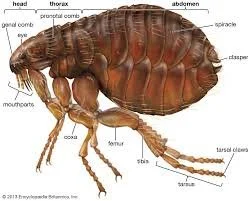
Flea bites can trigger intense itching, especially in dogs with flea allergy dermatitis. Some dogs react strongly to even a small number of flea bites.
Flea-related hot spots commonly occur:
over the tail base
on the lower back
on the thighs
around the rear end
In Florida, where flea exposure can happen year-round, this is an especially important cause.
3. Moisture Trapped in the Coat
Hot spots are more common in warm, humid weather and in dogs with thick coats. Moisture trapped against the skin can irritate the skin and create an environment where bacteria thrive.
Moisture may come from:
swimming
bathing
rain
humidity
poor drying after grooming
This is one reason hot spots are so common during hot Florida weather.
4. Ear Infections

Dogs with painful or itchy ears may scratch at the side of the face or neck repeatedly. This can create a hot spot near the ear, cheek, or neck.
Internal link suggestion:
Dog Ear Infection: Signs, Causes, and Treatment
Why Is My Dog Shaking Its Head?
5. Paw Licking and Skin Irritation
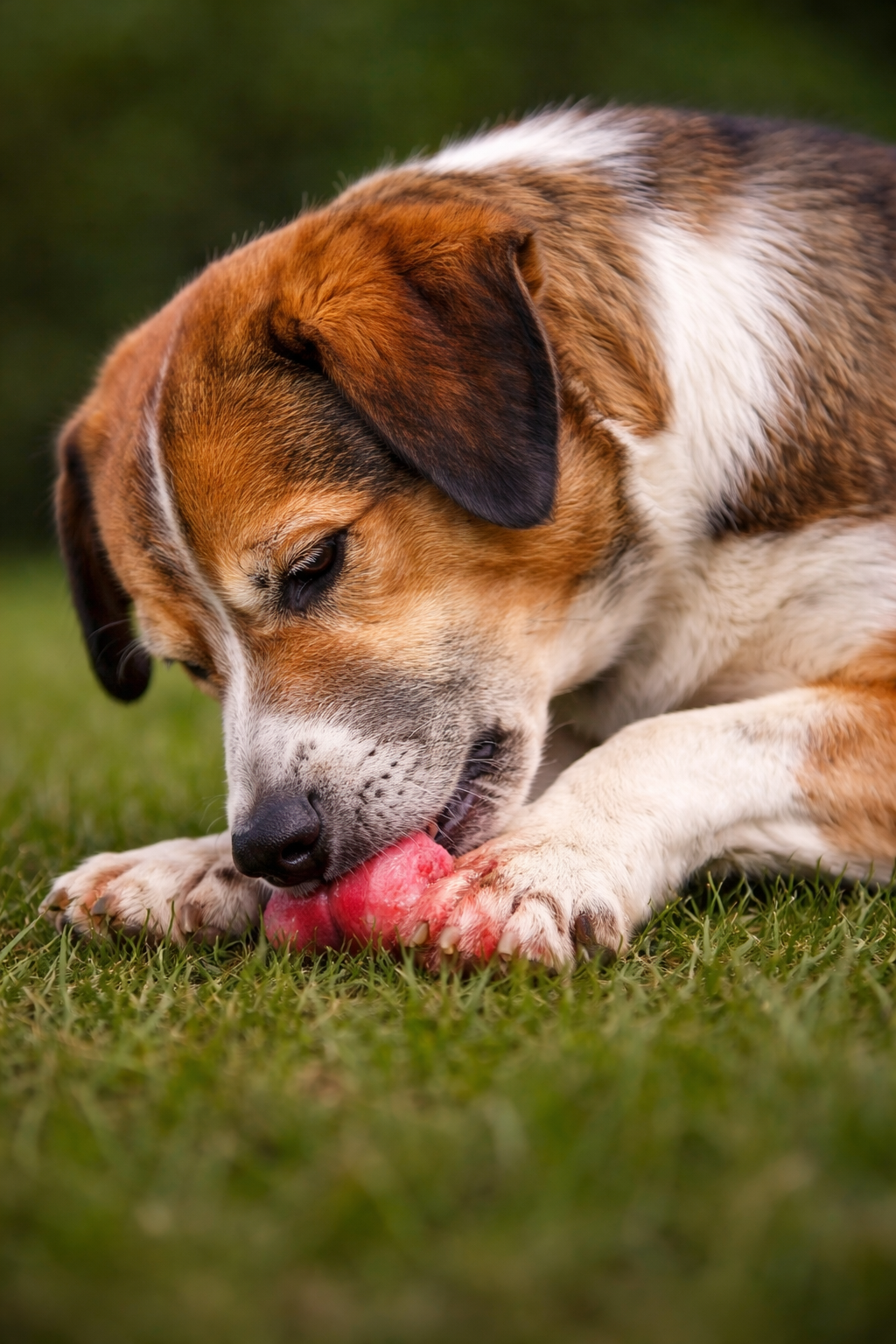
Some dogs develop hot spots because they are generally itchy and are already licking or scratching elsewhere on the body. Dogs with chronic allergies or inflamed skin may develop secondary hot spots in places they can reach repeatedly.
Internal link suggestion:
Why Is My Dog Licking Its Paws?
6. Anal Gland or Rear-End Irritation
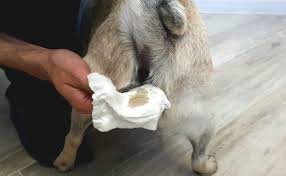
Dogs that have anal gland problems or irritation near the tail base may chew or lick the rear end constantly. This can lead to a hot spot over the rump or near the tail.
Internal link suggestion:
Why Is My Dog Scooting?
7. Skin Wounds or Insect Bites
Small skin irritations can also trigger a hot spot, including:
insect bites
minor cuts
scratches
grooming irritation
If the dog starts licking or scratching the area aggressively, a hot spot can form very quickly.
What Do Hot Spots Look Like?
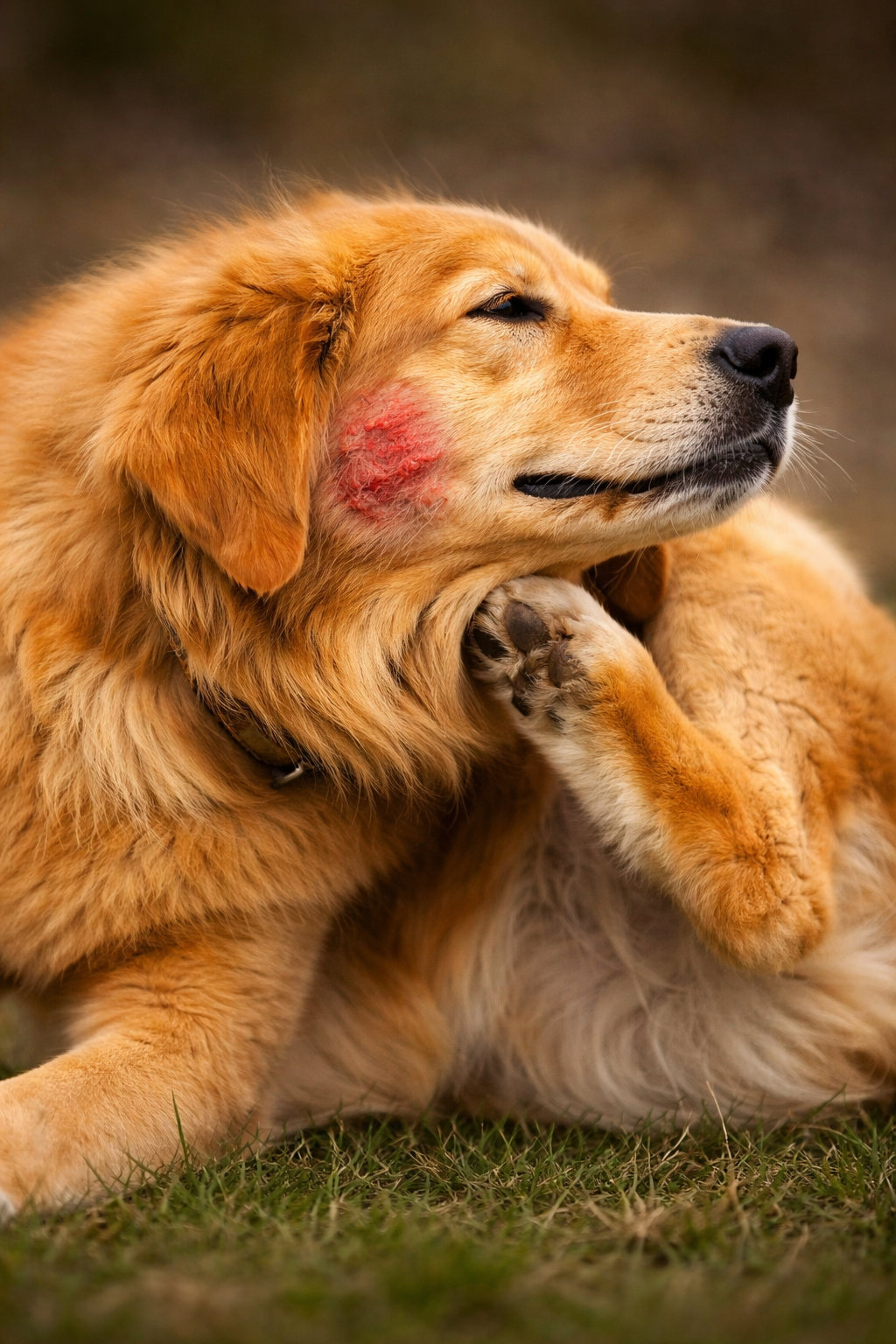
Hot spots usually have a fairly recognizable appearance.
Owners often notice:
a red raw patch of skin
moist or oozing skin
hair matted with moisture
a circular or irregular inflamed lesion
crusting at the edges
pain when touched
constant licking or chewing
Sometimes the surrounding fur hides how large the lesion really is. Once the hair is clipped away, the affected area may be much bigger than expected.
Where Do Hot Spots Usually Occur?
Hot spots can occur anywhere, but some locations are more common.
Frequent areas include:
side of the face
neck
chest
hips
near the tail base
thighs
The location often gives clues about the underlying cause. For example, a hot spot near the ear may point to ear disease, while one near the tail base may suggest fleas or anal gland irritation.
Are Hot Spots Painful?
Yes. Hot spots are usually both itchy and painful. Dogs often seem restless, bothered, and unable to leave the area alone.
Because the lesion is inflamed and moist, even light touching may be uncomfortable. Dogs may cry, snap, or flinch when owners try to inspect the area if it has become severe.
Why Hot Spots Spread So Fast
Hot spots worsen quickly because the dog continues to traumatize the skin. Licking, scratching, and chewing create more moisture and more inflammation, which leads to more irritation and more licking.
This creates a cycle:
skin becomes irritated
dog licks or scratches
skin becomes more inflamed
bacteria overgrow
dog becomes even itchier and more painful
Without treatment, the lesion can enlarge rapidly.
How Dr. Hart Diagnoses Hot Spots
At Bushnell Animal Clinic, Dr. Roger Hart examines not only the hot spot itself, but also the likely reason it developed.
Evaluation may include:
physical examination
skin assessment
flea evaluation
ear examination
discussion of allergy history
assessment of recent swimming, grooming, or outdoor exposure
skin cytology when needed
The hot spot itself may be obvious, but the more important question is why it happened.
Treatment for Hot Spots in Dogs
Treatment usually has two parts:
treating the hot spot itself
treating the underlying trigger
Common treatment may include:
Clipping the Hair Around the Lesion
This helps expose the area, improve airflow, and allow medication to reach the skin.
Cleaning the Area
The lesion is usually cleaned to remove moisture, discharge, and debris.
Topical Medication
Medications may be used to reduce inflammation, itching, and bacterial overgrowth.
Oral Medication
Some dogs need oral antibiotics, anti-itch medication, or anti-inflammatory treatment depending on severity.
Flea Control
If fleas are involved, treatment must include effective flea prevention.
Treating the Underlying Cause
If allergies, ear infections, or anal gland irritation are driving the hot spot, those issues must also be addressed.
Why You Should Not Ignore a Hot Spot
Some owners hope the lesion will dry up and improve on its own. Mild spots sometimes do, but many worsen quickly.
You should not ignore a hot spot because:
it can become infected
it can expand rapidly
it is often painful
the dog usually keeps making it worse
the underlying cause may still be untreated
Prompt treatment often makes recovery much faster.
Can Hot Spots Be Treated at Home?
Very mild cases may improve if the dog is prevented from licking the area and the underlying irritation is addressed. However, many hot spots need veterinary care because they are painful, infected, or expanding.
Home treatment can be difficult because:
the fur hides the full lesion
the dog keeps licking it
the area often needs clipping
the cause may be allergies, fleas, or infection
If the area is raw, moist, growing, or painful, an exam is the best choice.
How Long Do Hot Spots Take to Heal?
Healing time depends on how large the lesion is, how long it has been present, and whether the underlying cause is controlled.
Some mild cases improve in a few days once treated. More severe cases may take longer, especially if the dog has allergies or keeps licking the area.
The biggest factor is whether the dog is prevented from continuing to traumatize the spot.
How to Help Prevent Hot Spots
Not all hot spots can be prevented, but several steps reduce the risk.
Helpful prevention includes:
year-round flea prevention
managing allergies early
keeping ears healthy
drying the coat well after swimming or bathing
grooming thick-coated dogs regularly
watching for early itching or licking
Dogs with a history of hot spots often benefit from quicker intervention the next time itching begins.
Hot Spots in Florida Dogs
Florida dogs are especially prone to hot spots because of:
heat
humidity
fleas
swimming
thick summer coats
year-round allergens
Dogs in Bushnell and surrounding areas often have more prolonged exposure to these triggers than dogs in cooler climates. That means skin irritation, flea allergy dermatitis, and moist skin problems are especially common.
At Bushnell Animal Clinic, hot spots are a frequent warm-weather complaint, but they can happen any time of year if the underlying trigger is present.
When to See the Veterinarian
You should schedule an exam if your dog has:
a red moist skin lesion
constant licking or chewing in one area
pain when the area is touched
a lesion that is growing quickly
recurrent hot spots
signs of fleas, allergies, or ear problems
a foul smell or discharge from the area
Dr. Roger Hart and the team at Bushnell Animal Clinic help dogs with hot spots, itching, skin infections, allergies, and secondary skin lesions find relief and get appropriate treatment.
Conclusion
Hot spots in dogs are common, painful, and often develop very quickly. They are usually triggered by something that makes the dog itch or irritates the skin, such as allergies, fleas, moisture, ear disease, or rear-end irritation.
Because dogs keep licking and scratching the area, hot spots often become worse fast. That is why early treatment and finding the underlying cause are so important.
At Bushnell Animal Clinic, Dr. Roger Hart provides compassionate veterinary care for dogs with hot spots, skin irritation, itching, and allergy-related skin disease. If your dog has developed a red, raw, painful patch of skin, prompt evaluation can help bring faster relief.
FAQs
What causes hot spots in dogs?
Hot spots are usually caused by a dog licking, scratching, or chewing irritated skin. Common triggers include allergies, fleas, moisture, ear infections, and anal gland irritation.
What do hot spots look like on dogs?
Hot spots usually look like red, moist, inflamed, painful skin lesions that may ooze or have matted hair around them.
Are hot spots painful for dogs?
Yes. Hot spots are often both itchy and painful, and many dogs become very uncomfortable.
Can fleas cause hot spots?
Yes. Fleas and flea allergy dermatitis are very common triggers for hot spots, especially near the tail base.
Can I treat a hot spot at home?
Very mild cases may improve with careful management, but many hot spots need veterinary care because they are painful, infected, or expanding.
How fast do hot spots spread?
They can spread very quickly, sometimes within hours, because the dog keeps licking and scratching the area.
Are hot spots contagious?
No, hot spots themselves are not contagious, but the underlying cause, such as fleas or certain parasites, may affect other pets.
When should I take my dog to the vet for a hot spot?
You should schedule an exam if the lesion is red, moist, painful, growing, foul-smelling, or if your dog will not stop licking it. Internal Links
Why Is My Dog Itching So Much?
Why Is My Dog Licking Its Paws?
Why Is My Dog Shaking Its Head?
Dog Ear Infection: Signs, Causes, and Treatment
Why Is My Dog Scooting?
Flea Allergy Dermatitis in Dogs
Anal Gland Abscess in Dogs
