Search Pet Health Library

Know When Your Dog or Cat Needs More Quality of Life
As dogs and cats age, changes in comfort, appetite, mobility, grooming, behavior, and daily routine can become harder to interpret. Some slowing down is part of aging, but chronic pain, illness, weakness, and decline in quality of life are not things to ignore. Dr. Roger Hart at Bushnell Animal Clinic explains how to evaluate quality of life in senior pets, what warning signs to watch for, and when it may be time for more medical support or difficult decisions.
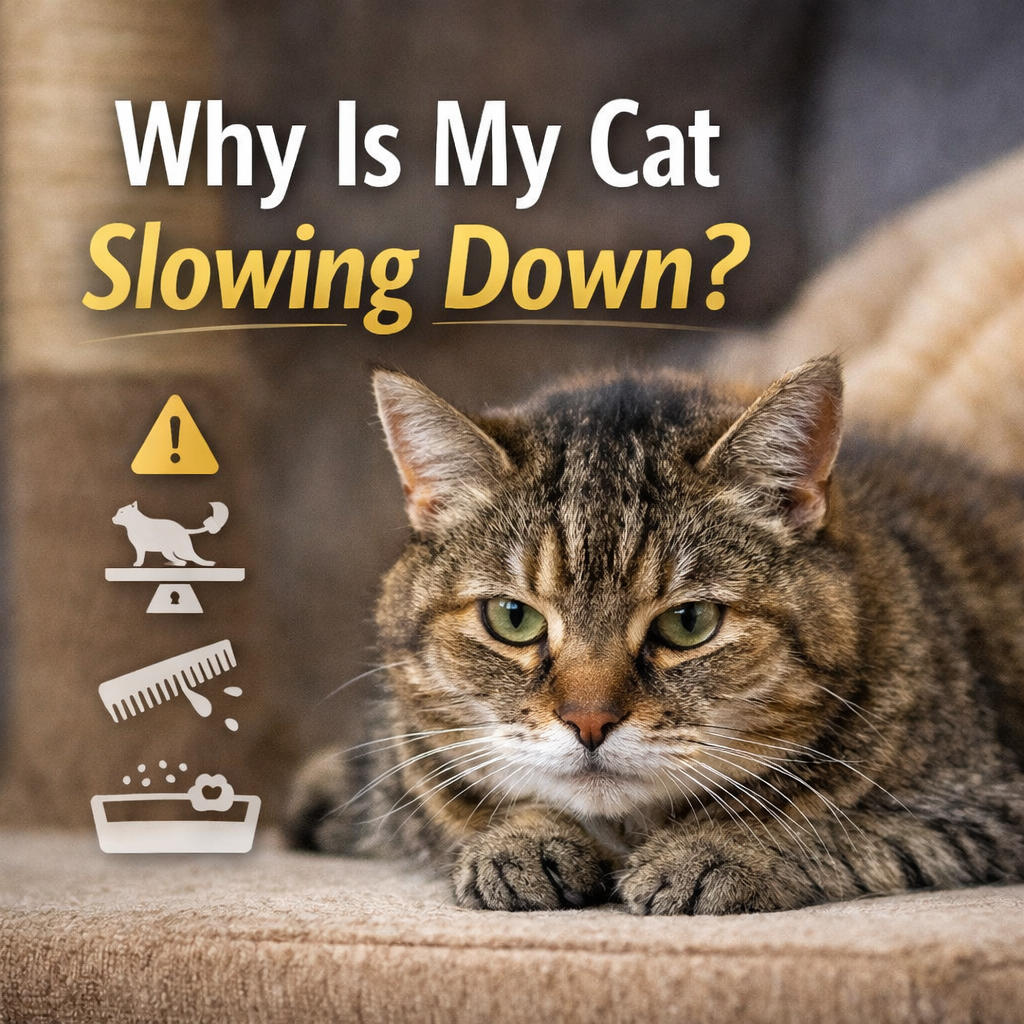
How to Tell if My Cat Is Slowing Down From Age or Illness
As cats get older, many owners notice changes in energy, appetite, grooming, sleep, litter box habits, and social behavior. Some slowing down can be part of normal aging, but other changes may signal pain, kidney disease, hyperthyroidism, arthritis, cognitive decline, or another medical problem. Understanding the difference between normal aging and illness can help cat owners seek veterinary care earlier and support a better quality of life. Dr. Roger Hart at Bushnell Animal Clinic explains what to watch for in senior cats and when slowing down should be taken seriously.

How to Tell if My Dog Is Slowing Down From Age or Illness
As dogs get older, many pet owners begin to notice changes in energy, mobility, appetite, sleep, and behavior. Some slowing down can be a normal part of aging, but other changes may signal pain, arthritis, dental disease, kidney disease, cancer, or another medical problem. Knowing the difference between normal aging and illness can help dog owners seek veterinary care sooner and support a better quality of life. Dr. Roger Hart at Bushnell Animal Clinic explains what to watch for in senior dogs and when slowing down should be taken seriously.
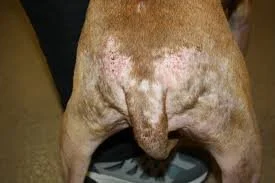
Flea Allergy Dermatitis in Dogs: Signs and Treatment
Flea allergy dermatitis is one of the most common causes of severe itching in dogs. Dogs with this condition are not just bothered by fleas themselves — they are allergic to flea saliva. Even a small number of flea bites can trigger intense scratching, chewing, and skin inflammation. Dr. Roger Hart at Bushnell Animal Clinic explains how flea allergy dermatitis affects dogs, what signs owners should watch for, and how it is treated.
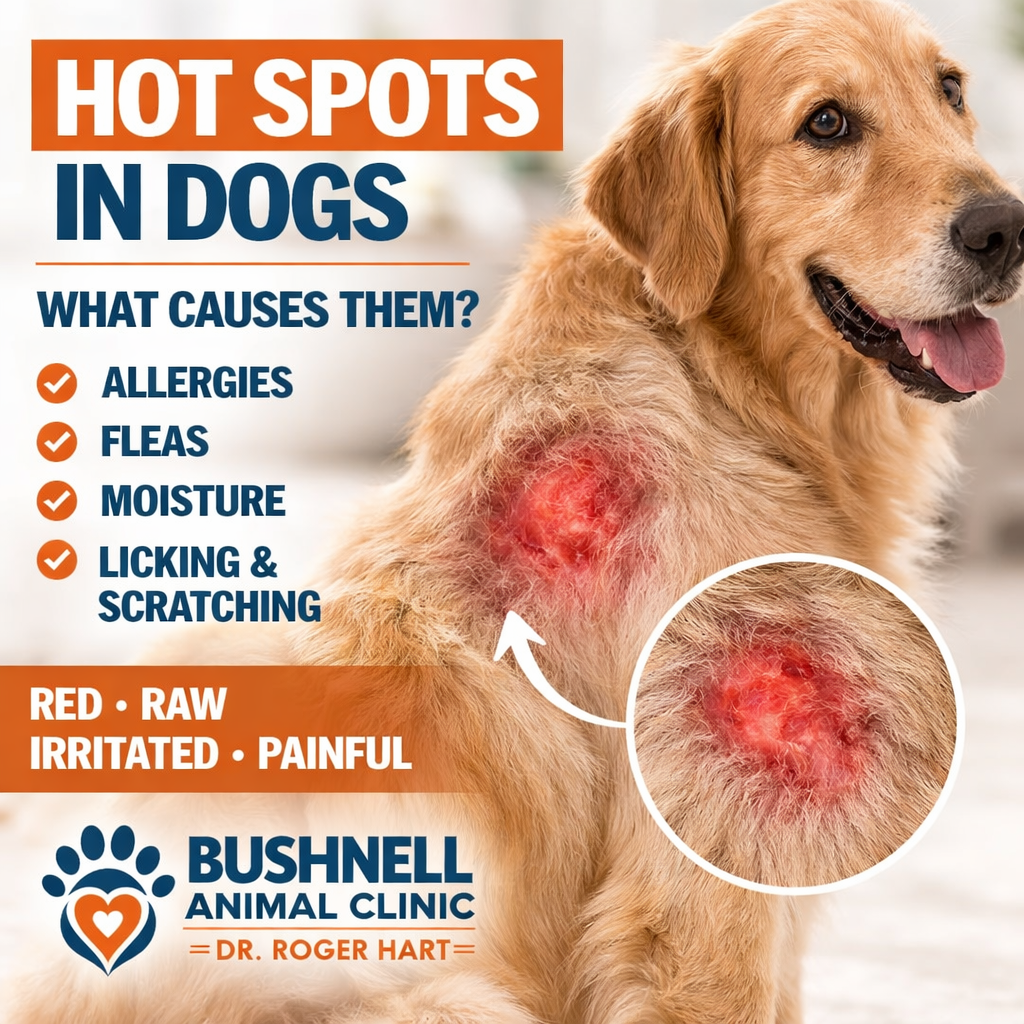
Hot Spots in Dogs: Causes, Treatment, and When to See the Veterinarian
Hot spots are one of the most common skin problems seen in dogs, especially in warm and humid weather. These painful, moist, inflamed skin lesions can appear quickly and become much worse within a day or two. Dogs with hot spots often lick, chew, or scratch the area constantly, making the skin red, raw, and infected. Dr. Roger Hart at Bushnell Animal Clinic explains what hot spots are, what causes them, and when veterinary care is needed.

Why Is My Dog Licking Its Paws? When To Call The Vet.
Frequent paw licking in dogs is often a sign that something is bothering the feet. Common causes include allergies, yeast infections, irritation, nail problems, injury, or something stuck between the toes. While occasional licking may be normal grooming, repeated licking can lead to redness, swelling, and skin infection. Understanding why dogs lick their paws can help owners know when veterinary care is needed.
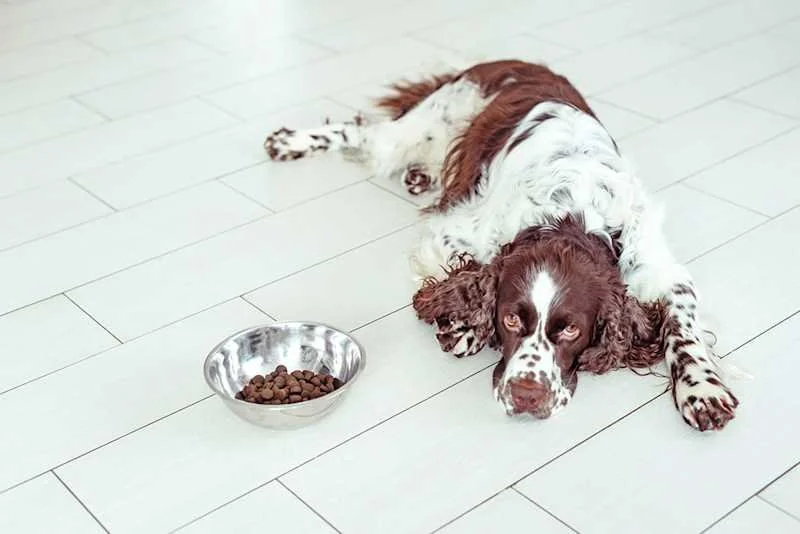
Pancreatitis in Dogs: Symptoms, Causes, and Treatment
Pancreatitis is a painful and potentially serious condition that occurs when the pancreas becomes inflamed. The pancreas plays an important role in digestion by producing enzymes that help break down food. When inflammation occurs, these digestive enzymes can begin damaging surrounding tissues, causing significant discomfort for dogs.
Dogs with pancreatitis commonly develop symptoms such as vomiting, loss of appetite, lethargy, and abdominal pain. In some cases dogs may also experience diarrhea or dehydration. The condition can develop suddenly and may require prompt veterinary care.
Pancreatitis is often associated with high-fat foods, dietary changes, obesity, or underlying medical conditions. Early diagnosis and treatment are important to prevent complications and help dogs recover more quickly.
At Bushnell Animal Clinic, pancreatitis is frequently diagnosed in dogs that present with vomiting and digestive upset. Recognizing the warning signs can help pet owners seek veterinary care when it is most needed.

How to Choose the Right Veterinarian For Your Pet.
Choosing the right veterinarian can be overwhelming, especially when every clinic claims to offer “quality care.” The truth is, not all vets provide the same level of service. Some rush appointments, refer out basic procedures, or lack up‑to‑date diagnostics. Others take the time to listen, perform most treatments in‑house, accept walk‑ins, and send you home with a clear written plan. This article breaks down the essential qualities to look for so you can confidently choose a veterinarian who is truly there for you and your pet.