Search Pet Health Library
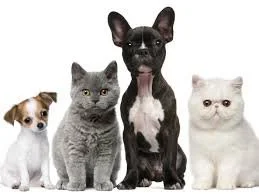
Know When Your Dog or Cat Needs More Quality of Life
As dogs and cats age, changes in comfort, appetite, mobility, grooming, behavior, and daily routine can become harder to interpret. Some slowing down is part of aging, but chronic pain, illness, weakness, and decline in quality of life are not things to ignore. Dr. Roger Hart at Bushnell Animal Clinic explains how to evaluate quality of life in senior pets, what warning signs to watch for, and when it may be time for more medical support or difficult decisions.
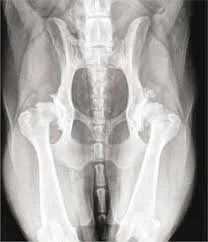
Understanding Arthritis in Older Dogs: Signs and Treatments
Arthritis is one of the most common reasons older dogs slow down. Many senior dogs with arthritis do not cry out or show dramatic lameness at first. Instead, owners may notice stiffness after rest, slower rising, trouble with stairs, limping, or less interest in walks and play. Dr. Roger Hart at Bushnell Animal Clinic explains the signs of arthritis in older dogs, available treatment options, and when a dog should be evaluated.
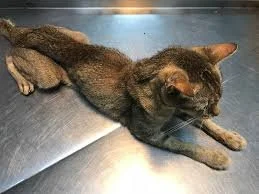
Understanding Why Your Senior Cat Is Not Eating
When a senior cat stops eating or begins eating less, it should never be dismissed as just old age. Older cats may lose appetite because of kidney disease, hyperthyroidism, dental disease, nausea, cancer, digestive disease, pain, or other chronic illness. Dr. Roger Hart at Bushnell Animal Clinic explains the common reasons senior cats stop eating, what signs to watch for, and when veterinary evaluation is important.
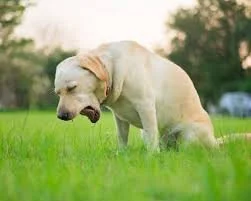
Why Is My Senior Dog Not Eating? When to Worry.
When a senior dog stops eating or begins eating less, it should never be dismissed as just old age. Older dogs may lose appetite because of dental disease, kidney disease, pain, nausea, cancer, digestive disease, medication effects, or other chronic illness. Dr. Roger Hart at Bushnell Animal Clinic explains the common reasons senior dogs stop eating, what signs to watch for, and when veterinary evaluation is important.
Senior Cat Weight Loss: Common Causes and When to Worry
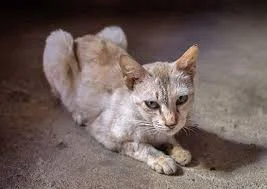
Weight loss in an older cat should never be ignored. While many owners assume a senior cat is simply getting thinner with age, unplanned weight loss often points to an underlying medical problem such as kidney disease, hyperthyroidism, dental pain, cancer, intestinal disease, or chronic inflammation. Dr. Roger Hart at Bushnell Animal Clinic explains the common causes of weight loss in senior cats and when veterinary evaluation is important.
How to Tell if My Cat Is Slowing Down From Age or Illness
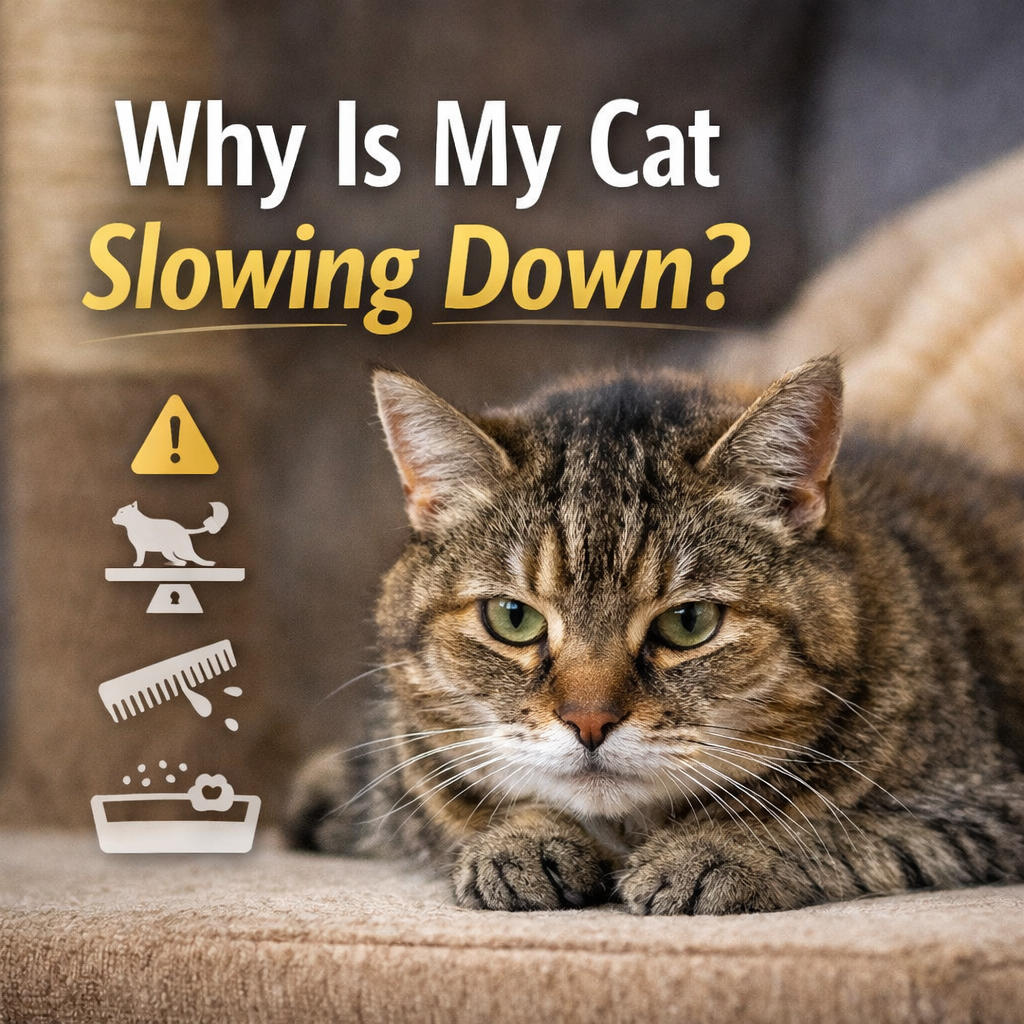
As cats get older, many owners notice changes in energy, appetite, grooming, sleep, litter box habits, and social behavior. Some slowing down can be part of normal aging, but other changes may signal pain, kidney disease, hyperthyroidism, arthritis, cognitive decline, or another medical problem. Understanding the difference between normal aging and illness can help cat owners seek veterinary care earlier and support a better quality of life. Dr. Roger Hart at Bushnell Animal Clinic explains what to watch for in senior cats and when slowing down should be taken seriously.

How to Tell if My Dog Is Slowing Down From Age or Illness
As dogs get older, many pet owners begin to notice changes in energy, mobility, appetite, sleep, and behavior. Some slowing down can be a normal part of aging, but other changes may signal pain, arthritis, dental disease, kidney disease, cancer, or another medical problem. Knowing the difference between normal aging and illness can help dog owners seek veterinary care sooner and support a better quality of life. Dr. Roger Hart at Bushnell Animal Clinic explains what to watch for in senior dogs and when slowing down should be taken seriously.