Why Is My Senior Dog Not Eating? When to Worry.
Why Is My Senior Dog Not Eating? Common Causes and When to Worry
A senior dog who is not eating is not something to brush off as normal aging. While older dogs may become a little less food-driven than they were as puppies or young adults, a meaningful drop in appetite often signals a medical problem, pain, nausea, or another source of discomfort. Decreased or absent appetite is one of the most common reasons older dogs are brought to the veterinarian.
At Bushnell Animal Clinic, one of the most important questions in an older dog with appetite loss is whether the dog is dealing with a specific treatable problem. In many cases, the answer is yes. What owners may describe as “slowing down” or “just getting picky” may actually be related to dental pain, kidney disease, cancer, gastrointestinal disease, medication effects, or chronic pain.
Is It Normal for an Older Dog to Eat Less?
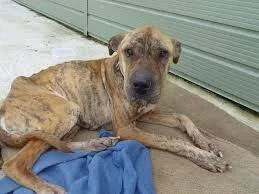
Some small changes in eating habits can happen with age. A senior dog may:
take longer to finish meals
become a little more selective
prefer softer food
need meals split into smaller portions
But a senior dog that is clearly eating less, skipping meals, turning away from food, or refusing food altogether should not be assumed to be normal. A decreased appetite can signal an underlying medical problem and deserves attention.
Common Causes of Appetite Loss in Senior Dogs
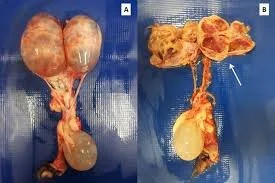
Older dogs may stop eating for many reasons. Common categories include:
dental disease and mouth pain
kidney disease
nausea
liver disease
gastrointestinal disease
cancer
chronic pain such as arthritis
endocrine disease
medication side effects
infections or systemic illness
These are all part of the broader list of causes of anorexia or decreased appetite in dogs. Systemic disease, pain, cancer, kidney disease, and gastrointestinal problems are all well-recognized reasons dogs stop eating.
1. Dental Disease and Mouth Pain
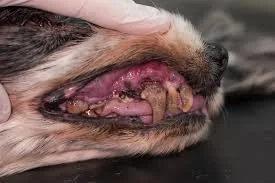
One of the most common reasons an older dog stops eating is dental pain. A dog may still be interested in food but have difficulty chewing, picking up kibble, or biting down comfortably. Even if the teeth do not look terrible at first glance, painful disease can exist below the gumline. Dental disease is specifically recognized as a common cause of poor appetite in dogs.
Signs that mouth pain may be involved include:
dropping food
eating more slowly
chewing on one side
wanting canned food instead of dry food
bad breath
reluctance to chew treats
Why Does My Dog Have Bad Breath?
2. Kidney Disease
Kidney disease is another major cause of appetite loss in older dogs. As kidney function declines, dogs may feel nauseated and generally unwell, which can reduce their interest in food. VCA notes that kidney disease can affect appetite, and dogs with chronic kidney disease may progressively lose interest in food as the disease advances.
Owners may also notice:
increased drinking
increased urination
vomiting
weight loss
lethargy
bad breath
Why Is My Dog Drinking So Much Water?
End-Stage Kidney Failure in Dogs and Cats
3. Nausea and Gastrointestinal Upset
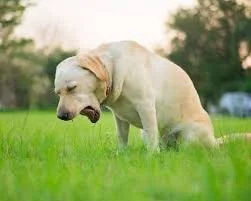
Many older dogs stop eating because they are nauseated. Nausea may be caused by kidney disease, liver disease, pancreatitis, gastrointestinal irritation, intestinal disease, toxins, or other systemic illness. Diseases of the stomach and intestines commonly cause vomiting, appetite loss, and digestive upset in dogs. Chronic intestinal disease can also lead to longer-term appetite loss.
Signs that nausea may be involved include:
lip licking
drooling
sniffing food and walking away
vomiting
grass eating
reluctance to eat regular meals
Why Is My Dog Throwing Up?
4. Cancer
Cancer is always an important possibility in a senior dog that stops eating. Appetite loss may occur because of pain, organ dysfunction, nausea, inflammation, or the cancer itself. Cancers of all types are recognized causes of appetite loss in dogs.
Other clues may include:
weight loss
a new lump
weakness
vomiting
coughing
abdominal enlargement
less interest in normal activity
Lumps in Older Dogs: When to Worry
Senior Dog Weight Loss: Common Causes
5. Chronic Pain and Arthritis
A senior dog with chronic pain may eat less simply because they do not feel well. Arthritis, spinal pain, or other painful conditions can suppress appetite. Pain is specifically recognized as a cause of decreased appetite and listlessness in dogs.
Dogs with chronic pain may also show:
slower rising
limping
reluctance to go on walks
stiffness after rest
less interest in family interaction
How to Tell if My Dog Is Slowing Down From Age or Illness
Arthritis in Older Dogs
6. Liver Disease
Liver disease can reduce appetite and also cause vomiting, diarrhea, weight loss, and lethargy. Signs of liver disease in dogs commonly include loss of appetite and vomiting, along with other systemic changes.
If poor appetite is paired with vomiting, diarrhea, weakness, or yellowing of the eyes or gums, liver disease becomes more concerning.
7. Endocrine and Metabolic Disease
Hormonal and metabolic disorders can also affect appetite in older dogs. Conditions such as Addison’s disease and diabetes can sometimes present with poor appetite, lethargy, vomiting, or weight loss. VCA notes that many systemic diseases causing decreased appetite and listlessness include endocrine and organ-system disorders.
These conditions usually cannot be sorted out by guesswork alone and often require bloodwork and urine testing.
8. Medication Side Effects
Sometimes the problem is not a new disease, but a reaction to treatment. Certain medications can decrease appetite, upset the stomach, or make dogs feel listless. VCA notes that medications are among the recognized causes of decreased appetite and listlessness.
This is especially important in senior dogs already taking multiple medications for arthritis, heart disease, seizures, or other chronic problems.
9. Stress, Routine Changes, or Food Issues
Not every older dog that stops eating has a major disease. Stress, household changes, travel, boarding, changes in routine, or unappealing food can affect appetite. Behavioral and environmental causes are also recognized reasons some dogs do not eat.
Still, in a senior dog, it is safer not to assume the problem is simple until more serious causes have been considered.
What to Look For at Home
If your senior dog is eating less, pay attention to:
whether they are drinking more or less
vomiting or diarrhea
coughing
weight loss
trouble chewing
bad breath
weakness
stiffness or limping
new lumps
medication changes
whether they still want treats but not meals
These details can help narrow down whether the issue is mouth pain, nausea, chronic disease, or something else.
How Dr. Hart Evaluates a Senior Dog That Is Not Eating
At Bushnell Animal Clinic, Dr. Roger Hart would look at the whole picture rather than assuming a senior dog is “just old.”
Evaluation may include:
physical examination
oral and dental exam
body weight and body condition assessment
bloodwork
urinalysis
review of medications
abdominal imaging or additional testing when needed
A complete history and physical examination are the starting point for working up decreased appetite and listlessness, especially in older dogs with possible systemic disease.
When to Worry
You should be especially concerned if a senior dog not eating is also showing:
vomiting
weight loss
increased thirst
increased urination
diarrhea
weakness
coughing
difficulty chewing
severe lethargy
a new lump
When appetite loss is combined with other signs, illness becomes much more likely than simple pickiness.
When to See Dr. Hart
You should schedule an exam with Dr. Roger Hart if your senior dog:
skips meals repeatedly
eats much less than usual
seems painful while eating
is losing weight
has vomiting or diarrhea
is drinking more than usual
seems weaker or less comfortable
Older dogs can decline quietly, and catching the cause earlier often gives more treatment options and better comfort.
Conclusion
A senior dog not eating is not something to dismiss as normal aging. Older dogs lose appetite for many reasons, including dental disease, kidney disease, nausea, gastrointestinal disease, cancer, pain, medication effects, and other systemic illness. The right answer is not to guess. It is to look for the cause.
At Bushnell Animal Clinic, Dr. Roger Hart helps families determine why an older dog is eating less and whether the problem is related to pain, chronic disease, nutrition, or another medical issue. Early evaluation can make a major difference in diagnosis, treatment, and quality of life.
FAQs
Is it normal for a senior dog to eat less?
Some minor changes can happen with age, but a clear decrease in appetite should not be assumed to be normal.
Why is my old dog not eating but still drinking?
Kidney disease, nausea, liver disease, endocrine disease, and other systemic illnesses can cause that pattern.
Can dental disease cause an older dog to stop eating?
Yes. Dental pain can make chewing uncomfortable and is a common cause of poor appetite.
Can arthritis make my senior dog not want to eat?
Yes. Pain can suppress appetite, especially in older dogs with chronic discomfort.
Can kidney disease make a dog lose appetite?
Yes. Kidney disease commonly causes nausea and loss of appetite, especially in later stages.
When should I worry if my dog is not eating?
You should worry more if appetite loss is paired with vomiting, weight loss, increased thirst, weakness, diarrhea, or a new lump.
