Pancreatitis in Dogs: Symptoms, Causes, and Treatment

Pancreatitis in Dogs: Symptoms, Causes, and Treatment
Pancreatitis is a common but potentially serious medical condition in dogs. It occurs when the pancreas becomes inflamed and begins releasing digestive enzymes that irritate surrounding tissues.
Dogs with pancreatitis often experience vomiting, abdominal pain, and lethargy. In some cases the condition can become severe and require hospitalization.
At Bushnell Animal Clinic, pancreatitis is a condition we diagnose regularly in dogs that present with vomiting or digestive upset.
Understanding the symptoms and causes can help dog owners recognize when veterinary care is needed.
What Is the Pancreas?
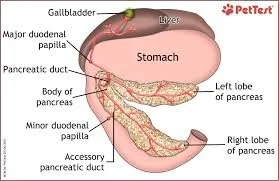
The pancreas is an organ located near the stomach and small intestine. It plays an important role in digestion and metabolism.
The pancreas has two primary functions:
• producing digestive enzymes that help break down food
• releasing hormones such as insulin that regulate blood sugar
When the pancreas becomes inflamed, these digestive enzymes can begin to damage the pancreas itself.
What Is Pancreatitis?
Pancreatitis occurs when digestive enzymes become activated inside the pancreas rather than in the intestines.
This leads to inflammation and irritation of surrounding tissues.
Pancreatitis may occur suddenly (acute pancreatitis) or develop over time (chronic pancreatitis).
Symptoms of Pancreatitis in Dogs

Dogs with pancreatitis may show a variety of symptoms.
Common signs include:
• vomiting
• loss of appetite
• abdominal pain
• lethargy
• diarrhea
• dehydration
Some dogs may also adopt a characteristic posture known as the “prayer position,” where the front legs are lowered while the hindquarters remain elevated.
➡ Related article:
Why Is My Dog Throwing Up?
Causes of Pancreatitis in Dogs
Several factors can contribute to pancreatitis.
High-Fat Foods
One of the most common triggers is the consumption of fatty foods.
Examples include:
• table scraps
• greasy foods
• fatty meats
Dogs that consume large amounts of fatty food may develop pancreatitis shortly afterward.
Dietary Changes
Sudden changes in diet can sometimes trigger digestive upset and pancreatic inflammation.
Gradual food transitions are recommended when switching dog foods.
Obesity
Overweight dogs have an increased risk of pancreatitis due to metabolic stress on the pancreas.
Certain Medications
Some medications may increase the risk of pancreatic inflammation.
Underlying Medical Conditions
Conditions such as diabetes or hormonal disorders may increase the likelihood of pancreatitis.
How Veterinarians Diagnose Pancreatitis
Diagnosing pancreatitis involves a combination of clinical examination and diagnostic testing.
At Bushnell Animal Clinic, evaluation may include:
• physical examination
• blood testing
• pancreatic enzyme testing
• abdominal ultrasound
• radiographs
These tests help confirm the diagnosis and rule out other conditions.
Treatment for Pancreatitis
Treatment depends on the severity of the condition.
Fluid Therapy
Intravenous fluids are often necessary to correct dehydration and maintain circulation.
Anti-Nausea Medication
Medications may be administered to control vomiting and nausea.
Pain Management
Pancreatitis can be very painful, and pain control is an important part of treatment.
Dietary Management
Once vomiting improves, dogs are often placed on a low-fat diet to reduce stress on the pancreas.
Recovery and Prognosis
Many dogs recover well with appropriate treatment. However, severe pancreatitis can lead to complications.
Recovery may take several days to several weeks depending on severity.
Dogs that have experienced pancreatitis may need long-term dietary management to prevent recurrence.
Preventing Pancreatitis
Several steps can help reduce the risk.
• avoid feeding table scraps
• maintain a healthy weight
• feed a balanced diet
• avoid sudden diet changes
Regular veterinary care also helps monitor overall health.
When to Contact Your Veterinarian
Vomiting and abdominal pain should always be taken seriously.
Contact your veterinarian if your dog shows:
• repeated vomiting
• abdominal discomfort
• refusal to eat
• lethargy
• dehydration
Early treatment improves outcomes.
Frequently Asked Questions
Can pancreatitis be fatal in dogs?
In severe cases pancreatitis can become life-threatening. Prompt veterinary treatment greatly improves the chances of recovery.
What foods cause pancreatitis in dogs?
High-fat foods such as table scraps, fatty meats, and greasy foods are common triggers.
Can dogs recover from pancreatitis?
Many dogs recover completely with appropriate treatment and dietary management.
How long does pancreatitis last in dogs?
Mild cases may resolve in several days, while severe cases may require longer treatment and monitoring.
Veterinary Care in Bushnell Florida
If your dog is vomiting or showing signs of abdominal pain, veterinary evaluation can help determine the cause.
Dr. Roger Hart provides medical and diagnostic care for dogs and cats at Bushnell Animal Clinic.
Early diagnosis and treatment can help prevent complications and support recovery.
Internal Links for Your Blog
• Why Is My Dog Throwing Up
• Dog Diarrhea Causes
• Foreign Body Surgery in Dogs
• Dog Not Eating
I
