Why Is My Dog Throwing Up? When to Call the Vet.

Why Is My Dog Throwing Up? Causes, Treatment, and When to Call the Vet
SEO Meta Description
Is your dog throwing up? Learn the most common causes of vomiting in dogs, when it may be serious, and when to contact a veterinarian at Bushnell Animal Clinic.
Why Is My Dog Throwing Up?

Seeing your dog suddenly vomit can be alarming. Vomiting is one of the most common reasons dogs visit the veterinarian, and while it can sometimes be caused by something minor, it can also signal a serious medical problem.
Dogs may vomit for many reasons, including stomach upset, infections, intestinal blockages, or underlying disease. Understanding the potential causes and knowing when veterinary care is needed can help protect your dog’s health.
At Bushnell Animal Clinic, vomiting is a symptom we evaluate frequently. Some cases resolve quickly with supportive care, while others require diagnostic testing or treatment.
What Is Vomiting in Dogs?
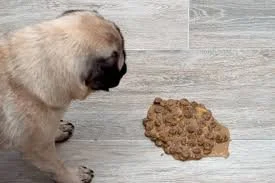
Vomiting is the forceful expulsion of stomach contents. It differs from regurgitation, which occurs when food passively comes back up from the esophagus.
Many dogs show signs of nausea before vomiting, including:
• drooling
• licking their lips
• restlessness
• swallowing repeatedly
• abdominal contractions
Some dogs vomit once and feel better, while others may continue vomiting and become lethargic.
Common Causes of Vomiting in Dogs
There are many potential causes of vomiting. Some are mild and temporary, while others can be life-threatening.
Dietary Indiscretion
Dogs are naturally curious and may eat things they should not. This behavior is often referred to as dietary indiscretion.
Examples include:
• garbage
• spoiled food
• table scraps
• plants
• foreign objects
Dogs may vomit once or twice after eating something unusual but otherwise appear normal.
Eating Too Quickly
Some dogs eat their meals so quickly that the stomach becomes overloaded.
This can lead to vomiting shortly after eating.
Slow-feeder bowls or feeding smaller meals throughout the day can help prevent this problem.
Gastroenteritis
Gastroenteritis refers to inflammation of the stomach and intestines.
This condition may be caused by:
• bacteria
• viruses
• parasites
• sudden dietary changes
Dogs with gastroenteritis often show both vomiting and diarrhea.
➡ Related article:
Dog Diarrhea Causes and Treatment
Pancreatitis
Pancreatitis is inflammation of the pancreas and can cause severe vomiting and abdominal pain.
This condition is often triggered by:
• high-fat foods
• sudden dietary changes
• certain medications
Dogs with pancreatitis may appear lethargic and refuse food.
➡ Related article:
Pancreatitis in Dogs: Symptoms and Treatment
Intestinal Foreign Body
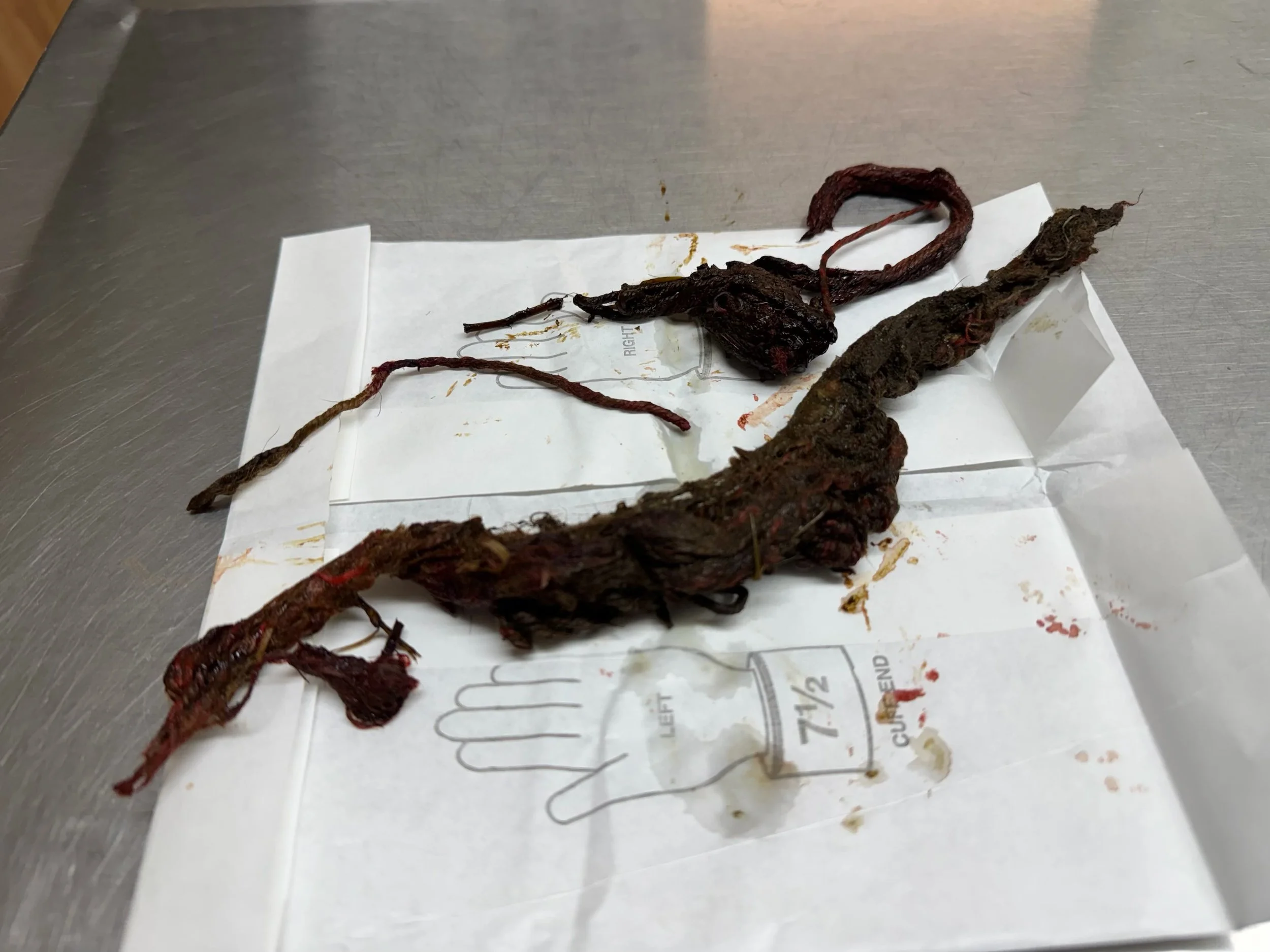
One of the more serious causes of vomiting occurs when dogs swallow objects that become stuck in the digestive tract.
Common foreign objects include:
• toys
• socks
• bones
• corn cobs
When a blockage occurs, vomiting may become persistent and severe. Dogs may stop eating or appear very uncomfortable.
In many cases, surgery is required to remove the obstruction.
➡ Related article:
Foreign Body Surgery in Dogs
Parasites
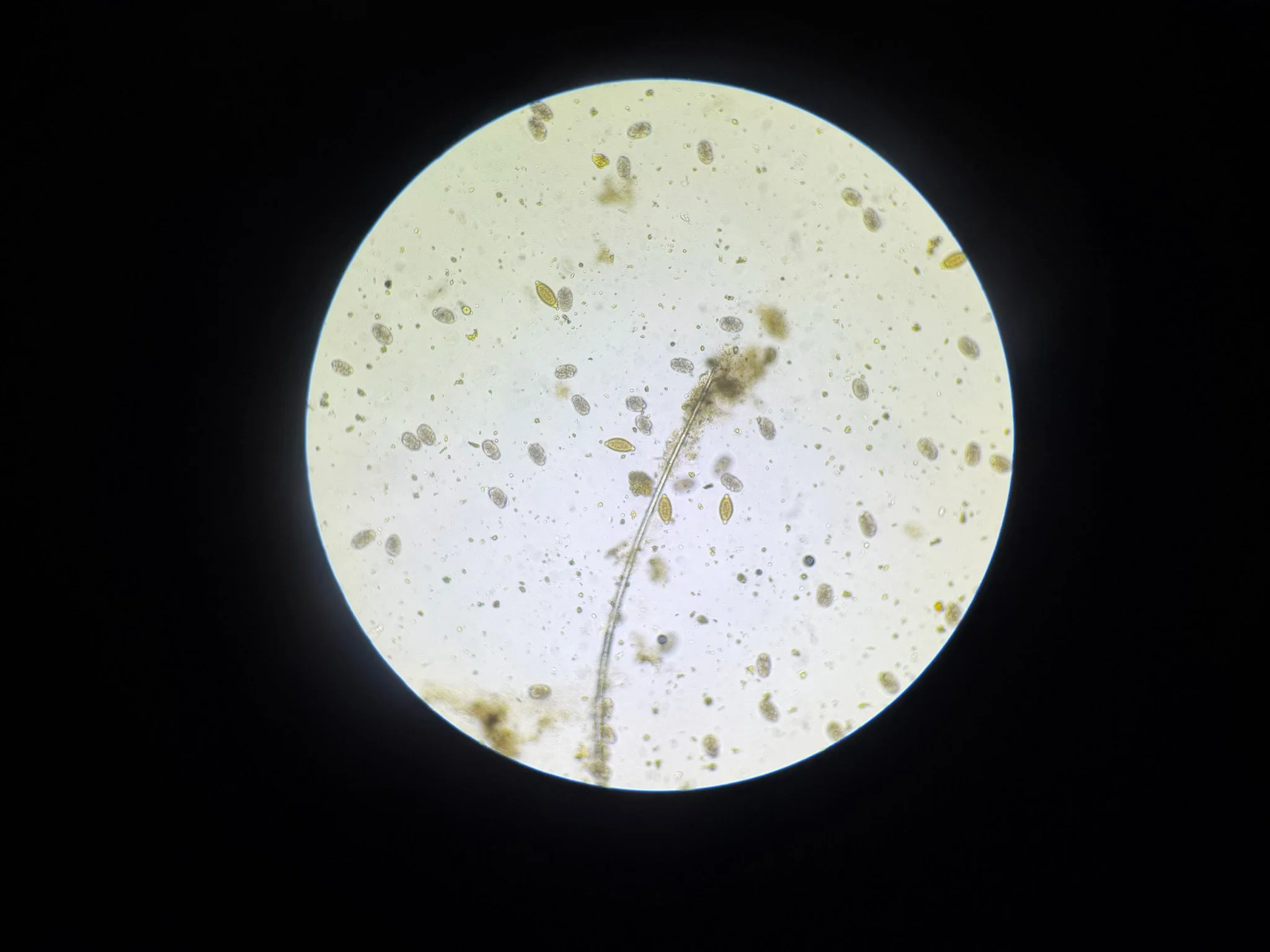
Intestinal parasites can irritate the digestive system and lead to vomiting.
Common parasites include:
• roundworms
• hookworms
• whipworms
Regular parasite prevention and fecal testing help protect dogs from these infections.
Chronic Disease
Sometimes vomiting is caused by underlying medical conditions such as:
• kidney disease
• liver disease
• diabetes
• inflammatory bowel disease
When vomiting becomes chronic or recurrent, diagnostic testing may be necessary.
What Does the Color of Dog Vomit Mean?
Pet owners often notice differences in vomit color.
Yellow Foam
Yellow vomit usually contains bile. This often occurs when a dog vomits on an empty stomach.
Undigested Food
Food that appears shortly after eating may indicate eating too quickly.
Blood
Blood in vomit is more concerning and should be evaluated by a veterinarian.
When Is Vomiting an Emergency?
Occasional vomiting may not always be serious. However, certain signs require immediate veterinary attention.
Seek veterinary care if your dog has:
• repeated vomiting
• vomiting lasting longer than 24 hours
• blood in vomit
• abdominal pain
• weakness or lethargy
• inability to keep water down
• signs of dehydration
Puppies and senior dogs are especially vulnerable and should be evaluated sooner.
How Veterinarians Diagnose Vomiting
Diagnosis begins with a physical examination and medical history.
At Bushnell Animal Clinic, diagnostic evaluation may include:
• physical examination
• blood tests
• radiographs (X-rays)
• ultrasound
• fecal examination
These tests help identify the underlying cause of vomiting.
Treatment Options for Vomiting in Dogs
Treatment depends on the cause of the vomiting.
Possible treatments include:
Anti-Nausea Medications
These medications help control vomiting and improve comfort.
Fluid Therapy
Intravenous fluids may be necessary to correct dehydration.
Dietary Management
Bland diets can help soothe the digestive system.
Surgery
Foreign body obstruction or other surgical problems may require surgery.
Preventing Vomiting in Dogs
While vomiting cannot always be prevented, several steps can reduce risk.
• avoid feeding table scraps
• keep garbage secured
• supervise dogs around toys and small objects
• provide routine parasite prevention
• schedule regular veterinary checkups
Preventive care helps identify health problems early.
Frequently Asked Questions
Why is my dog throwing up yellow foam?
Yellow foam often contains bile and may occur when a dog vomits on an empty stomach.
When should I worry about my dog throwing up?
Vomiting becomes concerning when it occurs repeatedly, lasts more than 24 hours, or is accompanied by lethargy or abdominal pain.
Can dogs vomit from eating too fast?
Yes. Dogs that eat too quickly may vomit shortly after finishing their meal.
What should I do if my dog keeps vomiting?
If vomiting continues or your dog shows other symptoms such as weakness or dehydration, contact your veterinarian for evaluation.
Veterinary Care in Bushnell Florida
If your dog is vomiting or showing signs of illness, veterinary evaluation can help determine the cause and begin appropriate treatment.
Dr. Roger Hart provides compassionate medical care for pets at Bushnell Animal Clinic.
Prompt diagnosis often leads to faster recovery and improved comfort for your pet.
Suggested Internal Links
• Why Is My Dog Limping
• Dog Diarrhea Causes
• Pancreatitis in Dogs
• Foreign Body Surgery in Dogs
• Dog Not Eating
