Osteochondritis Dissecans (OCD) in Dogs: Causes, Symptoms, and Treatment
Osteochondritis Dissecans (OCD) in Dogs: Causes, Symptoms, and Treatment
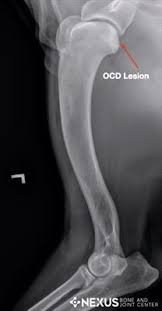
Osteochondritis dissecans (OCD) is a developmental orthopedic condition that affects the joints of young dogs and is a common cause of lameness and pain. This condition occurs when the cartilage within a joint fails to develop normally, leading to thickened cartilage that can separate from the underlying bone. When this happens, a flap of cartilage may form within the joint, causing irritation, inflammation, and discomfort.
OCD most commonly affects large and rapidly growing dogs and is frequently seen in the shoulder, elbow, knee, or hock joints. Early diagnosis and appropriate treatment can significantly improve a dog’s comfort and long-term joint health.
Understanding the causes, symptoms, and treatment options for osteochondritis dissecans can help dog owners recognize the problem early and seek appropriate veterinary care.
What Is Osteochondritis Dissecans?
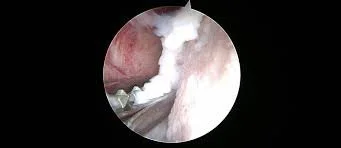
Osteochondritis dissecans is a developmental joint disorder that occurs when cartilage does not properly transform into bone during a dog’s growth. Normally, cartilage gradually hardens into bone as a puppy develops. However, in dogs with OCD, this process fails in certain areas of the joint.
As the cartilage thickens and weakens, it may crack or detach from the underlying bone, forming a loose cartilage flap. This flap can move within the joint space, leading to inflammation and pain.
The affected joint may become swollen, stiff, and painful, especially during exercise or activity.
Joints Commonly Affected by OCD
OCD can affect several joints, but some locations are more commonly involved than others.
Shoulder
The shoulder joint is the most frequently affected site in dogs with osteochondritis dissecans. Dogs with shoulder OCD often develop front-leg lameness that worsens with exercise.
Elbow
OCD can also occur in the elbow joint, where it may be associated with other developmental elbow diseases.
Knee (Stifle)
Although less common, OCD lesions can occur in the knee joint and cause hind-leg lameness.
Hock (Ankle)
The hock joint can occasionally be affected, particularly in rapidly growing large breeds.
Dogs at Higher Risk
OCD occurs most commonly in young, large-breed dogs that are growing quickly.
Breeds commonly affected include:
Labrador Retrievers
Golden Retrievers
German Shepherds
Rottweilers
Great Danes
Bernese Mountain Dogs
The condition typically develops between 4 and 10 months of age, although symptoms may appear later.
Male dogs may be affected slightly more often than females.
Causes of OCD in Dogs
Several factors are believed to contribute to osteochondritis dissecans in dogs.
Rapid Growth
Large breed puppies that grow quickly place increased stress on developing joints.
Genetics
Certain breeds have a genetic predisposition to developmental orthopedic diseases.
Nutrition
Excess calories or inappropriate calcium levels during puppy growth may contribute to abnormal cartilage development.
Trauma
Repeated stress or injury to developing joints can worsen cartilage damage.
In many cases, OCD results from a combination of these factors.
Symptoms of OCD in Dogs
Dogs with osteochondritis dissecans typically develop signs related to joint pain and inflammation.
Common symptoms include:
Limping or lameness
Stiffness after exercise
Reluctance to run or play
Difficulty rising
Joint swelling
Reduced range of motion
In some dogs, symptoms may appear gradually. Others may develop sudden lameness after exercise.
Because these symptoms can also occur with other orthopedic problems, veterinary evaluation is important for accurate diagnosis.
How Veterinarians Diagnose OCD
Diagnosis of osteochondritis dissecans usually involves several steps.
Physical Examination
Your veterinarian will examine the affected limb and evaluate joint movement, swelling, and pain.
Radiographs (X-Rays)
X-rays often reveal characteristic changes in the joint, including cartilage defects or abnormal bone formation.
Advanced Imaging
In some cases, advanced imaging such as CT scans or arthroscopy may be used to evaluate the joint more thoroughly.
These tests help confirm the diagnosis and guide treatment decisions.
Treatment Options for OCD
Treatment for osteochondritis dissecans depends on the severity of the lesion and the affected joint.
Conservative Management
In mild cases, treatment may include:
rest and restricted activity
anti-inflammatory medications
weight management
joint supplements
However, conservative management is often less effective when cartilage flaps are present.
Surgical Treatment
Surgery is commonly recommended for dogs with significant cartilage defects.
The goal of surgery is to remove the damaged cartilage flap and smooth the joint surface. This allows healthy cartilage to develop and reduces joint irritation.
Many dogs experience significant improvement following surgical treatment.
Recovery and Prognosis
Recovery time after OCD surgery varies depending on the joint involved and the severity of the lesion.
Most dogs require:
several weeks of restricted activity
controlled exercise during recovery
follow-up veterinary evaluations
With appropriate treatment, many dogs regain normal or near-normal function.
However, some dogs may develop arthritis later in life, especially if the condition was severe or diagnosed late.
Preventing OCD in Dogs
Although osteochondritis dissecans cannot always be prevented, several steps may help reduce the risk.
Proper Nutrition
Feeding a balanced diet designed for large breed puppies helps regulate growth and joint development.
Controlled Exercise
Avoid excessive running, jumping, or high-impact activity in young puppies.
Weight Management
Maintaining a healthy weight reduces stress on developing joints.
Responsible Breeding
Because genetics play a role, responsible breeding practices can reduce the risk of developmental orthopedic diseases.
When to See a Veterinarian
Any dog that develops persistent limping or joint pain should be examined by a veterinarian.
Early diagnosis of osteochondritis dissecans can help prevent worsening joint damage and improve long-term outcomes.
Signs that warrant veterinary evaluation include:
limping lasting more than 24–48 hours
reluctance to exercise
joint swelling
stiffness after activity
Prompt veterinary care allows appropriate treatment and helps maintain your dog’s mobility and comfort.
Final Thoughts
Osteochondritis dissecans is an important cause of joint pain and limping in young dogs, particularly in large breeds. Because the condition involves abnormal cartilage development within the joint, early recognition and treatment are essential for maintaining joint health.
With proper diagnosis, appropriate treatment, and careful management, many dogs with OCD can return to comfortable and active lives.
If your dog develops unexplained limping or joint pain, a veterinary examination can help determine the cause and guide the best treatment plan.
Here are FAQ questions and internal links you can add to your OCD in Dogs (Osteochondritis Dissecans) blog post. These help with SEO and Google rich results, and they strengthen your dog limping orthopedic cluster.
FAQ Section
Frequently Asked Questions About OCD in Dogs
What is OCD in dogs?
Osteochondritis dissecans (OCD) is a developmental orthopedic condition that occurs when cartilage within a joint fails to properly form into bone. This can cause joint pain, inflammation, and limping in young dogs.
What dogs are most likely to develop OCD?
OCD is most commonly seen in large breed dogs, including Labrador Retrievers, Golden Retrievers, German Shepherds, and Rottweilers. It usually develops during periods of rapid growth.
What are the symptoms of OCD in dogs?
Dogs with osteochondritis dissecans often show signs such as:
• limping
• joint swelling
• stiffness after exercise
• reluctance to run or play
• pain when the joint is manipulated
These symptoms may gradually worsen if the condition is not treated.
Can OCD in dogs heal without surgery?
In mild cases, rest and medical management may help reduce symptoms. However, many dogs with OCD require surgical treatment to remove the damaged cartilage and restore joint function.
What joints are most commonly affected by OCD?
The most commonly affected joints include:
• shoulder
• elbow
• knee (stifle)
• hock (ankle)
Shoulder OCD is the most frequently diagnosed form in dogs.
Is OCD in dogs painful?
Yes. Osteochondritis dissecans can cause significant discomfort because the abnormal cartilage irritates the joint and leads to inflammation.
Can dogs live normal lives after OCD surgery?
Many dogs recover very well after surgery and return to normal activity levels with proper rehabilitation and weight management.
Related Articles Section
Related Dog Health Articles
• Why Is My Dog Limping
• ACL Tear in Dogs
• Arthritis in Dogs
• Hip Dysplasia in Dogs
• Luxating Patella in Dogs
• Broken Leg in Dogs
