Why Is My Dog Itching So Much? What owners can do.

Why Is My Dog Itching So Much?

Few things frustrate dogs and their owners more than constant itching. Some dogs scratch occasionally and then go about their day, while others chew at their paws, rub their face across the carpet, shake their heads, and scratch until their skin becomes red and inflamed.
Itching, also called pruritus, is one of the most common reasons dogs are brought to the veterinarian. Many pet owners assume itching is always caused by fleas, but the truth is that dogs can become itchy for many different reasons. Allergies, skin infections, parasites, ear disease, anal gland irritation, and dry or inflamed skin can all make dogs miserable.
At Bushnell Animal Clinic, Dr. Roger Hart commonly evaluates dogs for itching, scratching, licking, chewing, and skin irritation. Some causes are mild and easy to treat, while others require a more detailed medical workup. The good news is that identifying the reason behind the itching is the first step toward getting your dog comfortable again.
What Does Itching Look Like in Dogs?

Many dogs do not simply scratch with a hind leg. Itching can show up in several ways, and pet owners may miss the early signs if they are only looking for obvious scratching.
Common signs of itching in dogs include:
scratching with the hind legs
licking or chewing the paws
rubbing the face on furniture or carpet
shaking the head
rubbing against walls or furniture
chewing at the rear end or tail base
red or irritated skin
hair loss
scabs or sores
recurrent ear problems
Some dogs itch only in one area, while others seem uncomfortable all over. The pattern of itching often gives clues about the underlying cause.
The Most Common Causes of Itching in Dogs
1. Allergies
Allergies are one of the most common causes of chronic itching in dogs. Dogs can develop allergic reactions to things in the environment, ingredients in food, or fleas.
Environmental allergies may include reactions to:
pollen
grasses
weeds
dust mites
mold
Dogs with environmental allergies often itch around the paws, ears, face, belly, and armpits. Some are seasonal, while others itch year-round.
Food allergies can also cause itching, although they are less common than environmental allergies. Dogs with food allergies may itch around the ears, feet, rear end, and skin folds.
Because allergies weaken the skin barrier, many allergic dogs also develop secondary ear or skin infections.
2. Fleas and Flea Allergy Dermatitis
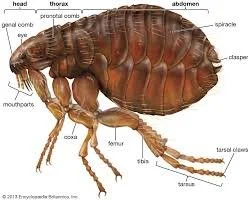
Even a small number of fleas can make a dog extremely itchy. Some dogs are not just irritated by fleas themselves; they are allergic to flea saliva. This condition is called flea allergy dermatitis.
Dogs with flea allergy dermatitis often itch intensely over the:
tail base
lower back
thighs
belly
They may chew until they create raw spots or hair loss. Owners do not always see fleas, especially if the dog is grooming excessively, but flea exposure may still be the trigger.
This is one reason year-round flea prevention is so important in Florida.
3. Skin Infections
Bacterial and yeast infections are common causes of itching and skin discomfort. In many cases, these infections develop secondary to allergies, moisture, or damage to the skin barrier.
Dogs with skin infections may show:
red skin
greasy skin
odor
scabs
pustules
darkened skin
hair loss
frequent licking or chewing
Yeast infections often affect the paws, ears, underarms, groin, and skin folds. Bacterial infections may appear as red bumps, crusting, or patchy hair loss.
When infections are present, simply treating the itch is not enough. The infection itself must also be addressed.
4. Ear Infections
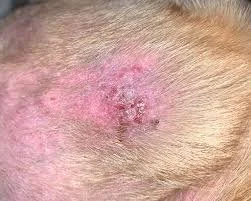
Ear disease is one of the most common hidden causes of itching. Many dogs with ear infections do not scratch their body much at all. Instead, they shake their heads, scratch at the ears, rub the face, and act uncomfortable.
Signs of an ear problem include:
head shaking
scratching at the ears
odor from the ears
redness in the ear canal
dark discharge
pain when the ears are touched
Ear infections are especially common in dogs with underlying allergies. If a dog has recurrent ear infections, there is often a deeper issue contributing to the problem.
Internal link suggestion:
[Why Is My Dog Shaking Its Head?]
[Dog Ear Infection: Signs, Causes, and Treatment]
5. Parasites Other Than Fleas
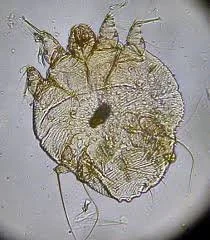
Fleas get most of the attention, but they are not the only parasites that make dogs itch. Mites and other parasites can also cause severe itching, irritation, and hair loss.
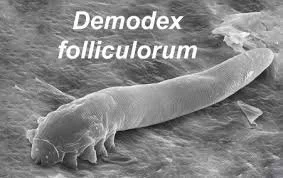
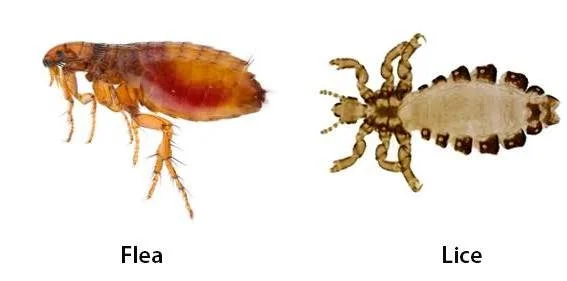
Common parasitic causes include:
sarcoptic mange
demodectic mange
lice
mites
Some parasites are contagious to other pets, and some can even temporarily affect people. These cases often require specific testing and treatment.
6. Hot Spots
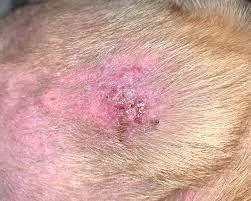
A hot spot is a painful, inflamed, moist patch of skin that develops when a dog licks, scratches, or chews one area excessively. Hot spots can appear quickly and worsen within a day.
They are often triggered by:
allergies
flea bites
ear infections
grooming irritation
trapped moisture
Hot spots are common in warm, humid weather and in dogs with thick coats. They are usually very itchy and uncomfortable.
Internal link suggestion:
[Hot Spots in Dogs]
7. Paw Licking
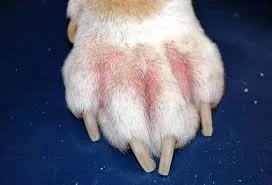
Many itchy dogs focus on their feet. Owners often notice brown staining on the paws, red skin between the toes, or constant licking.
Paw licking may be caused by:
allergies
yeast infections
contact irritation
grass exposure
foreign material in the paw
nail or pad problems
Persistent paw licking is not normal and often points to an underlying medical issue.
Internal link suggestion:
[Why Is My Dog Licking Its Paws?]
8. Anal Gland Irritation
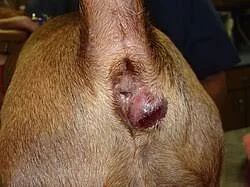
Sometimes dogs that appear “itchy” are actually bothered by irritation near the rear end. Dogs may lick or chew around the tail base or scoot across the floor.
Anal gland problems, parasites, or flea allergy can all contribute to rear-end irritation.
9. Dry Skin and Irritation
Some dogs develop mild itchiness from dry skin, low humidity, frequent bathing, or harsh shampoos. Dry skin alone is usually not the most common cause of severe itching, but it can contribute to discomfort.
If the skin looks flaky, dull, or mildly irritated, bathing practices and coat care may play a role. Still, if the itching is significant, more serious causes should be considered.
Where Your Dog Itches Matters
The location of itching often helps narrow down the cause.
Ears and face
Often linked to:
allergies
ear infections
food sensitivity
Paws
Often linked to:
allergies
yeast infections
contact irritation
Tail base and rear end
Often linked to:
fleas
flea allergy dermatitis
anal gland issues
Belly and armpits
Often linked to:
environmental allergies
skin infections
contact irritation
Whole body
Often linked to:
parasites
widespread allergy
generalized skin infection
Patterns are helpful, but they are not enough by themselves. A veterinary examination is still important to confirm the cause.
When Itching Becomes Serious
Occasional scratching is normal. Dogs, like people, may scratch once in a while without having a medical problem. The concern begins when the itching is frequent, intense, or causing damage to the skin.
You should schedule an examination if your dog has:
persistent scratching
constant licking or chewing
red or inflamed skin
odor from the skin or ears
hair loss
scabs or sores
recurrent ear infections
scooting or chewing around the rear end
interrupted sleep from itching
worsening symptoms over time
The longer itching continues, the more likely secondary infections and skin damage become.
How Dr. Hart Diagnoses Itching in Dogs
At Bushnell Animal Clinic, Dr. Roger Hart begins by looking at the pattern of itching, the condition of the skin, the ears, the paws, and the overall history of the problem.
Diagnosis may include:
physical examination
flea combing
ear cytology
skin cytology
skin scraping
fungal testing when needed
discussion of diet and allergy history
response to parasite control or treatment trials
Many itchy dogs do not have just one issue. For example, a dog may have allergies, a yeast infection in the paws, and an ear infection all at the same time. That is why proper evaluation matters.
Treatment Depends on the Cause
There is no single treatment that works for every itchy dog. Treatment is based on the underlying reason for the itching.
Depending on the diagnosis, treatment may include:
Flea prevention
Consistent flea control is essential, even if fleas are not obvious.
Ear medications
Ear infections require cleaning and targeted medication.
Antibiotics or antifungals
Skin infections may need oral or topical treatment.
Allergy management
This may involve:
allergy medication
diet trial
medicated shampoos
environmental management
Medicated baths or mousses
Helpful for bacterial and yeast overgrowth.
Treatment for parasites
Specific medication is required when mites or other parasites are involved.
The goal is not only to stop the scratching, but to treat the real problem underneath it.
Why Itching Often Comes Back
One of the most frustrating parts of skin disease is recurrence. Many owners think the problem is “fixed,” only for the dog to start itching again weeks later.
This usually happens when the underlying trigger is chronic, especially with:
environmental allergies
food allergies
recurrent ear disease
incomplete flea prevention
chronic yeast overgrowth
In these cases, management is often more realistic than expecting a permanent cure. The good news is that many dogs can be kept very comfortable once the pattern is understood.
Preventing Itching Problems in Dogs
Not every case can be prevented, but some steps reduce the risk of chronic skin problems.
Helpful measures include:
keep dogs on year-round flea prevention
dry the coat well after baths or swimming
treat ear problems early
avoid overbathing with harsh shampoos
schedule veterinary exams for recurrent scratching
monitor paws, ears, and skin for early redness or odor
Early attention often prevents a mild irritation from turning into a much bigger problem.
Itching in Dogs in Florida
In Florida, itching is especially common because of the long warm season, humidity, insects, grasses, and year-round parasite pressure. Dogs in Bushnell and surrounding areas are often exposed to environmental triggers for much of the year.
That means problems like flea allergy dermatitis, skin infections, and chronic allergic skin disease may be more common or more persistent than in cooler climates.
For that reason, recurring itchiness should not simply be brushed off as “just the weather.” Dogs with ongoing symptoms deserve a closer look.
When to See the Veterinarian
If your dog is mildly itchy for a day and then returns to normal, monitoring may be reasonable. But if the itching continues, worsens, or is causing damage to the skin, it is time for an exam.
See your veterinarian if your dog has:
repeated scratching over several days
red, moist, or painful skin
hair loss
ear odor or discharge
constant paw licking
chewing at the rear end
poor response to over-the-counter products
recurring itchiness every season
At Bushnell Animal Clinic, Dr. Roger Hart evaluates dogs with itching, scratching, ear disease, paw licking, and skin infections to help identify the cause and create a treatment plan that fits the dog and the family.
Conclusion
If you have been asking, “Why is my dog itching so much?”, the answer could range from fleas to allergies to infection to ear disease. Itching is one of the most common veterinary complaints because so many different problems can cause it.
The important thing to remember is that persistent itching is not normal. When dogs scratch, chew, lick, and rub over and over, they are uncomfortable. The sooner the reason is identified, the sooner treatment can begin.
Dr. Roger Hart and the team at Bushnell Animal Clinic are committed to helping dogs in Bushnell and surrounding communities find relief from itching and skin irritation through thoughtful diagnosis and compassionate care.
FAQs
Why is my dog itching but has no fleas?
Many itchy dogs do not have visible fleas. Common causes include allergies, ear infections, yeast infections, mites, and skin irritation. Some dogs also react strongly to only a few flea bites.
Why is my dog chewing on its paws?
Paw chewing is often caused by allergies, yeast infections, contact irritation, or foreign material trapped in the paw. Persistent licking is a sign that the paws should be examined.
Can food allergies make dogs itchy?
Yes. Food allergies can cause itching, especially around the ears, feet, face, and rear end. However, environmental allergies are more common than food allergies.
Why does my dog itch more at night?
Some dogs seem itchier at night because the house is quieter and the scratching becomes more noticeable. Ongoing inflammation, allergies, parasites, or skin infections can all contribute.
When should I worry about my dog scratching?
You should be concerned when scratching is frequent, intense, causes hair loss or skin damage, or is paired with ear problems, odor, redness, or constant paw licking.
Do dogs with allergies always have skin problems?
Not always at first, but many allergic dogs eventually develop red skin, recurrent ear infections, paw licking, or secondary skin infections.
Can ear infections cause body itching?
Ear infections mainly cause head shaking, scratching at the ears, and facial rubbing, but dogs with ear infections often also have underlying allergies that affect other parts of the body.
How do veterinarians diagnose itchy skin in dogs?
Diagnosis may include a physical exam, skin and ear cytology, skin scraping, flea evaluation, and discussion of allergy history, diet, and environment.
