Why Is My Dog Scooting? When to See a Vet?
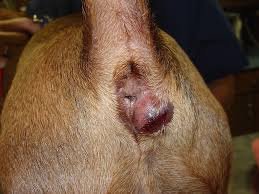
Why Is My Dog Scooting? Understanding Causes and Solutions
Many dog owners have seen their dog suddenly drag their rear across the floor or grass. This behavior, commonly called scooting, often indicates irritation or discomfort around the anus.
While occasional scooting may not be serious, frequent scooting can signal an underlying medical problem that should be evaluated by a veterinarian.
At Bushnell Animal Clinic, scooting is a common concern that pet owners bring to the clinic. Understanding the potential causes can help owners recognize when their dog may need veterinary care.
What Does Scooting Mean?
Scooting occurs when a dog drags its rear end across the ground in an attempt to relieve irritation or discomfort.
Dogs may scoot for several reasons, most commonly related to anal gland problems, parasites, or skin irritation.
Other symptoms may occur at the same time, including:
• excessive licking under the tail
• redness around the anus
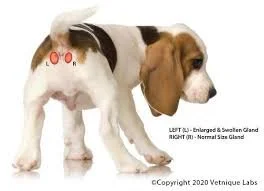
• swelling near the anal glands
• foul odor
• difficulty sitting comfortably
The Most Common Cause: Anal Gland Problems
The most frequent reason dogs scoot is irritation involving the anal glands.
Dogs have two small glands located on each side of the anus. These glands produce a strong-smelling fluid that is normally released during bowel movements.
However, the glands can sometimes become blocked or impacted.
Anal Gland Impaction
When anal glands do not empty properly, fluid builds up inside the glands. This can cause discomfort and irritation.
Dogs with impacted glands often show symptoms such as:
• scooting
• licking the rear end
• a strong odor
• swelling near the anus
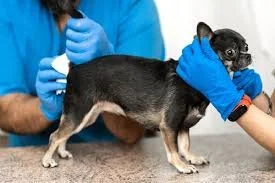
Veterinarians can manually express the glands to relieve pressure and discomfort.
Anal Gland Infection
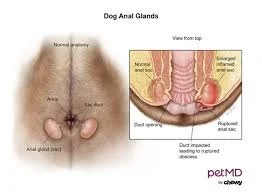
If impacted glands are not treated, bacteria may grow inside the glands and cause infection.
Signs of infection may include:
• pain
• swelling
• redness
• foul-smelling discharge
Infected glands may require antibiotics or medical treatment.
Anal Gland Abscess
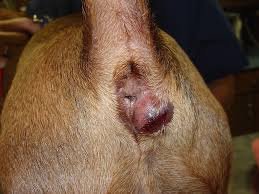
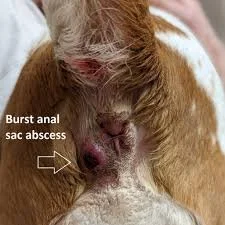
In severe cases the gland may rupture and form an anal gland abscess.
This condition can cause:
• severe swelling
• pain when sitting
• bleeding or draining wounds
Anal gland abscesses require veterinary treatment and sometimes surgical drainage.
Intestinal Parasites
Another possible cause of scooting is intestinal parasites.
Parasites such as tapeworms can cause irritation around the anus.
Owners may notice small white segments resembling grains of rice near the dog’s tail or in the stool.
Routine parasite prevention and fecal testing can help prevent these infections.
Allergies
Dogs with allergies may develop skin irritation around the rear end.
Allergies may be triggered by:
• food ingredients
• environmental allergens
• fleas
Dogs with allergies often show additional symptoms such as:
• itching
• ear infections
• skin inflammation
Skin Infections
Bacterial or yeast infections around the skin near the tail can also cause irritation and scooting.
These infections may develop when moisture and bacteria accumulate in the skin.
Veterinary treatment may involve medicated shampoos or topical medications.
Grooming Problems
Dogs with long hair around the tail may sometimes develop irritation if fecal material becomes trapped in the fur.
Regular grooming helps prevent this problem.
When Should You See a Veterinarian?
Occasional scooting may occur if minor irritation is present, but persistent scooting should be evaluated by a veterinarian.
Contact your veterinarian if your dog:
• scoots frequently
• shows swelling near the anus
• has bleeding or discharge
• appears painful when sitting
• has a strong odor
Early treatment helps prevent infections and more serious complications.
How Veterinarians Diagnose Scooting
Diagnosis usually begins with a physical examination.
At Bushnell Animal Clinic, evaluation may include:
• examination of the anal glands
• fecal testing for parasites
• skin examination
• evaluation for allergies
These steps help determine the cause of irritation.
Treatment for Scooting
Treatment depends on the underlying cause.
Possible treatments include:
Anal Gland Expression
Manual expression removes excess fluid from the glands and relieves discomfort.
Medications
Antibiotics or anti-inflammatory medications may be used if infection is present.
Parasite Treatment
Deworming medications treat intestinal parasites.
Allergy Management
Diet changes or medications may be needed to control allergies.
Preventing Anal Gland Problems
Some steps may reduce the risk of anal gland issues.
• maintain a healthy weight
• provide a balanced diet
• ensure regular exercise
• schedule routine veterinary checkups
Regular monitoring helps detect problems early.
Frequently Asked Questions
Why does my dog drag their butt on the floor?
The most common cause is irritation from anal gland problems, although parasites or skin irritation may also be responsible.
Are scooting dogs always experiencing anal gland problems?
Not always. While anal glands are the most common cause, parasites, allergies, or infections may also lead to scooting.
Can anal gland problems go away on their own?
Some mild cases may resolve, but persistent scooting should be evaluated by a veterinarian.
How often should a dog's anal glands be expressed?
Many dogs empty their glands naturally, but some dogs require periodic veterinary expression.
Veterinary Care in Bushnell Florida
If your dog is scooting frequently or showing signs of irritation, veterinary evaluation can help identify the cause.
Dr. Roger Hart provides compassionate veterinary care for dogs and cats at Bushnell Animal Clinic.
Prompt treatment helps relieve discomfort and prevent more serious infections.
Suggested Internal Links
• Why Is My Dog Not Eating
• Why Is My Dog Throwing Up
• Dog Vomiting and Diarrhea
• Intestinal Foreign Body in Dogs
• Dog Lump Under Skin
I
