Intestinal Foreign Body in Dogs, When To See The Vet.
Intestinal Foreign Body in Dogs
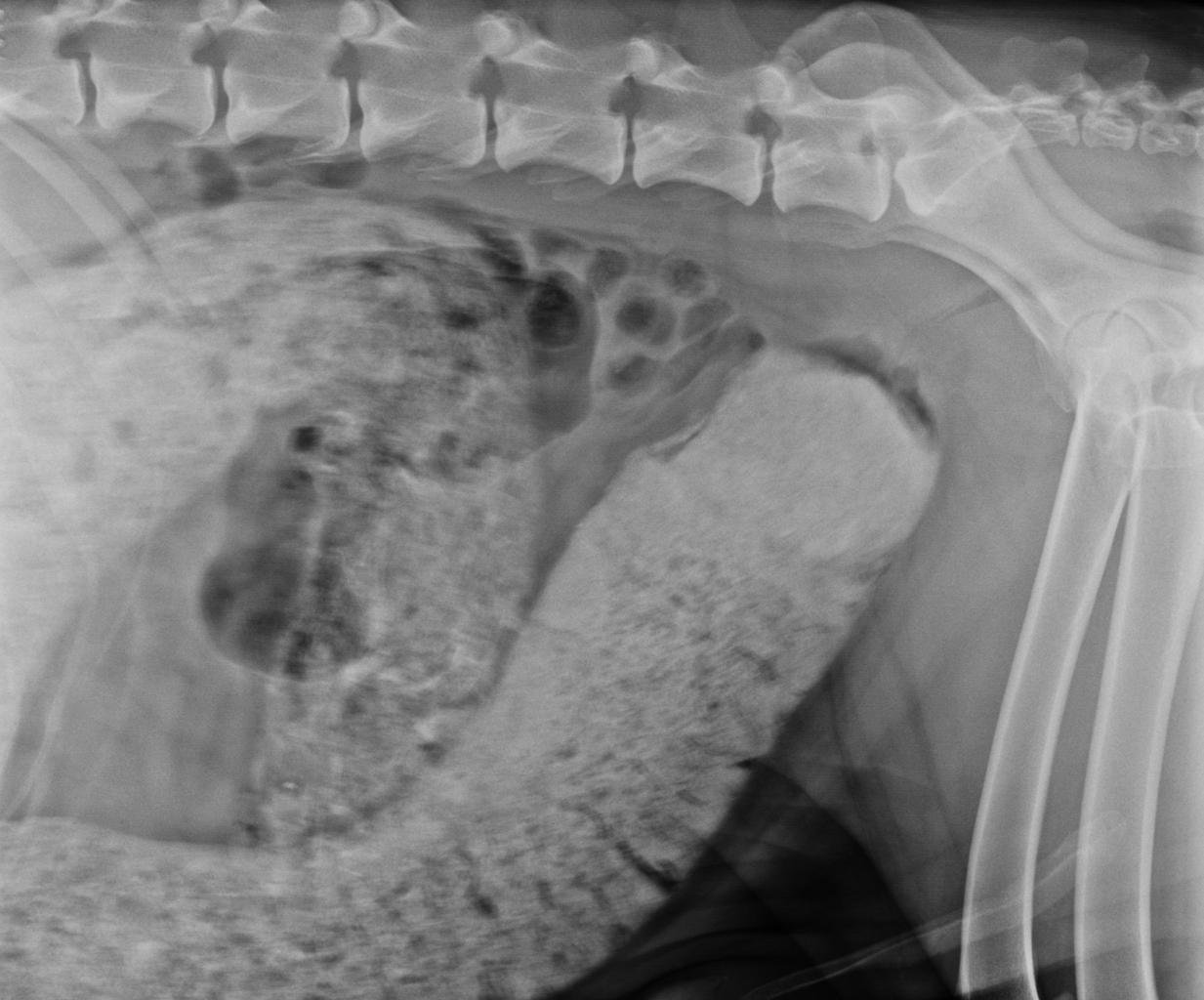
Dogs explore the world with their mouths, and sometimes they swallow objects that can become stuck in the stomach or intestines. These objects are called foreign bodies, and they are a common reason dogs require emergency veterinary care.
An intestinal obstruction occurs when an object blocks the normal movement of food and fluids through the digestive tract. Without treatment, this condition can become life-threatening.
At Bushnell Animal Clinic, intestinal foreign bodies are one of the more common surgical problems we treat in dogs.
Recognizing the symptoms early can help ensure prompt treatment and improve outcomes.
What Is an Intestinal Foreign Body?
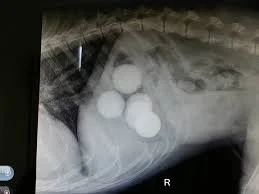
A foreign body is any object that enters the digestive tract but cannot be digested.
These objects may become stuck in the stomach or intestines, preventing food and fluids from moving normally through the digestive system.
Blockages may be partial or complete.
A complete obstruction is a medical emergency.
Common Objects Dogs Swallow
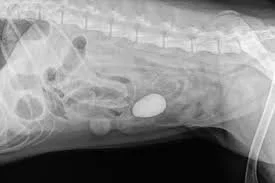
Dogs can swallow many different objects.
Some of the most common include:
• socks
• toys
• bones
• corn cobs
• rocks
• cloth or fabric
• plastic items
Young dogs and puppies are especially likely to swallow foreign objects.
Symptoms of an Intestinal Blockage

Dogs with an intestinal obstruction may develop symptoms such as:
• vomiting
• loss of appetite
• lethargy
• abdominal pain
• diarrhea
• dehydration
Some dogs may also show repeated attempts to vomit without producing anything.
➡ Related article
Why Is My Dog Throwing Up?
Why Foreign Bodies Are Dangerous
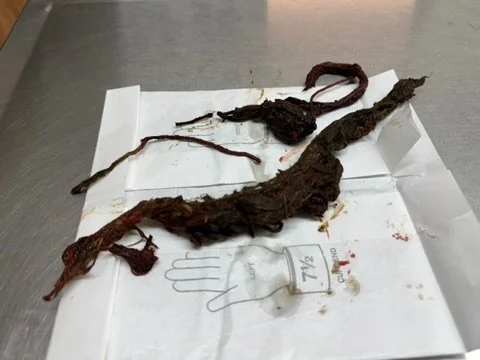
When an object blocks the intestines, food and fluids cannot pass normally through the digestive system.
This can lead to:
• severe dehydration
• electrolyte imbalances
• intestinal damage
• rupture of the intestine
If the intestine ruptures, infection can spread throughout the abdomen and become life-threatening.
Early diagnosis is critical.
Linear Foreign Bodies
Certain objects such as string, rope, or fabric can create a special type of obstruction called a linear foreign body.
These objects may become anchored in the stomach while the rest of the intestine attempts to move normally.
This can cause the intestines to bunch together and become severely damaged.
How Veterinarians Diagnose Foreign Bodies
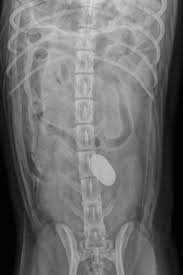
Diagnosis begins with a physical examination and medical history.
At Bushnell Animal Clinic, diagnostic testing may include:
• abdominal radiographs (X-rays)
• ultrasound
• blood tests
Radiographs often help identify the presence and location of the obstruction.
Treatment for Intestinal Foreign Bodies
Treatment depends on the location and severity of the obstruction.
Endoscopy
In some cases objects located in the stomach may be removed using an endoscope.
This technique uses a flexible camera and special instruments inserted through the mouth.
Surgery
Many intestinal foreign bodies require surgical removal.
During surgery, the veterinarian opens the stomach or intestines to remove the object.
If the intestine has been damaged, a section of intestine may need to be removed.
Recovery After Surgery
Dogs recovering from foreign body surgery typically require:
• hospitalization
• intravenous fluids
• pain management
• gradual return to eating
Most dogs recover well when treatment is provided early.
Preventing Foreign Body Obstruction
While not all cases can be prevented, several steps can reduce the risk.
• supervise dogs around toys
• avoid giving bones that may splinter
• keep socks and clothing out of reach
• discard corn cobs and food waste securely
Puppies and young dogs should be monitored closely because they are more likely to chew and swallow objects.
When to Contact Your Veterinarian
Foreign body obstruction is a medical emergency.
Contact your veterinarian if your dog:
• vomits repeatedly
• refuses to eat
• appears lethargic
• has abdominal pain
• cannot keep food down
Early treatment significantly improves outcomes.
Frequently Asked Questions
How do I know if my dog swallowed something?
Signs may include vomiting, loss of appetite, lethargy, or abdominal pain.
Can dogs pass foreign objects on their own?
Small objects may pass naturally, but larger objects often become stuck and require veterinary treatment.
Is intestinal blockage fatal in dogs?
Without treatment, intestinal blockage can become life-threatening. Prompt veterinary care greatly improves survival.
How long does recovery take after surgery?
Most dogs recover within 10–14 days, although full recovery depends on the severity of the obstruction.
Veterinary Care in Bushnell Florida
If your dog may have swallowed a foreign object or is showing symptoms of vomiting or appetite loss, veterinary evaluation is important.
Dr. Roger Hart provides diagnostic and surgical care for dogs at Bushnell Animal Clinic.
Prompt diagnosis and treatment can help prevent serious complications.
Internal Links to Add
Link to these related articles:
• Why Is My Dog Throwing Up
• Why Is My Dog Not Eating
• Pancreatitis in Dogs
• Dog Diarrhea Causes
• Veterinary Emegency Care
