Search Pet Health Library

When Should a Pregnant Dog Have an X-Ray?
Timing matters when taking X-rays on a pregnant dog. Learn when fetal bones begin to ossify and how radiographs help support pregnancy planning.
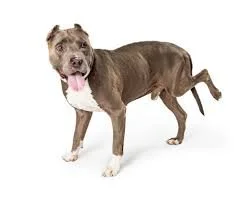
Why is My Dog Limping, When to Call a Veterinarian
Dog limping can have many causes, from minor injury to more serious orthopedic problems. Learn when limping should be evaluated by a veterinarian.
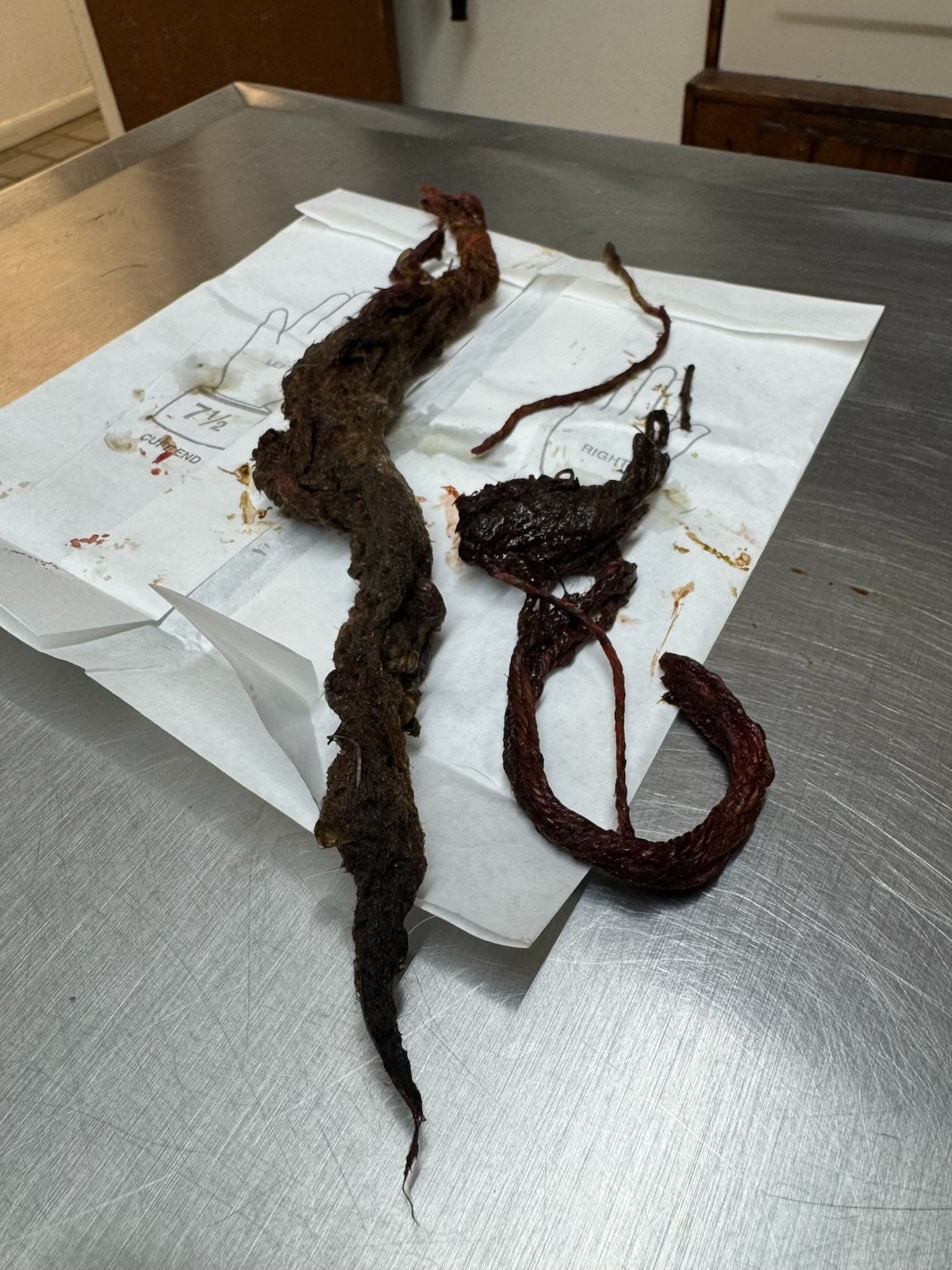
When Does Vomiting in Dogs Become an Emergency?
Vomiting in dogs is not always an emergency, but some signs should never be ignored. Learn when your dog needs urgent veterinary attention.
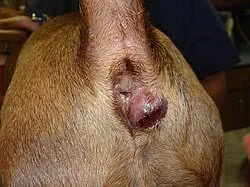
Anal Gland Abscess in Dogs: Signs, Causes, and Treatment
Anal gland abscesses are a painful and common problem in dogs. They usually begin when an anal gland becomes blocked, irritated, and infected. Dogs with an anal gland abscess may scoot, lick under the tail, strain, or suddenly develop swelling and drainage near the anus. Dr. Roger Hart at Bushnell Animal Clinic explains the signs of anal gland abscesses in dogs, what causes them, and how they are treated.
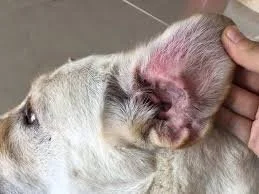
Why Is My Dog Shaking Its Head?
Head shaking in dogs is often a sign of ear discomfort or irritation. Some dogs shake their heads because of ear infections, allergies, trapped debris, ear mites, or inflammation inside the ear canal. While occasional head shaking may not be serious, repeated or forceful shaking usually means something is bothering your dog. Dr. Roger Hart at Bushnell Animal Clinic explains the common causes of head shaking in dogs, what pet owners should look for, and when veterinary care is needed.
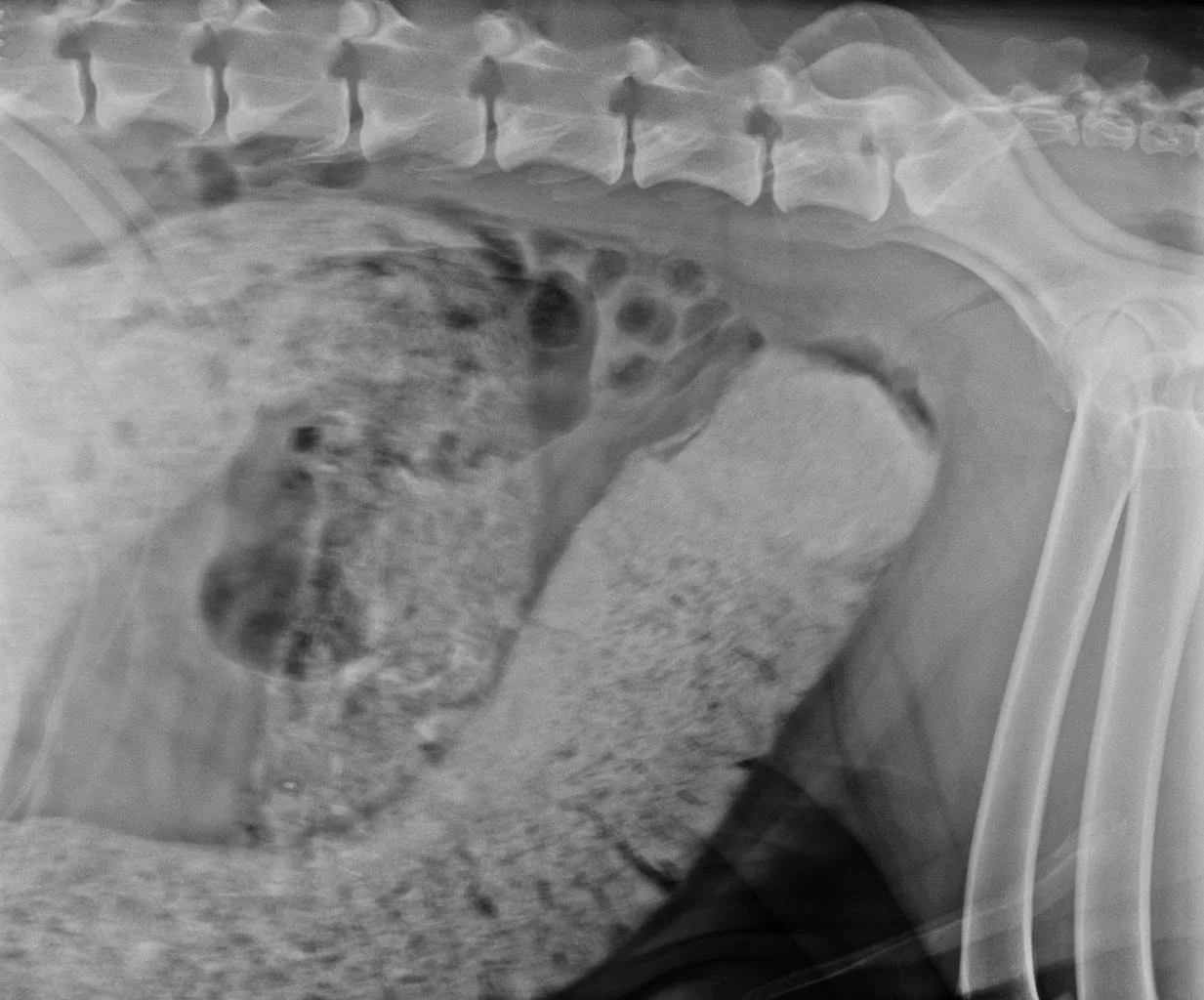
Why Is My Dog Not Eating?
Loss of appetite in dogs can be concerning for pet owners. While some dogs may skip a meal occasionally, a sudden refusal to eat may indicate an underlying health problem. Dogs can stop eating for many reasons including stomach upset, infections, dental pain, intestinal blockage, or chronic disease.
Some dogs may also experience appetite loss due to stress, environmental changes, or dietary issues. If your dog refuses food for more than 24 hours or develops additional symptoms such as vomiting, diarrhea, lethargy, or abdominal pain, veterinary evaluation is recommended.
At Bushnell Animal Clinic, appetite loss is one of the most common concerns we evaluate in dogs. Early diagnosis helps identify the cause and allows appropriate treatment to begin quickly.
Understanding the potential causes of appetite loss can help dog owners recognize when their pet may need medical attention.
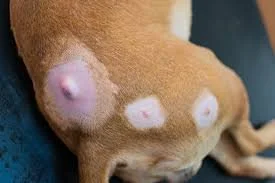
Canine Lipoma: Understanding Fatty Tumors in Dogs
Learn about canine lipomas (fatty tumors in dogs), including causes, symptoms, diagnosis, and treatment options from Dr. Roger Hart at Bushnell Animal Clinic.