When Does Vomiting in Dogs Become an Emergency?

When Does Vomiting in Dogs Become an Emergency?
Vomiting is one of the most common reasons pet owners become concerned about their dog’s health. Sometimes it happens once and resolves quickly. Other times it signals a more serious problem that needs veterinary attention right away. One of the hardest parts for dog owners is knowing the difference between a mild upset stomach and a true emergency.
At Bushnell Animal Clinic, Dr. Roger Hart sees many dogs for vomiting, and the cause can range from minor dietary indiscretion to serious illness that requires prompt treatment. The key is not simply whether a dog vomits, but how often it is happening, what other symptoms are present, and how the dog is acting overall.
A single vomiting episode in an otherwise bright, alert dog may not always mean an emergency. But repeated vomiting, vomiting with lethargy, vomiting with pain, or vomiting paired with weakness, diarrhea, or bloating can be a very different situation. Understanding those warning signs can help owners know when to wait, when to call, and when immediate evaluation is the safest choice.
If your dog is showing concerning symptoms, our urgent / emergency care and sick pet visitspages can help you understand the next steps in care.
Why dogs vomit
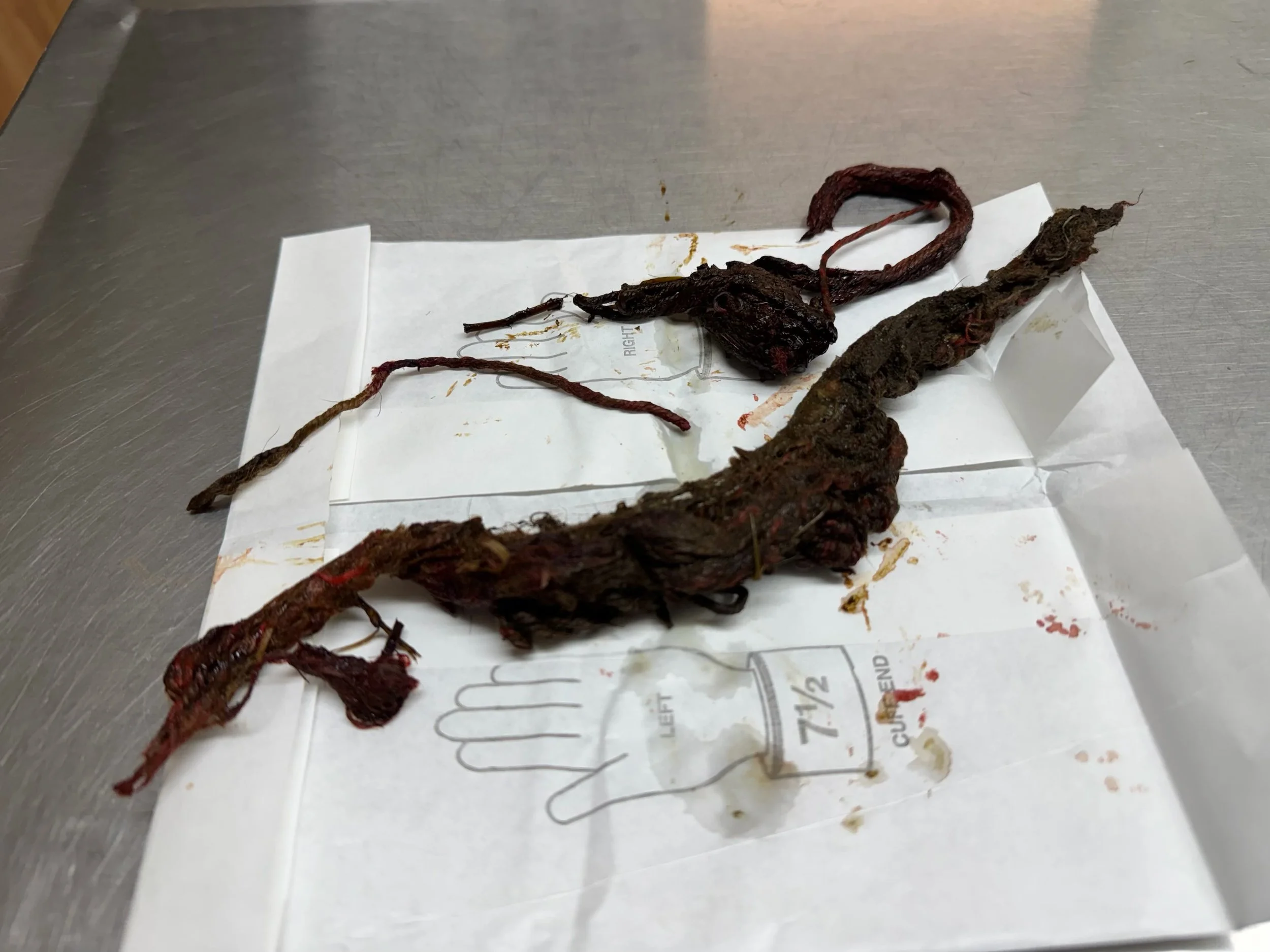
Dogs vomit for many different reasons. Some causes are mild and short-lived, while others can become serious quickly.
Common causes of vomiting may include:
eating something that upset the stomach
sudden diet changes
spoiled food or garbage ingestion
eating too fast
intestinal irritation
parasites
pancreatitis
infections
toxin exposure
foreign body obstruction
organ disease
severe inflammation in the stomach or intestines
Because vomiting can have so many causes, owners should avoid assuming it is “just something minor,” especially if the dog is not acting normally otherwise.
When vomiting may not be an emergency
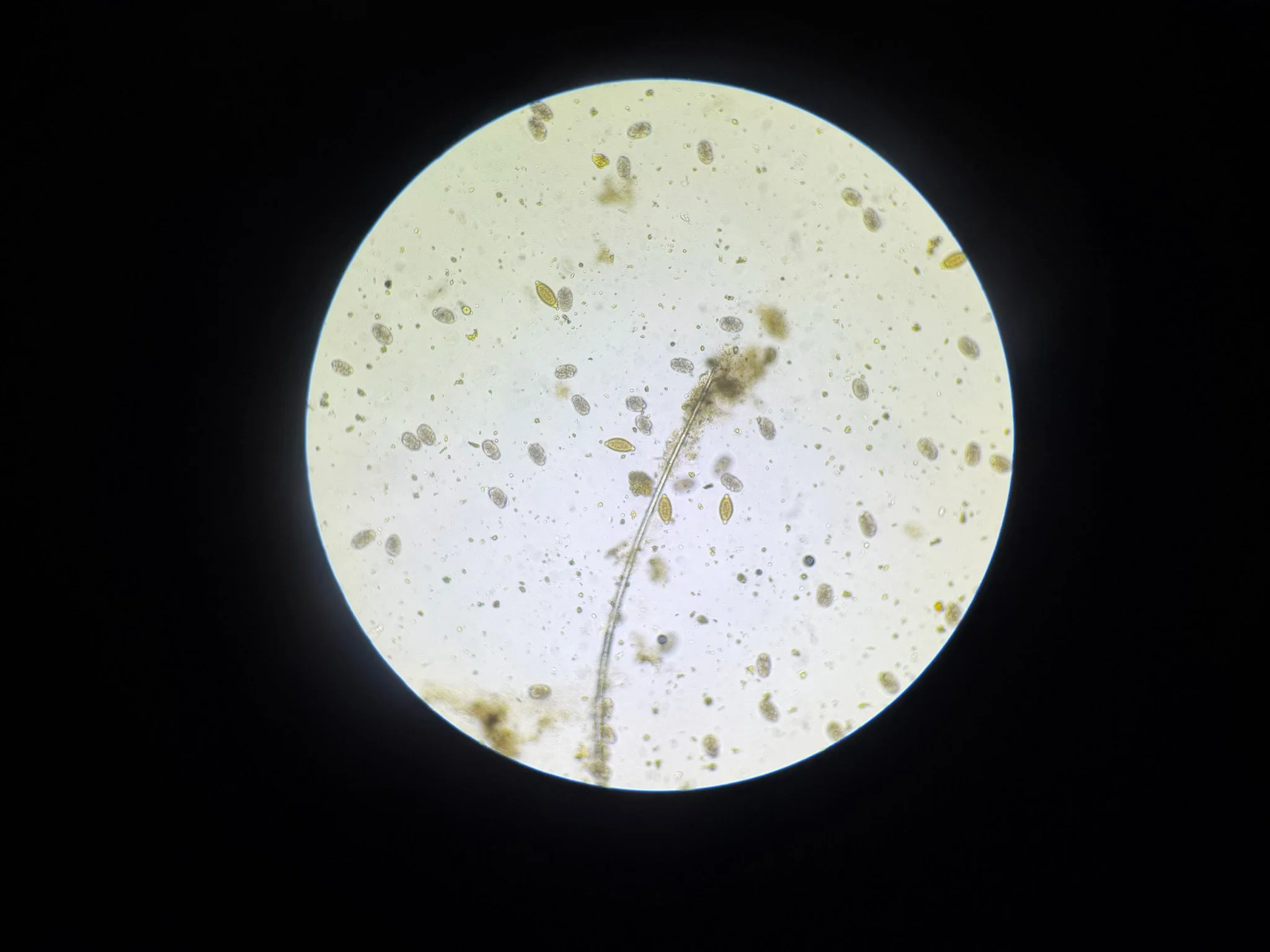
Not every episode of vomiting means a dog needs immediate emergency care. In some cases, a dog may vomit once and then return to normal behavior. If the dog is:
bright
alert
drinking
comfortable
interested in food
not having repeated vomiting
not showing other symptoms
then it may not represent a true emergency.
Even so, it is still important to watch closely. Sometimes dogs appear better briefly and then worsen later. Any change in energy, appetite, frequency of vomiting, or general comfort should be taken seriously.
A mild case can become less mild if vomiting continues, dehydration develops, or another symptom appears.
Warning signs that vomiting may be more serious
Vomiting should be treated more seriously when it is not happening alone. The biggest red flags are usually not just the vomiting itself, but the other signs that come with it.
You should be more concerned if your dog is:
vomiting repeatedly
unable to keep water down
becoming lethargic
acting weak
refusing food
having diarrhea at the same time
showing abdominal pain
bloated or distended
drooling excessively
shaking
straining
seeming uncomfortable or restless
collapsing
having pale gums
vomiting blood or dark material
These signs suggest that something more significant may be happening and that your dog may need urgent evaluation.
Repeated vomiting is a major concern
One of the biggest warning signs is vomiting more than once or twice in a short period of time. Repeated vomiting can lead to dehydration, electrolyte imbalance, weakness, and worsening illness. It also raises concern for more serious underlying causes such as pancreatitis, obstruction, toxin exposure, or systemic disease.
A dog who vomits repeatedly should not simply be watched indefinitely at home. Even if the dog seems a little brighter between episodes, repeated vomiting can still signal a problem that is progressing.
If your dog cannot keep water down or continues vomiting over several hours, a sick pet visitor urgent / emergency careevaluation may be needed.
Vomiting with lethargy or weakness
A dog who vomits once but is otherwise bright is very different from a dog who vomits and then becomes quiet, weak, withdrawn, or unable to get comfortable.
Lethargy matters because it suggests the vomiting is affecting the whole dog, not just the stomach. A weak or tired dog may be dehydrated, in pain, or dealing with something much more serious than a simple stomach upset.
Owners should pay close attention to changes like:
sleeping more than usual
reluctance to move
not greeting normally
seeming depressed
weakness when standing
lack of interest in food or family interaction
Vomiting plus lethargy is one of the clearest signs that your dog should be evaluated.
Vomiting with abdominal pain or bloating
Vomiting accompanied by abdominal pain is always more concerning. Dogs may show belly pain by:
standing hunched
resisting touch around the abdomen
crying out
pacing
stretching repeatedly
acting restless
refusing to lie down comfortably
Bloating or a swollen abdomen is another major concern. A distended belly, especially with repeated retching or unproductive vomiting attempts, can point to a life-threatening emergency.
If your dog is vomiting and has a swollen abdomen, obvious discomfort, or repeated retching, seek veterinary care immediately. This is not something to wait on.
Vomiting and diarrhea together
Vomiting and diarrhea happening together can sometimes be caused by simple gastrointestinal upset, but it can also lead to dehydration much faster than vomiting alone. When both are present, it is especially important to monitor:
energy level
hydration
ability to keep water down
stool appearance
gum moisture
willingness to eat or drink
Dogs with both vomiting and diarrhea can deteriorate quickly, especially puppies, senior dogs, and dogs with underlying medical issues. If these symptoms are frequent, severe, or paired with weakness, prompt medical evaluation is important.
Vomiting in puppies
Vomiting in puppies should always be taken more seriously than vomiting in a healthy adult dog. Puppies have smaller reserves, are more likely to become dehydrated quickly, and can worsen faster when ill.
Vomiting in a puppy may be caused by:
parasites
dietary upset
viral illness
foreign body ingestion
toxin exposure
congenital issues
severe stomach irritation
Puppies are also more likely to chew and swallow things they should not. If a puppy is vomiting repeatedly, seems tired, refuses food, has diarrhea, or is not acting normal, do not wait too long to seek care.
Regular wellness exams and appropriate vaccinationsare important in puppies, but once vomiting is happening, prompt evaluation may be more urgent than routine care.
Vomiting in senior dogs
Vomiting in older dogs can sometimes reflect problems beyond the stomach itself. Senior dogs are more likely to have underlying disease that may contribute to vomiting, such as organ dysfunction, endocrine disease, chronic inflammation, or other medical concerns.
That does not mean every vomiting episode in a senior dog is an emergency. But it does mean owners should take vomiting seriously, especially when it is new, repeated, or paired with:
appetite change
weakness
weight loss
increased thirst
change in urination
confusion
decline in energy
Senior dogs often benefit from closer monitoring and earlier evaluation. In older pets, vomiting can be part of a bigger medical picture. Our senior pet care page is also helpful for dogs who are beginning to show more age-related changes overall.
When dogs vomit after eating something they should not
Many dogs are famous for eating things they should not. Trash, table scraps, toys, bones, socks, plants, and random outdoor objects can all become problems.
If your dog vomits after eating something inappropriate, the situation may be more serious than simple indigestion. Dogs who ingest foreign objects can develop an obstruction, while dogs who ingest toxins may become seriously ill.
You should be especially concerned if:
you know or strongly suspect your dog ate a foreign object
your dog got into medication
your dog ate something toxic
vomiting continues
your dog cannot keep anything down
your dog seems painful or weak
In these cases, it is better to call right away than to wait for the problem to declare itself more dramatically.
What owners should watch at home
If your dog vomits, there are several important things to watch closely:
how many times it happens
whether the dog can keep water down
whether the dog still wants to eat
energy level
diarrhea
abdominal swelling
signs of pain
gum color
weakness or collapse
It can also help to note what the vomit looks like and when it started. That information may help guide the veterinary evaluation.
What matters most is the whole picture. A single vomiting episode in an otherwise normal dog is different from repeated vomiting in a weak, painful, or dehydrated dog.
When to call your veterinarian right away
Call your veterinarian promptly if your dog:
vomits repeatedly
cannot keep water down
seems lethargic
refuses food
has diarrhea and vomiting together
shows signs of pain
has a swollen abdomen
vomits blood
may have eaten a toxin or foreign object
is a puppy or senior dog not acting normally
seems to be getting worse instead of better
If your dog appears distressed, weak, painful, or rapidly declining, urgent care is the safest choice.
How we approach vomiting cases
At Bushnell Animal Clinic, Dr. Roger Hart looks at the full picture when evaluating a vomiting dog. That includes the history, the dog’s energy level, physical exam findings, hydration, abdominal comfort, and any other symptoms happening at the same time.
Depending on the situation, next steps may include:
physical examination
supportive care
monitoring
diagnostic testing
treatment recommendations based on the likely cause
Because vomiting can reflect many different conditions, the best plan depends on what else is happening with the dog.
Why timing matters
One of the biggest mistakes owners make is waiting too long once symptoms clearly stop being mild. Many cases of vomiting are much easier to manage when care happens early, before dehydration, worsening weakness, or more severe complications develop.
You do not need to panic over every vomiting episode. But you also do not want to ignore signs that your dog is becoming progressively ill.
A good rule is this:
If vomiting is repeated, paired with other symptoms, or affecting how your dog feels and functions, it is time to call.
Final thoughts
Vomiting in dogs is common, but not all vomiting is the same. Some episodes are mild and self-limited. Others are signs of a problem that needs urgent veterinary attention. The difference often comes down to frequency, severity, and what other symptoms are present.
Repeated vomiting, lethargy, weakness, abdominal pain, bloating, diarrhea, inability to keep water down, and toxin or foreign object concerns should never be ignored. Puppies and senior dogs also deserve closer attention because they can become seriously ill more quickly.
At Bushnell Animal Clinic, Dr. Roger Hart provides thoughtful care for dogs with stomach upset, illness, and urgent symptoms. If your dog is vomiting and you are worried about what it means, our sick pet visits,urgent / emergency care, and diagnostic imagingpages can help you understand the next steps in care.
The most important thing for dog owners to remember is simple: vomiting becomes an emergency when it is repeated, severe, paired with other concerning signs, or making your dog feel genuinely unwell.
