Perianal Fistulae in Dogs: Symptoms, Causes, and Treatment
Perianal Fistulae in Dogs: Symptoms, Causes, Treatment, and What Owners Should Expect

Perianal fistulae are one of the most painful and frustrating chronic conditions seen in dogs. If your dog has begun licking excessively under the tail, struggling to defecate, or showing signs of discomfort when sitting, you may be seeing the early stages of this disease. While the condition can be long‑term, modern veterinary medicine offers effective ways to manage it and dramatically improve quality of life.
This guide explains what perianal fistulae are, why they happen, how veterinarians diagnose them, and what treatment options are available today.
What Are Perianal Fistulae?
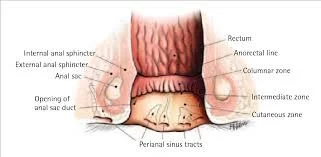
Perianal fistulae are ulcerated, inflamed tracts that develop in the skin surrounding the anus. These tracts can ooze blood or pus, become infected, and cause severe pain. The condition is chronic and tends to worsen without treatment.
Common symptoms include:
Persistent licking under the tail
Foul odor
Scooting or difficulty sitting
Pain when lifting the tail
Straining to defecate
Mucous or soft stool
Crying or snapping when the area is touched
Because the disease is progressive, early recognition makes a significant difference in treatment success.
Why Do Dogs Develop Perianal Fistulae?
The exact cause is not fully understood, but research strongly supports an immune‑mediated origin. In other words, the dog’s immune system mistakenly attacks the tissues around the anus, causing inflammation and ulceration.
Several factors increase risk:
Breed Predisposition
German Shepherds account for up to 85% of cases. Their tail structure, dense undercoat, and genetics may all contribute.
Immune Dysfunction
Many affected dogs also have inflammatory bowel disease (IBD) or chronic colitis, suggesting a systemic immune imbalance.
Anatomy
Dogs with deep-set tails or tight anal conformation may trap moisture and bacteria, worsening inflammation.
Gender and Age
Most dogs develop the condition around five years old, and males are affected more often than females.
Conditions That Look Similar
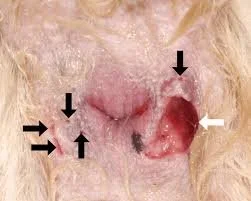
Because several diseases can mimic perianal fistulae, proper diagnosis is essential. Your veterinarian may rule out:
Anal sac abscess
Perianal tumors
Mucocutaneous lupus
Hyperplastic anal tissue
Squamous cell carcinoma
A thorough physical exam, sometimes combined with sedation, is often needed to fully evaluate the area.
How Veterinarians Diagnose the Condition
Diagnosis is usually based on:
Visual examination of the perianal region
Assessment of pain, odor, and drainage
Evaluation for concurrent colitis
Possible biopsy if cancer is suspected
Most cases do not require advanced imaging unless surgery is being considered.
Treatment Options: What Actually Works
Modern treatment focuses on immune suppression, not surgery. This is a major shift from older approaches.
Cyclosporine
Cyclosporine is the gold standard for treatment. It reduces immune overactivity and allows the tissue to heal.
Improvement often begins within 2–4 weeks
Full remission may take 2–5 months
Some dogs require long‑term maintenance
Cost can be high, but combining with ketoconazole may reduce dosage needs
Tacrolimus (Topical)
Tacrolimus is a powerful topical immunomodulator.
Often used with cyclosporine at first
Can be used alone for maintenance
Requires gloves for application
Prednisolone
A more affordable option, but:
Less effective than cyclosporine
More side effects
About 30% of dogs do not respond
Azathioprine
A slower‑acting immunosuppressant sometimes used with prednisolone.
Antibiotics
Used only when secondary infection is present.
Pain Management
Because the condition is extremely painful, veterinarians often prescribe medications to keep the dog comfortable during treatment.
Diet Therapy
Many dogs improve significantly on novel‑protein diets such as:
Rabbit
Duck
Venison
Fish
Kangaroo
These diets help reduce inflammation and support gut health, especially in dogs with concurrent colitis.
When Is Surgery Needed?
Surgery is now considered a last resort. It may be recommended when:
Medical therapy fails
The dog cannot tolerate medications
Fistulae are extensive or deeply invasive
Surgical options include:
Removal of affected tissue
Anal sac removal
Tail amputation
Laser ablation
Laser therapy has shown high success rates but carries risks, including fecal incontinence.
Long‑Term Management and Prognosis
Perianal fistulae are manageable but rarely curable. Most dogs require:
Ongoing monitoring
Occasional flare‑up treatment
Long‑term diet changes
Maintenance medication
With proper care, many dogs live comfortable, happy lives.
Tips for Owners Managing This Condition
Keep the area clean and dry
Use prescribed medications exactly as directed
Monitor stool quality
Report any new drainage, odor, or pain
Maintain recommended diet changes
Schedule regular veterinary check‑ins
Frequently Asked Questions About Perianal Fistulas in Dogs
What is a perianal fistula in dogs?
A perianal fistula is a chronic inflammatory condition that causes painful open wounds or draining tracts around a dog’s anus. The condition is sometimes called anal furunculosis.
What causes perianal fistulas in dogs?
The exact cause is not fully understood, but immune system dysfunction is believed to play a major role. Breed predisposition, anatomy of the tail and anus, and bacterial infection may also contribute.
Which dogs are most likely to develop perianal fistulas?
Perianal fistulas are most commonly seen in German Shepherds, but they can occur in other breeds as well. Middle-aged dogs are most frequently affected.
What are the symptoms of perianal fistulas in dogs?
Common signs include pain around the anus, foul-smelling discharge, licking of the rear area, difficulty defecating, bleeding, and swelling around the anus.
Are perianal fistulas painful for dogs?
Yes. Perianal fistulas can be extremely painful because of inflammation and infection in the tissue around the anus.
How are perianal fistulas diagnosed in dogs?
Veterinarians typically diagnose the condition through a physical examination. In some cases, additional tests may be performed to rule out other diseases.
What is the treatment for perianal fistulas in dogs?
Treatment may include medications to control the immune response, antibiotics for infection, pain management, and sometimes surgery depending on the severity of the condition.
Can perianal fistulas heal on their own?
Perianal fistulas rarely resolve without treatment. Veterinary care is usually required to manage the condition and reduce pain and inflammation.
Can perianal fistulas come back after treatment?
Yes. Recurrence is possible even after treatment, so ongoing monitoring and veterinary care may be necessary.
When should I take my dog to the veterinarian for anal pain or discharge?
If your dog shows signs of pain, swelling, discharge, or difficulty defecating, it is important to seek veterinary care as soon as possible.
