Brushing Your Dog’s Teeth: A Dog’s Healthy Mouth
.
Brushing Your Dog’s Teeth: The Complete Guide to Keeping Your Dog’s Mouth Healthy
Brushing your dog’s teeth is one of the most important—and most overlooked—parts of caring for your pet. While many owners focus on food, exercise, and grooming, dental care often slips through the cracks. Yet veterinarians consistently warn that periodontal disease is one of the most common health issues in dogs, affecting more than 80% of dogs by age three. The good news? Most dental disease is preventable with a simple daily routine: brushing your dog’s teeth.
This comprehensive guide explains why brushing matters, how to do it correctly, what tools you need, and how to train even the most reluctant dog to enjoy the process. Whether you’re a new pet parent or looking to improve your dog’s oral care routine, this article gives you everything you need to protect your dog’s smile—and their long‑term health.
🦷 Why Brushing Your Dog’s Teeth Matters

Dogs don’t get cavities as often as humans, but they are extremely prone to plaque and tartar buildup, which leads to gum inflammation, infection, and tooth loss. Plaque begins forming within hours after eating. If it isn’t removed, it hardens into tartar, which can only be removed by a professional dental cleaning.
Veterinarians emphasize brushing because:
Daily brushing removes plaque before it hardens.
It prevents periodontal disease, which causes pain, tooth loss, and chronic infection.
It reduces bad breath, one of the earliest signs of dental trouble.
It supports whole‑body health, lowering the risk of heart, liver, and kidney complications linked to chronic oral bacteria.
Dogs can’t tell you when their mouth hurts. Many continue eating even with severe dental disease. Brushing is the simplest way to prevent silent suffering.
🐶 Understanding Periodontal Disease in Dogs
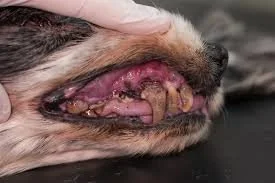
Periodontal disease progresses in stages:
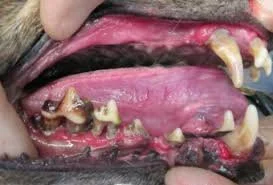
Stage 1: Gingivitis — Red, swollen gums caused by plaque. Reversible with brushing.
Stage 2: Early Periodontitis — Mild bone loss begins. Bad breath becomes noticeable.
Stage 3: Moderate Periodontitis — Infection spreads deeper. Pain increases.
Stage 4: Advanced Periodontitis — Severe bone loss, loose teeth, and chronic infection.
Once bone loss occurs, it cannot be reversed. That’s why prevention is far more effective—and far less expensive—than treatment.
🪥 What You Need to Brush Your Dog’s Teeth
Brushing is simple, but using the right tools makes a big difference.
Dog Toothbrush
Choose a toothbrush designed specifically for dogs. These brushes have:
Long handles for better reach
Angled heads to fit along the gumline
Extra‑soft bristles to avoid irritation
For small dogs, a finger toothbrush or even gauze wrapped around your finger works well.
Dog Toothpaste
Never use human toothpaste. It contains ingredients like fluoride, detergents, and xylitol that are unsafe for dogs. Instead, choose a pet‑safe enzymatic toothpaste, which helps break down plaque even if your brushing technique isn’t perfect.
Popular flavors include poultry, peanut butter, and vanilla mint—making the experience more enjoyable for your dog.
Optional Tools
Dental wipes
Oral rinses
Dental chews
Water additives
These can help, but none replace brushing.
🐾 How to Brush Your Dog’s Teeth Step by Step
Brushing your dog’s teeth doesn’t have to be stressful. Follow this simple routine:
1. Get your dog comfortable
Choose a quiet time when your dog is relaxed. Sit beside them rather than standing over them. Let them sniff the toothbrush and taste the toothpaste.
2. Lift the lip gently
Expose the outer surfaces of the teeth. Most plaque builds up on the cheek‑side surfaces, so that’s your main focus.
3. Brush the upper teeth first
Use short, gentle strokes along the gumline. Angle the bristles slightly upward so they reach under the gum margin.
4. Brush the lower teeth
Repeat the same motion on the lower jaw. Don’t forget the canines and incisors.
5. Keep sessions short
One minute is enough. Daily brushing is more effective than long, infrequent sessions.
6. Reward generously
Praise, treats, or playtime help your dog associate brushing with positive experiences.
🐕 Training Your Dog to Accept Toothbrushing
Some dogs accept brushing immediately. Others need time. Here’s a simple training plan:
Week 1: Introduce the idea
Let your dog lick toothpaste from your finger.
Gently touch their lips and gums.
Keep sessions under 10 seconds.
Week 2: Add a cloth or gauze
Wrap gauze around your finger.
Rub the teeth and gums gently.
Reward after each attempt.
Week 3: Introduce the toothbrush
Start with just a few teeth.
Gradually increase the number of teeth brushed.
Week 4: Build the routine
Aim for brushing all outer surfaces.
Keep sessions calm and predictable.
Patience is key. Never force your dog’s mouth open or create a negative experience.
🐩 How Often Should You Brush Your Dog’s Teeth?
Veterinarians recommend daily brushing. If daily isn’t possible, aim for at least four times per week. The more consistent you are, the better the results.
Even with daily brushing, dogs still need professional dental cleanings. Your veterinarian will determine how often based on your dog’s breed, age, and oral health.
🦴 Breeds That Need Extra Dental Care
Some breeds are more prone to dental disease, including:
Chihuahuas
Yorkies
Dachshunds
Poodles
Shih Tzus
Maltese
Bulldogs and brachycephalic breeds
Small dogs often have crowded teeth, making plaque buildup more likely. For these breeds, brushing is essential—not optional.
🐕🦺 Signs Your Dog May Already Have Dental Disease
Watch for:
Bad breath
Red or bleeding gums
Yellow or brown tartar
Drooling
Pawing at the mouth
Difficulty chewing
Loose or missing teeth
If you notice any of these signs, schedule a veterinary exam. Brushing alone cannot fix advanced dental disease.
🧼 Other Ways to Support Your Dog’s Dental Health
Brushing is the gold standard, but additional tools can help:
Dental Chews
Look for products approved by the VOHC (Veterinary Oral Health Council). These chews reduce plaque and tartar when used regularly.
Dental Diets
Some prescription diets are designed to mechanically scrub teeth as dogs chew.
Water Additives
These help reduce bacteria in the mouth, but they are not a substitute for brushing.
Professional Cleanings

Your veterinarian will perform a full cleaning under anesthesia, including scaling below the gumline—something brushing cannot reach.
🐾 Common Mistakes to Avoid
Using human toothpaste
Brushing too hard
Skipping the gumline
Only brushing occasionally
Expecting perfection on day one
Consistency matters more than technique. Even imperfect brushing is better than none.
🐕 Why Brushing Helps Your Dog Live Longer
Chronic oral infection doesn’t stay in the mouth. Bacteria can enter the bloodstream and affect major organs. Studies show links between periodontal disease and:
Heart disease
Kidney disease
Liver inflammation
Diabetes complications
By brushing your dog’s teeth, you’re not just improving their breath—you’re protecting their entire body.
🐶 Creating a Dental Care Routine That Works
The best routine is one you can maintain. Try:
Brushing at the same time each day
Keeping supplies in an easy‑to‑reach spot
Using high‑value treats as rewards
Making brushing part of your bonding time
Dogs thrive on routine, and brushing quickly becomes a normal part of their day.
🐾 Final Thoughts: A Small Habit With a Big Impact
Brushing your dog’s teeth is one of the most powerful ways to protect their health. It prevents painful dental disease, reduces the risk of serious systemic illness, and keeps your dog comfortable well into their senior years. With the right tools, a little patience, and a consistent routine, brushing becomes an easy, positive experience for both you and your dog.
Give your dog the healthy smile they deserve. Book a professional dental consultation today and start building a lifelong oral care routine that keeps them happy and pain‑free.

We LOVE to hear your feed back
Please leave us a Google Review
Frequently Asked Questions About Brushing Your Dog’s Teeth
Why is brushing a dog’s teeth important?
Brushing your dog’s teeth helps remove plaque and bacteria that can lead to dental disease. Good dental care helps prevent bad breath, gum infections, tooth loss, and other health problems.
How often should I brush my dog’s teeth?
Ideally, you should brush your dog’s teeth daily. If daily brushing is not possible, brushing several times a week can still help reduce plaque buildup.
What kind of toothpaste should I use for my dog?
Always use toothpaste made specifically for dogs. Human toothpaste can be harmful to dogs because it may contain ingredients such as xylitol or fluoride that are unsafe if swallowed.
Can I use a regular toothbrush to brush my dog’s teeth?
It is best to use a dog toothbrush or finger brush designed for pets. These brushes are shaped to reach the back teeth and are gentler on a dog’s gums.
When should I start brushing my dog’s teeth?
It is best to start brushing your dog’s teeth when they are young, but older dogs can learn to accept tooth brushing with patience and gradual training.
What are signs of dental disease in dogs?
Common signs include bad breath, red or swollen gums, yellow or brown tartar on the teeth, difficulty eating, drooling, or pawing at the mouth.
What if my dog won’t let me brush their teeth?
Start slowly by letting your dog taste the toothpaste and gently handling their mouth. Gradually introduce the toothbrush and reward your dog with praise or treats for cooperation.
Are dental chews a substitute for brushing?
Dental chews and treats can help reduce plaque, but they do not replace regular tooth brushing. Brushing remains the most effective way to keep your dog’s teeth clean.
Do dogs still need professional dental cleanings if I brush their teeth?
Yes. Even with regular brushing, many dogs benefit from professional veterinary dental cleanings to remove tartar and check for dental disease.
How can I keep my dog’s teeth healthy?
Good dental health includes regular tooth brushing, dental chews, routine veterinary exams, and professional dental cleanings when recommended.
