Guide to Vaccines for Dogs, Cats, Puppies, and Kittens
Essential Guide to Dog Rabies Vaccines in Florida
Vaccinations are one of the most important steps you can take to protect your dog or cat from preventable—and often life‑threatening—diseases. Whether you’re caring for a brand‑new puppy or kitten, or keeping an adult pet healthy, understanding how vaccines work and when to give them is essential. This comprehensive guide breaks down everything you need to know about pet vaccines, including schedules, core vs. non‑core vaccines, risks, costs, and how to make the best decisions for your pet’s long‑term health.
🧬 Why Vaccines Matter for Dogs and Cats
Vaccines prepare your pet’s immune system to recognize and fight dangerous viruses and bacteria. Many of these diseases are widespread, highly contagious, and potentially fatal. Others may not kill but can cause severe illness, long-term complications, or expensive veterinary bills.
Vaccinating your pet:
Reduces the risk of serious disease
Helps prevent outbreaks in your community
Protects vulnerable animals (seniors, immunocompromised pets, young animals)
May be legally required (e.g., rabies)
Can reduce treatment costs over your pet’s lifetime
For puppies and kittens, vaccines are especially important because their immune systems are still developing, and they are more susceptible to infection.
🍼 Understanding Maternal Antibodies and Why Young Pets Need a Vaccine Series

Puppies and kittens receive temporary immunity from their mother’s first milk, called colostrum. This immunity is powerful but unpredictable—it can fade anytime between birth and 20 weeks of age.
This creates a challenge:
If vaccines are given too early, maternal antibodies block them.
If vaccines are given too late, the pet may be unprotected during a vulnerable period.
To solve this, veterinarians recommend a series of vaccines every 2–4 weeks until the pet is at least 16–20 weeks old. This ensures that at the moment maternal antibodies fade, the vaccine can take effect.
Even adult pets receiving a vaccine for the first time often need two doses to build full immunity.
🐶 Core Vaccines for Dogs
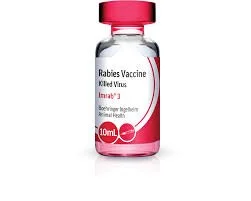
Core vaccines are recommended for every dog, regardless of lifestyle or location. These diseases are widespread, severe, or pose a public‑health risk.
1. Canine Distemper
A highly contagious virus affecting the respiratory, gastrointestinal, and nervous systems. Often fatal.
2. Parvovirus

A severe gastrointestinal virus causing vomiting, bloody diarrhea, dehydration, and death—especially in puppies.
3. Adenovirus (Hepatitis)
Protects against canine infectious hepatitis, which can cause liver failure.
4. Rabies
Required by law in most states. Fatal to animals and humans.
5. Leptospirosis (Now Treated as Core in Many Regions)
Leptospirosis has become increasingly common in both rural and urban environments due to rising wildlife populations and warmer, wetter climates. Dogs can be exposed through contaminated soil, puddles, standing water, or wildlife urine—even in suburban yards.
Because the disease can cause kidney failure, liver damage, and can spread to humans, many veterinarians now recommend the leptospirosis vaccine for all dogs, not just those with outdoor lifestyles. Modern vaccines are safer and more effective than older versions, making widespread use more practical.
🐕 Non‑Core Vaccines for Dogs
These vaccines are recommended based on lifestyle, location, and risk.
Bordetella (Kennel Cough) — recommended for dogs who visit groomers, boarding facilities, dog parks, or daycare.
Canine Influenza (CIV) — recommended for social dogs or those in high‑density areas.
Lyme Disease — recommended in tick‑heavy regions.
Rattlesnake Vaccine — for dogs in rattlesnake‑prone areas.
🐱 Core Vaccines for Cats
Core vaccines are recommended for all cats, including indoor-only cats.
1. Feline Panleukopenia (Feline Distemper)
A severe and often fatal viral disease.
2. Feline Herpesvirus (FHV‑1)
A major cause of upper respiratory infections.
3. Feline Calicivirus (FCV)
Another common respiratory virus that can cause oral ulcers.
4. Rabies
Required in most states and essential for public health.
🐈 Non‑Core Vaccines for Cats
These are recommended based on lifestyle and risk.
Feline Leukemia Virus (FeLV) — core for kittens; optional for low‑risk adults.
Chlamydia felis — for multi‑cat households with recurring respiratory infections.
Bordetella — for cats in shelters or boarding facilities.
📅 Recommended Vaccine Schedules for Puppies and Kittens
Puppy Vaccine Schedule (General Guidelines)
6–8 weeks: Distemper, Parvo (DHPP)
10–12 weeks: DHPP booster
14–16 weeks: DHPP booster
16+ weeks: Rabies
Leptospirosis: Typically begins around 10–12 weeks, given as a two‑dose series
Optional: Bordetella, Lyme, Influenza depending on lifestyle
Kitten Vaccine Schedule (General Guidelines)
6–8 weeks: FVRCP (Feline Distemper combo)
10–12 weeks: FVRCP booster
14–16 weeks: FVRCP booster
16+ weeks: Rabies
FeLV: Two‑dose series for all kittens
Your veterinarian may adjust the schedule based on health, breed, or risk factors.
🔄 Why Adult Pets Need Booster Shots
Vaccines do not last forever. Over time, immunity fades, and booster shots are needed to maintain protection.
How long vaccines typically last:
Rabies: 1 or 3 years
Distemper/Parvo (dogs): 1–3 years
FVRCP (cats): 1–3 years
Leptospirosis: 12 months
Bordetella: 6–12 months
Canine Influenza: 12 months
FeLV: 12 months for high‑risk cats
Vaccines for systemic diseases (like distemper or parvo) tend to last longer.
Vaccines for localized infections (like kennel cough or feline respiratory viruses) require more frequent boosting.
⏳ What Happens If Your Pet Misses a Vaccine?
Life happens—sometimes pets miss their annual vaccines. In most cases, they do not need to restart the entire series.
General guidelines:
FVRCP (cats): Continue normally
FeLV: No restart needed
Rabies: Follow local laws
DHPP (dogs): Continue normally
Leptospirosis: Restart if more than 18 months have passed
Canine Influenza: Restart if overdue
Lyme: May require restarting depending on time elapsed
Rattlesnake vaccine: Restart if a full year is missed
Your veterinarian will determine the safest approach.
🧪 Types of Vaccines Used in Veterinary Medicine
Modified Live Vaccines (MLV)
Mimic natural infection
Provide strong, long-lasting immunity
Not safe for pregnant animals
Killed Vaccines
Contain inactivated pathogens
Cannot cause disease
Often require adjuvants
Used for rabies and some FeLV vaccines
Recombinant Vaccines
Use harmless vectors to deliver immunity
Very safe with fewer reactions
Cannot revert to virulence
Available for FeLV, Lyme, and some canine distemper vaccines
⚠️ Why Vaccinated Pets Can Still Get Sick
Vaccines dramatically reduce risk, but no vaccine is 100% effective. Pets may still get sick if:
They were exposed before immunity developed
They didn’t complete the full vaccine series
Maternal antibodies interfered
The vaccine reduces severity, not infection
They have an individual immune system failure (rare)
True vaccine failure is extremely uncommon.
🐾 Vaccine Safety and Possible Reactions
Most pets experience no reaction or only mild, temporary symptoms:
Soreness
Mild fever
Sleepiness
Reduced appetite
More serious reactions are rare but possible:
Facial swelling
Hives
Vomiting
Difficulty breathing
Collapse
Cats may develop vaccine-associated sarcomas, especially from adjuvanted vaccines. This is rare but taken seriously by veterinarians.
💲 How to Save Money on Pet Vaccinations
Low‑cost vaccine clinics
Vaccination‑only appointments
Wellness plans
Avoiding self‑vaccination, which carries risks and legal limitations
🧬 Should You Use Vaccine Titers?
Titers measure antibody levels and can help determine whether your pet still has immunity. They are most useful for distemper and parvovirus in dogs, but they are not available or reliable for all diseases.
Final Thoughts
Vaccines are one of the most effective tools we have to keep dogs and cats healthy. By understanding how vaccines work, following recommended schedules, and staying informed about risks and benefits, you can give your pet the best possible protection throughout their life.
Your pet’s health starts with prevention. Book a visit with our veterinary team and make sure your dog or cat is fully protected.
Frequently Asked Questions About Rabies in Dogs
What is rabies in dogs?
Rabies is a serious viral disease that affects the nervous system of mammals, including dogs and humans. The virus is usually transmitted through the bite of an infected animal.
How do dogs get rabies?
Dogs typically become infected with rabies when they are bitten by an animal carrying the virus. The virus is spread through saliva and enters the body through the bite wound.
What animals commonly carry rabies?
Wild animals such as raccoons, bats, skunks, and foxes are common carriers of rabies in many areas. Dogs can become infected if they are bitten by one of these animals.
What are the symptoms of rabies in dogs?
Symptoms may include behavioral changes, aggression, excessive drooling, difficulty swallowing, weakness, paralysis, and seizures. As the disease progresses, it affects the brain and nervous system.
How long does it take for rabies symptoms to appear in dogs?
The incubation period can vary but is typically several weeks to a few months after exposure to the virus.
Can rabies in dogs be treated?
Once symptoms appear, rabies is almost always fatal. Because of this, prevention through vaccination is extremely important.
How can rabies be prevented in dogs?
Rabies can be prevented through regular vaccination. Keeping your dog’s rabies vaccination up to date is the best protection against the disease.
Can humans get rabies from dogs?
Yes. Rabies is a zoonotic disease, meaning it can spread from animals to humans through bites or saliva entering broken skin.
What should I do if my dog is bitten by a wild animal?
If your dog is bitten by a wild animal, contact your veterinarian immediately. Your veterinarian will examine your dog and determine whether a rabies booster or quarantine is needed.
Is rabies vaccination required for dogs?
In many areas, rabies vaccination is required by law to protect both animals and people from this deadly disease.
