How Canine Parvovirus Actually Happens: A Complete Breakdown for Dog Owners
Understanding Canine Parvovirus: How Infection Happens, Why Puppies Are at Risk, and What Every Dog Owner Should Know
Canine parvovirus remains one of the most feared infectious diseases in dogs, especially among puppy owners and breeders. Despite decades of research and widespread vaccination, parvo continues to cause severe illness, rapid dehydration, and life‑threatening complications. What makes this virus so dangerous is not only its aggressive attack on a dog’s immune and digestive systems but also its ability to survive in the environment for months.
This comprehensive guide explains how parvovirus infection actually happens, why puppies are uniquely vulnerable, how the virus spreads, what happens inside the body during infection, and what determines whether a dog survives. Understanding these mechanisms helps owners make informed decisions about vaccination, prevention, and early intervention.
🦠 What Determines Whether a Dog Gets Parvo
Whether a dog becomes infected depends on the interaction of three major factors: host vitality, virus virulence, and environmental conditions. These factors influence each other and collectively determine the likelihood and severity of infection.
Host vitality
This includes:
immune system strength
vaccination history
previous exposure to the virus
stress levels
concurrent illnesses
A stressed or immunocompromised dog is more susceptible, while a vaccinated or previously exposed dog has stronger defenses.
Virus virulence
This refers to:
the strain of parvovirus
the number of viral particles the dog encounters
Even a tiny amount of virus can cause infection, but higher viral loads increase the likelihood and severity of illness.
Environmental factors
Environmental conditions influence how long the virus survives and how easily it spreads.
Dry environments reduce viral survival.
Moist, shaded, or cool environments preserve the virus for months.
Dirty or high‑traffic areas increase exposure risk.
These three factors constantly interact—for example, a stressful environment weakens immunity, while a contaminated environment increases viral load.
🌍 Where Parvovirus Comes From and How It Spreads
Parvovirus has been circulating since the 1970s and is now everywhere. It is shed in enormous quantities by infected dogs, especially in their stool. Even after symptoms resolve, dogs continue shedding virus for up to two weeks.
Why the virus is so widespread
It is extremely hardy and difficult to disinfect.
It can survive for months in soil, carpets, kennels, and parks.
Only a microscopic amount of contaminated stool is needed to infect a dog.
Subclinically infected dogs—those who appear healthy—continue to spread the virus unknowingly.
Because the virus travels wherever dirt travels, it can be carried on shoes, tires, paws, or fur. This is why even indoor puppies can become infected.
🐶 Why Puppies Are the Most Vulnerable
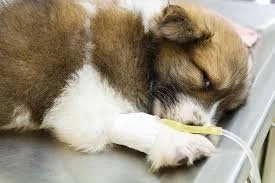
Adult dogs rarely develop parvo today because most have some level of immunologic experience—either from vaccination or from low‑level environmental exposure that stimulates antibody production. Puppies, however, face several unique challenges.
1. Immature immune systems
Newborn puppies cannot produce their own antibodies. They rely entirely on maternal antibodies passed through colostrum—the first milk produced after birth.
2. Uneven maternal antibody protection
Not all puppies receive the same amount of colostrum. Factors include:
birth order
nursing strength
competition among littermates
Maternal antibodies decline by half every nine days, but the exact timing varies widely between puppies.
3. The “window of vulnerability”
There is a dangerous period when:
maternal antibodies are too low to protect the puppy
butstill high enough to interfere with vaccination
During this window—often between 6 and 16 weeks—puppies are at the highest risk of infection.
4. Incomplete vaccination
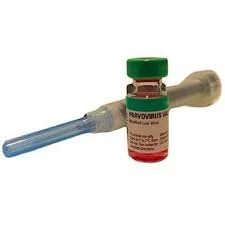
Puppies are not fully protected until they complete their vaccine series at 16 weeks. Until then, they should be restricted from public outdoor areas.
This combination of factors explains why even well‑cared‑for puppies can become infected.
🧬 How Parvovirus Enters and Spreads Inside the Body
Parvovirus infection follows a predictable and devastating path through the body. Understanding this progression helps explain the rapid onset of symptoms and the severity of the disease.
Step 1: Entry through the mouth
Puppies ingest the virus while:
grooming themselves
licking contaminated surfaces
eating off the ground
Only a minuscule amount of infected stool is required.
Step 2: Incubation (3–7 days)
The virus first targets rapidly dividing cells in the lymph nodes of the throat, where it replicates aggressively. After a few days, large quantities enter the bloodstream.
Step 3: Attack on bone marrow
The virus then invades the bone marrow, destroying young immune cells.
This causes:
a dramatic drop in white blood cell count
weakened immune defenses
increased vulnerability to secondary infections
A near‑zero white blood cell count is a hallmark of severe parvo infection.
Step 4: Destruction of the intestinal lining
The virus’s most devastating effects occur in the gastrointestinal tract.
The intestines contain:
villi — finger‑like projections that absorb nutrients
microvilli — microscopic extensions that further increase absorption
crypts of Lieberkühn — rapidly dividing cells that regenerate the intestinal lining
Parvovirus attacks the crypts, preventing the formation of new cells.
This leads to:
blunted villi
inability to absorb nutrients
severe diarrhea
nausea and vomiting
breakdown of the intestinal barrier
Once the barrier fails, bacteria from the gut enter the bloodstream, causing widespread infection.
⚠️ How Parvovirus Causes Severe Illness and Death
Parvovirus kills dogs in one of two primary ways:
Extreme dehydration from vomiting and diarrhea leading to shock.
Sepsis from bacteria entering the bloodstream through the damaged intestinal wall.
Because the virus simultaneously destroys the bone marrow’s ability to produce immune cells, the body cannot fight off invading bacteria. This combination makes parvo one of the most rapidly progressing and dangerous infections in veterinary medicine.
🏥 What Determines Whether a Dog Survives Parvo
Survival depends on a race between two forces:
the immune system’s ability to recover and produce antibodies
versusongoing fluid loss and bacterial invasion
Even though parvo severely damages the immune system, it cannot destroy it entirely. Each day that passes allows the body to produce more antibodies capable of neutralizing the virus.
Why hospitalization improves survival
Intensive supportive care can include:
IV fluids to combat dehydration
anti‑nausea medications
antibiotics to control secondary bacterial infections
nutritional support
monitoring of white blood cell counts
While hospitalization greatly increases survival rates, it does not guarantee recovery.
🧹 Environmental Persistence and Disinfection Challenges
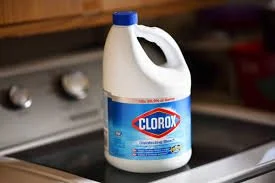
Parvovirus is notoriously difficult to eliminate from the environment. It can survive:
months in soil
years in shaded outdoor areas
on porous surfaces like carpets and wood
on shoes, clothing, and equipment
Only specific disinfectants—such as diluted bleach or veterinary‑grade virucidal products—can reliably kill it.
This resilience explains why outbreaks occur even in homes without recent dog traffic.
🐾 Practical Prevention Strategies for Dog Owners
Because parvo is so widespread and hardy, prevention requires a layered approach.
Vaccination
Vaccination is the most effective protection. Puppies must complete their full series, and adult dogs should maintain boosters.
Controlled socialization
Until fully vaccinated, puppies should avoid:
dog parks
pet‑friendly stores
public sidewalks
areas with unknown dog traffic
Safe alternatives include:
puppy‑safe indoor playdates
controlled training classes with vaccination requirements
clean, private yards
Hygiene and disinfection
Owners should:
clean contaminated areas with approved disinfectants
avoid bringing shoes from public areas into puppy spaces
wash hands after handling unfamiliar dogs
Monitoring for early symptoms
Early signs include:
lethargy
vomiting
loss of appetite
diarrhea (often bloody)
Immediate veterinary care is essential.
🧭 Why Understanding Parvo Matters
Parvovirus is preventable, but only when owners understand how it spreads and why puppies are so vulnerable. The virus’s ability to survive in the environment, destroy the immune system, and rapidly cause life‑threatening illness makes it a serious threat. Yet with proper vaccination, controlled exposure, and early intervention, most cases can be avoided.
Here is a copy-paste FAQ section you can place at the bottom of your Canine Parvovirus blog post on Squarespace.
Frequently Asked Questions About Parvovirus in Dogs
What is canine parvovirus?
Canine parvovirus is a highly contagious viral disease that affects dogs, especially puppies. The virus attacks rapidly dividing cells in the body, particularly those in the intestines and bone marrow.
How do dogs get parvovirus?
Dogs become infected with parvovirus by coming into contact with the virus in contaminated feces, soil, surfaces, food bowls, or objects. The virus can survive in the environment for long periods and spread easily.
Can dogs get parvo from other dogs?
Yes. Parvovirus spreads quickly between dogs through contact with infected feces or contaminated environments where infected dogs have been.
Which dogs are most at risk for parvovirus?
Puppies between six weeks and six months of age are most at risk. Dogs that have not been fully vaccinated are also more susceptible to infection.
What are the symptoms of parvo in dogs?
Common symptoms include vomiting, severe diarrhea (often bloody), lethargy, loss of appetite, dehydration, and fever. Parvovirus can quickly become life-threatening without treatment.
How long does it take for parvo symptoms to appear?
Symptoms usually appear three to seven days after exposure to the virus.
How is parvovirus diagnosed in dogs?
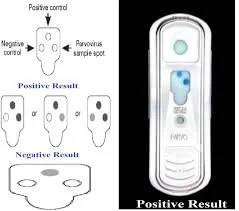
Veterinarians typically diagnose parvovirus using a fecal test and physical examination. Blood tests may also be used to evaluate the dog’s condition.
Can parvovirus be treated?
There is no specific cure for parvovirus, but supportive veterinary care such as fluids, medications, and hospitalization can help dogs recover while their immune system fights the virus.
How can parvo be prevented?
Vaccination is the most effective way to prevent parvovirus. Puppies should receive a series of vaccines beginning at about six to eight weeks of age.
Is parvovirus dangerous for dogs?
Yes. Parvovirus is a serious disease that can be fatal, especially in young puppies. Early veterinary treatment greatly improves survival rates.
