Histiocytoma in Dogs: A Guide for Dog Owners
Histiocytoma in Dogs: A Guide for Dog Owners
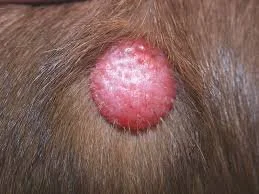
A sudden lump on your dog can be alarming, especially when it appears out of nowhere and grows quickly. One of the most common causes of fast‑growing skin bumps in young dogs is a histiocytoma—a benign skin tumor that often looks more dramatic than it actually is. While these growths can appear red, raised, and even ulcerated, they are typically harmless and often disappear on their own.
What Is a Histiocytoma?
A histiocytoma is a benign skin growth that develops from Langerhans cells, a type of immune cell found in the skin. These cells normally help the body respond to foreign substances, but in a histiocytoma they multiply excessively and form a small, round lump.
Typical features include:
A pink, red, or button‑like bump
Usually smooth, hairless, and dome‑shaped
Common on the head, ears, legs, and face
Often appears in dogs under two years old
May ulcerate or scab if the dog licks or scratches it
Even though they can look concerning, histiocytomas are non‑cancerous and usually resolve naturally.
Why Histiocytomas Develop
The exact cause is not fully understood, but histiocytomas are believed to be related to an overactive immune responsein the skin. They are not contagious, not caused by trauma, and not linked to environmental toxins.
Several factors may contribute:
Age: Most common in dogs under two years old
Immune activity: Young dogs have more reactive immune systems
Breed tendencies: Boxers, Bulldogs, Cocker Spaniels, and Dachshunds may be more prone
Skin irritation: Scratching or licking can worsen the appearance but does not cause the tumor
Because these growths are immune‑based, they often regress once the immune system “recognizes” the cells and stops overreacting.
What a Histiocytoma Looks Like
Histiocytomas have a very characteristic appearance:
Small (½–1 inch) but can grow rapidly
Bright pink or red
Firm and raised
Hairless
May become crusty or ulcerated
They often look worse before they get better. Many owners mistake them for infections, insect bites, or even cancerous tumors.
How Veterinarians Diagnose Histiocytomas
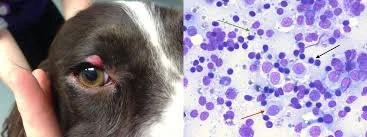
Even though histiocytomas are benign, any new lump should be checked by a veterinarian. Several other skin tumors can look similar, and only a professional can determine the difference.
A veterinarian may perform:
Physical exam to assess size, shape, and location
Fine‑needle aspiration (FNA) to collect cells for microscopic evaluation
Biopsy if the lump has unusual features or does not regress
FNA is the most common diagnostic tool and often provides a clear answer.
How Long Histiocytomas Last
Most histiocytomas follow a predictable timeline:
Weeks 1–3: Rapid growth phase
Weeks 3–6: Stabilization
Weeks 6–12: Regression and shrinking
By 3 months: Many disappear completely
Some may resolve faster, while others take a bit longer. If a lump does not shrink after several months, a veterinarian may recommend removal.
Do Histiocytomas Need Treatment?
Most histiocytomas do not require treatment. They resolve naturally as the immune system corrects itself. However, a veterinarian may recommend intervention if:
The dog constantly licks or scratches the lump
The growth becomes infected
The lump is in a sensitive location (eyelid, lip, paw)
The diagnosis is uncertain
The lump does not regress after several months
Treatment options may include:
Topical medications to reduce irritation
Elizabethan collar to prevent licking
Surgical removal if the lump is persistent or problematic
Surgery is usually quick and curative, but most dogs never need it.
Are Histiocytomas Painful?
Histiocytomas are typically not painful, but they can become uncomfortable if:
The dog scratches them
They ulcerate
They become infected
Dogs may lick or chew at the lump, which can make it look worse. Preventing irritation helps the lump heal faster.
Can Histiocytomas Turn Into Cancer?
No. Histiocytomas are benign and do not transform into cancer. However, other tumors can mimic their appearance, which is why veterinary evaluation is important.
Histiocytoma vs. Other Skin Lumps
Several skin conditions can resemble histiocytomas:
Mast cell tumors (can be dangerous)
Warts (papillomas)
Skin infections
Cysts
Other benign tumors
Because mast cell tumors can look nearly identical, a veterinarian may recommend FNA to confirm the diagnosis.
Home Care Tips for Dogs With Histiocytomas
Supporting healing at home can make a big difference:
Prevent licking or scratching
Keep the area clean and dry
Monitor for changes in size or appearance
Avoid squeezing or picking at the lump
Follow your veterinarian’s recommendations
If the lump suddenly grows, bleeds excessively, or becomes painful, a recheck is important.
Long‑Term Outlook for Dogs With Histiocytomas
The prognosis is excellent. Most dogs:
Heal completely
Do not need surgery
Do not experience recurrence
Live normal, healthy lives
Some dogs may develop more than one histiocytoma in their lifetime, but this is uncommon.
Don’t wait—find out if your dog’s lump is harmless or needs attention.
Frequently Asked Questions About Histiocytoma in Dogs
What is a histiocytoma in dogs?
A histiocytoma is a benign skin tumor that commonly occurs in young dogs. It usually appears as a small, round, raised lump on the skin and often develops quickly.
What does a histiocytoma look like on a dog?
Histiocytomas typically appear as hairless, red or pink, button-like lumps on the skin. They are often found on the head, ears, or limbs.
Are histiocytomas cancerous?
No. Histiocytomas are benign tumors and are not cancer. However, they can sometimes look similar to more serious tumors, so veterinary evaluation is important.
Which dogs are most likely to develop histiocytomas?
Histiocytomas are most common in young dogs under three years of age. They can occur in any breed but are often seen in dogs with developing immune systems.
Do histiocytomas go away on their own?
Yes. Many histiocytomas regress on their own within two to three months as the dog’s immune system recognizes and eliminates the growth.
Do histiocytomas need to be removed?
In many cases removal is not necessary if the growth is confirmed as a histiocytoma and is not causing problems. Surgical removal may be recommended if the mass becomes irritated, infected, or does not resolve.
Are histiocytomas painful for dogs?
Most histiocytomas are not painful. However, dogs may lick or scratch the area if the growth becomes irritated.
How are histiocytomas diagnosed in dogs?
Veterinarians often diagnose histiocytomas through a physical examination and may confirm the diagnosis with a fine needle aspirate or biopsy.
Can histiocytomas come back after removal?
Histiocytomas usually do not return once they have regressed or been surgically removed.
When should I take my dog to the veterinarian for a lump?
Any new lump or skin growth should be examined by a veterinarian to determine the cause and rule out more serious conditions.
Related Dog Health Articles
You may also find these veterinary articles helpful:
• Dog Lump Under Skin
• Lipoma in Dogs
• Sebaceous Cyst in Dogs
• Dog Abscess
• Canine Papilloma Virus
• Hamartoma in Dogs
• Dog Mammary Tumor
• Mast Cell Tumor in Dogs
• Dog Skin Tumors
• Dog Warts and Skin Growths
