Happy Tail Syndrome in Dogs: Cause and Treatments
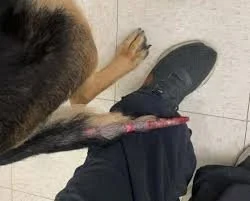
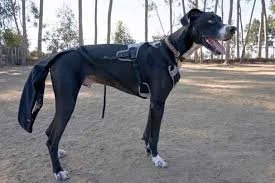
Happy Tail Syndrome occurs when a dog’s tail repeatedly hits walls, furniture, crates, or other hard surfaces with enough force to damage the skin. Over time, this trauma causes:
Cracked or split skin
Bleeding
Swelling
Pain
Recurrent reopening of wounds
Because dogs wag their tails when excited, stressed, or stimulated, they often continue wagging even when injured, making the wound difficult to protect and heal. In severe or chronic cases, the damage can lead to infection or nerve irritation, and some dogs may eventually require partial tail amputation to prevent ongoing trauma
🐾 Breeds Most at Risk
Any dog can develop Happy Tail Syndrome, but certain breeds are more prone due to their size, energy level, and tail structure. Dogs most commonly affected include:
Labrador Retrievers
Great Danes
Greyhounds
Pit Bulls
Boxers
Dobermans
Any large‑breed dog with a long, thin, muscular tail
These dogs wag with their whole bodies, and their tails act like whips—powerful enough to injure themselves when they strike a hard surface repeatedly.
🩸 Symptoms Bushnell Owners Often Notice
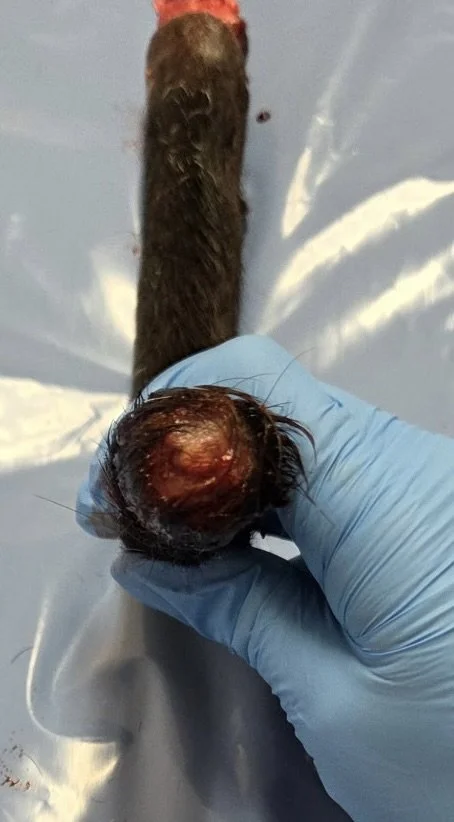
Happy Tail Syndrome can develop suddenly or gradually. Common signs include:
Bleeding from the tip of the tail
Cracked, split, or raw skin
Blood splatter on walls, floors, or furniture
Swelling or redness
Sensitivity when the tail is touched
Persistent licking or chewing at the tail
Difficulty keeping the tail still
Because the tail bleeds easily and dogs continue wagging, many owners first notice the condition when they see blood spots around the home.
🧭 Why Happy Tail Happens
Dogs communicate with their tails. They wag when they’re excited, anxious, greeting family members, or reacting to stimuli. When a dog wags forcefully in a confined space or near hard surfaces, the repeated impact can cause trauma. Over time, this leads to:
Skin cracking
Open wounds
Infection
Chronic inflammation
Nerve irritation
In some cases, the wound becomes so persistent that healing is nearly impossible without medical intervention. This is especially true for dogs who live in small spaces, spend time in kennels, or have high‑energy personalities
🩺 How Bushnell Animal Clinic Diagnoses Happy Tail
Diagnosis is typically straightforward and based on physical examination. During your visit, our veterinary team will:
Examine the tail for wounds, swelling, or infection
Assess the depth and severity of the injury
Check for nerve involvement
Evaluate for secondary issues such as allergies or anxiety
Determine whether the wound is acute or chronic
In some cases, additional diagnostics may be recommended if infection is suspected or if the dog has underlying conditions that could slow healing.
🐶 Treatment Options at Bushnell Animal Clinic
Treatment depends on the severity of the injury and how long the condition has been present. Because the tail is difficult to immobilize, healing can take time and patience. Common treatment strategies include:
Wound Cleaning and Protection
Keeping the wound clean is essential. Our team may recommend:
Gentle cleaning
Antimicrobial solutions
Protective bandaging
Bandaging a tail can be challenging due to constant movement, but specialized wraps or splints can help protect the area.
Topical and Oral Medications
Depending on the wound, treatment may include:
Topical ointments to promote healing
Anti‑inflammatory medications
Antibiotics if infection is present
These help reduce pain, swelling, and the risk of complications.
Tail Guards or Splints
Protective devices help prevent the tail from striking surfaces while it heals. These can be custom‑fit and adjusted as needed.
Environmental Adjustments
Reducing exposure to hard surfaces can significantly improve healing. Strategies may include:
Adding padding to crates
Using soft bedding
Restricting access to narrow hallways
Managing excitement during greetings
Laser Therapy
Some dogs benefit from therapeutic laser treatments to reduce inflammation and promote tissue repair.
Surgical Intervention
In severe or chronic cases where the tail cannot heal, partial tail amputation may be recommended. While this may sound drastic, it often provides long‑term relief and prevents repeated trauma. Many dogs recover quickly and comfortably after surgery, and their quality of life improves significantly
🏡 Preventing Recurrence
Because dogs naturally wag their tails, preventing reinjury can be challenging. Helpful strategies include:
Providing more open space for movement
Using padded crate bumpers
Keeping greetings calm to reduce vigorous wagging
Avoiding narrow hallways or tight spaces during healing
Monitoring for early signs of cracking or bleeding
Long‑term prevention focuses on reducing the risk of repeated trauma and maintaining a safe environment.
🧠 When to Seek Veterinary Care
You should contact Bushnell Animal Clinic if you notice:
Bleeding from the tail
Repeated cracking or splitting
Signs of infection (odor, discharge, swelling)
Pain when the tail is touched
Wounds that won’t heal
Blood splatter around the home
Early treatment helps prevent complications and reduces the likelihood of needing surgical intervention.
🐕🦺 Why Happy Tail Shouldn’t Be Ignored
Happy Tail Syndrome is more than a minor injury. Without treatment, it can lead to:
Chronic pain
Persistent bleeding
Infection
Nerve damage
Repeated reopening of wounds
Long‑term behavioral stress
Prompt veterinary care ensures your dog stays comfortable and avoids more serious complications.
🧭 How Bushnell Animal Clinic Helps Your Dog Heal
Our team understands how frustrating and messy Happy Tail Syndrome can be for families. We provide:
Thorough evaluation
Tailored treatment plans
Pain management
Wound care guidance
Follow‑up support
Surgical options when needed
We work with you to create a healing plan that fits your dog’s lifestyle and your home environment.
Protect Your Dog’s Tail Health with Bushnell Animal Clinic
If your dog is showing signs of Happy Tail Syndrome, early care makes all the difference.
Click below to schedule an appointment at Bushnell Animal Clinic and get expert guidance tailored to your dog’s needs.👉 Schedule Your Dog’s Tail Health Visit Today
Happy Tail Syndrome may sound cheerful, but for many dogs—and their families—it’s anything but. This painful condition happens when a dog wags their tail so enthusiastically that the tip repeatedly strikes hard surfaces, causing injury. Over time, the skin can split open, bleed, and become infected, making healing difficult. Large‑breed dogs with long, powerful tails are especially prone to this frustrating problem
At Bushnell Animal Clinic, we see this condition more often than many owners expect. Because the tail is constantly moving and highly vascular, even small wounds can quickly become chronic. This guide explains what Happy Tail Syndrome is, why it happens, how to recognize it early, and what treatment options are available to help your dog heal comfortably and safely.
