FLUTD in Cats: A Complete Guide for Bushnell Pet Owners from Dr. Hart at Bushnell Animal Clinic
FLUTD in Cats: A Complete Guide for Bushnell Pet Owners from Dr. Hart at Bushnell Animal Clinic
Feline Lower Urinary Tract Disease—commonly known as FLUTD—is one of the most frequent and stressful medical issues cat owners face. It can appear suddenly, cause dramatic changes in behavior, and in some cases become a life‑threatening emergency. At Bushnell Animal Clinic, Dr. Hart and the veterinary team regularly diagnose and treat urinary problems in cats from Bushnell, Sumter County, and the surrounding communities.
This guide explains what FLUTD is, why it happens, how veterinarians determine the cause, and what local cat owners can do to protect their pets’ urinary health. The information is based on veterinary‑reviewed sources and clinical experience, but any cat showing urinary symptoms should be evaluated promptly by a veterinarian.
🐾 What FLUTD Means for Your Cat
FLUTD is not a single disease. It’s a syndrome—a group of urinary symptoms that can be caused by several different underlying conditions. Cats with FLUTD often show:
Straining or crying in the litter box
Frequent attempts to urinate
Urinating outside the litter box
Blood in the urine
Excessive licking of the genital area
Restlessness or hiding
Inability to urinate (an emergency, especially in males)
Because these symptoms overlap across multiple conditions, the only way to know the true cause is through a veterinary exam and diagnostic testing.
🐱 Why Age Matters: Different Causes for Young and Senior Cats

One of the most important insights from veterinary research is that the likely cause of FLUTD changes with age. Dr. Hart sees this pattern frequently in Bushnell cats.
Young to middle‑aged cats (1–7 years)
This age group is more likely to experience:
Idiopathic cystitis (inflammation with no identifiable cause)
Bladder stones
Urethral blockage (especially in males)
Rare urinary infections
Occasional trauma or tumors
Idiopathic cystitis is the most common cause in younger cats. Stress, environmental factors, and bladder sensitivity all play roles.
Senior cats (10+ years)
Older cats have a very different risk profile. They are more likely to develop:
True urinary tract infections
Bladder stones
Stones combined with infection
Urinary tract cancer
Kidney insufficiency
Urinary incontinence
Because infections are much more common in senior cats, Dr. Hart often recommends urine cultures and bloodwork to get a complete picture of their health.
🔍 How Dr. Hart Diagnoses FLUTD at Bushnell Animal Clinic

Since FLUTD can have multiple causes, diagnosis focuses on identifying (or ruling out) each one. A typical diagnostic plan may include:
Urinalysis

Checks for blood, crystals, inflammation, and signs of infection.
Urine culture
Especially important in older cats, since infections are more common with age.
X‑rays
Used to detect bladder stones, which are a frequent cause of urinary issues.
Ultrasound
Helps identify stones, tumors, bladder wall thickening, or other abnormalities.
Bloodwork
Often recommended for senior cats to evaluate kidney function and overall health.
These tests help Dr. Hart determine the underlying cause so treatment can be targeted and effective.
🚨 When FLUTD Becomes an Emergency
A male cat who cannot urinate is experiencing a medical emergency. This condition, known as a urethral blockage, prevents urine from leaving the body and can quickly lead to:
Dangerous electrolyte imbalances
Kidney damage
Bladder rupture
Life‑threatening complications
If your cat is straining but producing little or no urine, or if you’re unsure whether urine is passing, immediate veterinary care is essential. Bushnell Animal Clinic can provide urgent evaluation and treatment during business hours.
🧪 The Most Common Causes of FLUTD Explained
Idiopathic Cystitis (FIC)
The most common cause in younger cats. While the exact cause is unknown, stress, routine changes, and environmental factors often contribute. Management focuses on hydration, stress reduction, and environmental enrichment.
Bladder Stones
Minerals in the urine can form stones that cause pain, inflammation, and sometimes blockages. Some stones dissolve with diet changes; others require surgical removal.
Urethral Blockage
Most common in male cats due to their narrow urethra. Blockages may be caused by mucus, crystals, or stones and require immediate veterinary care.
Urinary Tract Infection (UTI)
True infections are uncommon in young cats but common in seniors. Treatment typically involves targeted antibiotics based on culture results.
Cancer
Less common but more likely in older cats. Tumors can affect the bladder or urethra and may require advanced diagnostics.
Trauma or Injury
Falls, accidents, or other injuries can cause inflammation or bleeding in the urinary tract.
🏡 Supporting Your Cat’s Urinary Health at Home
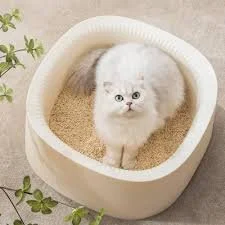
While treatment depends on the underlying cause, there are general strategies that support urinary wellness:
Encouraging hydration with wet food or water fountains
Reducing stress with predictable routines and enrichment
Maintaining a clean, accessible litter box
Using veterinary‑recommended urinary diets when appropriate
Monitoring for early signs of recurrence

These are general wellness strategies, not substitutes for veterinary care. Any cat with urinary symptoms should be evaluated by a professional.
📈 Why FLUTD Often Recurs
Many cats—especially those with idiopathic cystitis—experience recurring episodes. Stress, household changes, conflicts between pets, and even weather shifts can trigger flare‑ups. Dr. Hart often works with families to identify patterns and create long‑term management plans tailored to each cat’s lifestyle.
🧭 When to Contact Bushnell Animal Clinic
Any of the following signs warrant a veterinary visit:
Straining in the litter box
Blood in the urine
Urinating outside the box
Crying or vocalizing during urination
Frequent attempts to urinate
Reduced appetite or hiding
Inability to urinate (emergency)
Early evaluation helps prevent complications and ensures your cat receives the right treatment.
Protect Your Cat’s Urinary Health with Dr. Hart at Bushnell Animal Clinic
If your cat is showing urinary symptoms, early care makes all the difference.
Click below to schedule an appointment with Dr. Hart and get expert guidance tailored to your cat’s age, symptoms, and medical history.👉 Schedule Your Cat’s Urinary Health Visit at Bushnell Animal Clinic
