Search Pet Health Library
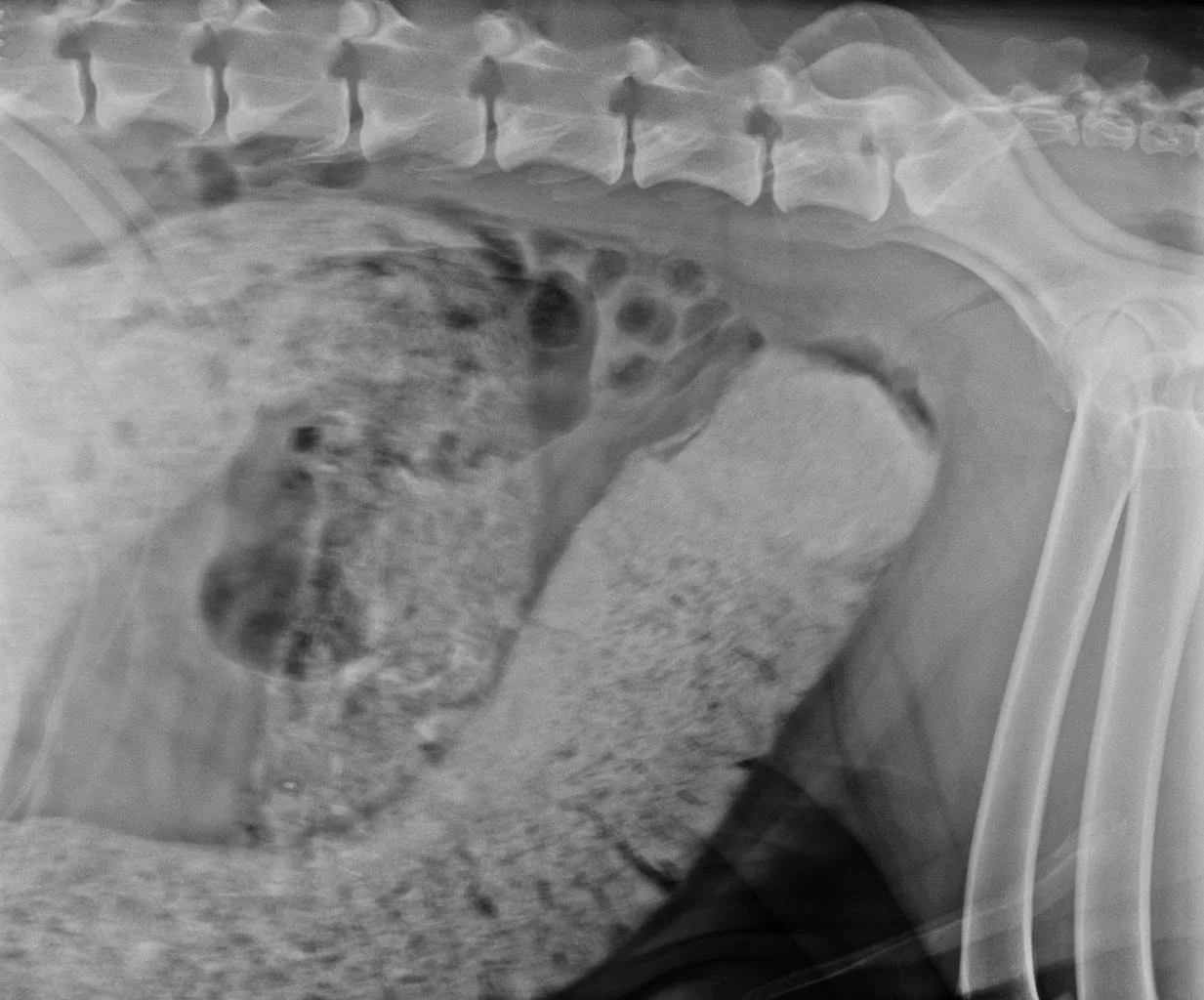
Why Is My Dog Not Eating?
Loss of appetite in dogs can be concerning for pet owners. While some dogs may skip a meal occasionally, a sudden refusal to eat may indicate an underlying health problem. Dogs can stop eating for many reasons including stomach upset, infections, dental pain, intestinal blockage, or chronic disease.
Some dogs may also experience appetite loss due to stress, environmental changes, or dietary issues. If your dog refuses food for more than 24 hours or develops additional symptoms such as vomiting, diarrhea, lethargy, or abdominal pain, veterinary evaluation is recommended.
At Bushnell Animal Clinic, appetite loss is one of the most common concerns we evaluate in dogs. Early diagnosis helps identify the cause and allows appropriate treatment to begin quickly.
Understanding the potential causes of appetite loss can help dog owners recognize when their pet may need medical attention.
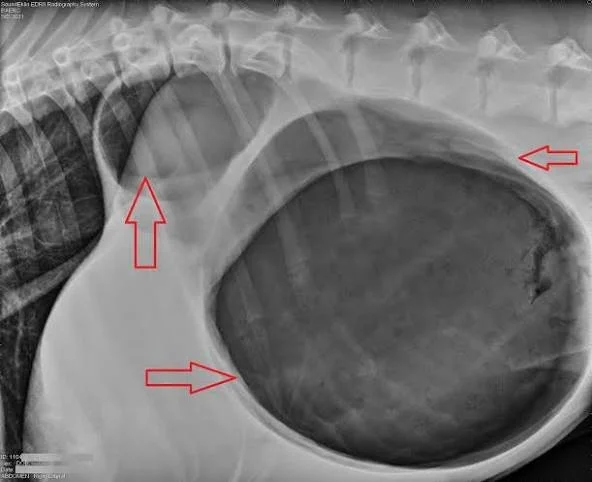
Bloat in Dogs (GDV): Symptoms, Causes, and Treatment
Bloat in dogs (GDV) is a life-threatening emergency where the stomach fills with gas and twists. Learn the symptoms, causes, and when to seek veterinary care.
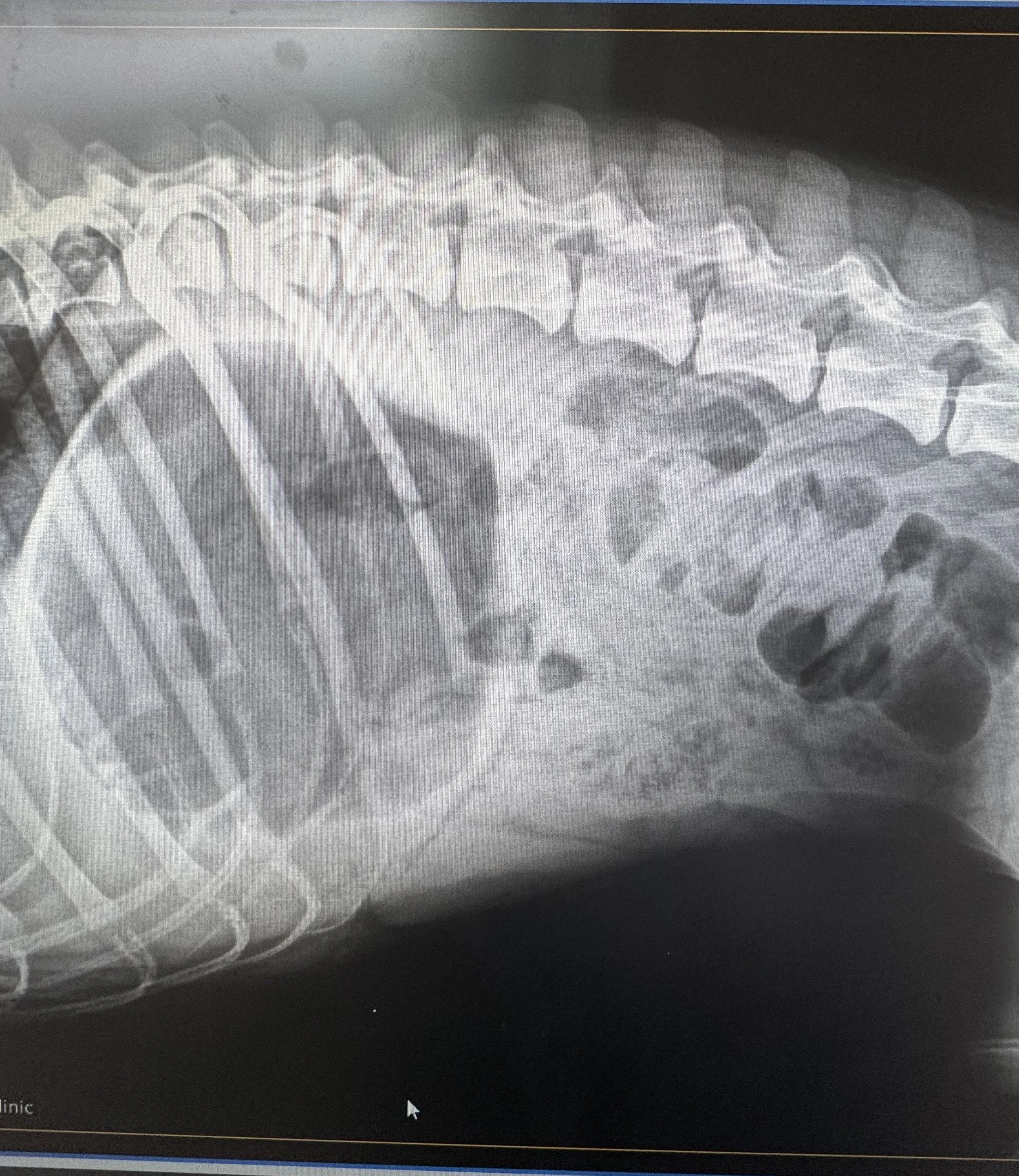
Intestinal Blockage in Dogs: Symptoms, Causes, and Treatment
Intestinal blockage in dogs is a dangerous condition that occurs when a swallowed object blocks the digestive tract. Learn the symptoms, causes, and treatment options.

Vomiting in Dogs: When to See a Veterinarian
Vomiting in dogs can be caused by diet changes, infections, pancreatitis, or intestinal blockage. Learn symptoms and when to see a veterinarian.

Pancreatitis in Dogs: Symptoms, Causes, and Treatment
Pancreatitis in dogs is a painful condition caused by inflammation of the pancreas. Learn the symptoms, common causes such as fatty foods, and when veterinary care is needed.

Dog Diarrhea: Causes, Treatment. When to See a Vet.
Dog diarrhea is a common digestive problem that may be caused by diet changes, infections, parasites, or intestinal disease. Learn the causes, symptoms, and when to seek veterinary care.