Dog Diarrhea: Causes, Treatment. When to See a Vet.
Understanding Dog Diarrhea: Causes and When to Consult Your Veterinarian
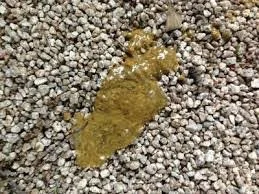
Diarrhea is one of the most common digestive problems seen in dogs. Many pet owners experience situations where their dog suddenly develops loose stools or frequent bowel movements. While mild diarrhea may resolve on its own, persistent or severe diarrhea can indicate an underlying medical problem.
Understanding the causes of diarrhea in dogs can help pet owners recognize when their dog needs veterinary care. In this article, we will discuss the most common causes of diarrhea, potential treatments, and when it is important to seek veterinary attention.
What Is Diarrhea in Dogs?
Diarrhea occurs when stool passes through the intestines too quickly and does not have time to absorb water properly. This results in loose, watery, or unusually frequent bowel movements.
Dogs with diarrhea may also show additional symptoms such as abdominal discomfort, urgency to defecate, or mucus and blood in the stool.
While occasional diarrhea can occur due to minor digestive upset, repeated episodes may signal infection, inflammation, parasites, or other diseases affecting the digestive system.
Common Symptoms of Diarrhea in Dogs
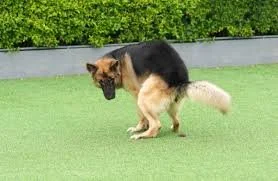
Dogs with diarrhea may display several signs of digestive distress.
Common symptoms include:
• loose or watery stool
• frequent bowel movements
• straining during defecation
• mucus or blood in stool
• vomiting
• loss of appetite
• lethargy
• dehydration
Monitoring these symptoms can help determine the severity of the condition.
Common Causes of Diarrhea in Dogs
Many different conditions can lead to diarrhea. Some are mild and temporary, while others require veterinary treatment.
Sudden Diet Changes
A sudden change in food is one of the most common causes of diarrhea in dogs.
When a dog’s digestive system is introduced to a new diet too quickly, it may react with digestive upset. Gradually transitioning to new food over several days can help prevent this problem.
Dietary Indiscretion
Dogs often eat things they should not, including garbage, spoiled food, plants, or table scraps.
This behavior, sometimes called “garbage gut,” can irritate the digestive system and cause diarrhea and vomiting.
Food Allergies or Intolerances
Some dogs develop sensitivity to certain ingredients in their food.
Common food allergens include:
• beef
• chicken
• dairy
• wheat
• soy
Food allergies may cause chronic digestive issues along with itching or ear infections.
Intestinal Parasites
Parasites are a common cause of diarrhea, particularly in puppies.
Common parasites include:
• roundworms
• hookworms
• whipworms
• Giardia
• coccidia
These organisms live in the intestinal tract and interfere with normal digestion.
Bacterial Infections
Certain bacteria can infect the digestive tract and cause inflammation.
Examples include:
• Salmonella
• Campylobacter
• Clostridium
Bacterial infections may result in diarrhea, abdominal discomfort, and fever.
Viral Diseases
Some viral infections can cause severe intestinal damage.
One of the most serious is canine parvovirus, which causes vomiting, bloody diarrhea, and dehydration.
Vaccination is essential for preventing this dangerous disease.
Stress
Stress can affect a dog’s digestive system and lead to diarrhea.
Situations that may trigger stress include:
• boarding
• travel
• new environments
• changes in routine
Stress-related diarrhea is usually temporary.
Inflammatory Bowel Disease
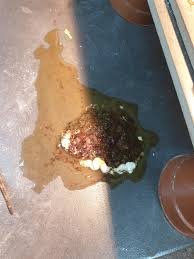
Inflammatory bowel disease (IBD) is a chronic condition in which the immune system causes inflammation in the intestinal lining.
Symptoms may include:
• chronic diarrhea
• vomiting
• weight loss
• reduced appetite
Treatment often involves dietary management and medication.
Diagnosing Diarrhea in Dogs
When diarrhea persists or becomes severe, veterinarians may perform diagnostic tests to determine the cause.
These tests may include:
Physical Examination
The veterinarian evaluates hydration levels, abdominal pain, and overall health.
Fecal Testing
A stool sample is examined to detect parasites or infection.
Blood Tests
Blood work can help identify inflammation, infection, or organ dysfunction.
X-rays
Radiographs may reveal intestinal obstruction or abnormal structures.
Ultrasound
Ultrasound imaging allows veterinarians to examine abdominal organs in detail.
Treatment for Diarrhea in Dogs
Treatment depends on the underlying cause and severity of the condition.
Common treatments include:
Fluid Therapy
Dogs with diarrhea may lose significant amounts of fluid. Veterinary fluid therapy helps prevent dehydration.
Medications
Veterinarians may prescribe medications to:
• control diarrhea
• reduce intestinal inflammation
• treat infection
• eliminate parasites
Dietary Management
A bland diet may help the digestive tract recover.
Common recommendations include easily digestible foods such as:
• boiled chicken
• white rice
• veterinary prescription diets
Probiotics
Probiotics may help restore healthy bacteria in the digestive tract.
Preventing Diarrhea in Dogs
Several steps can reduce the risk of digestive upset.
Feed High-Quality Dog Food
Choose a balanced diet appropriate for your dog’s age and health.
Introduce Diet Changes Gradually
Transition to new foods over 5–7 days.
Prevent Access to Garbage
Dogs should not eat spoiled food or foreign objects.
Parasite Prevention
Routine deworming and fecal testing protect intestinal health.
Vaccination
Vaccinations help prevent serious viral diseases such as parvovirus.
When Diarrhea Becomes an Emergency
Some symptoms require immediate veterinary attention.
Contact your veterinarian if your dog has:
• severe diarrhea
• bloody stool
• repeated vomiting
• weakness or collapse
• dehydration
• diarrhea lasting longer than 24 hours
Prompt treatment can prevent complications and help dogs recover more quickly.
Frequently Asked Questions About Dog Diarrhea
What causes sudden diarrhea in dogs?
Sudden diarrhea often occurs from dietary indiscretion, infections, parasites, or sudden diet changes.
How long should diarrhea last in dogs?
Mild diarrhea may resolve within 24 hours. Persistent diarrhea should be evaluated by a veterinarian.
Can parasites cause diarrhea in dogs?
Yes. Intestinal parasites are a common cause of diarrhea, especially in puppies.
Can stress cause diarrhea in dogs?
Yes. Stress from travel, boarding, or environmental changes may temporarily upset a dog’s digestive system.
When should I take my dog to the veterinarian for diarrhea?
You should seek veterinary care if diarrhea persists longer than a day, contains blood, or is accompanied by vomiting or lethargy.
Related Dog Health Articles
You may also find these veterinary articles helpful:
• Intestinal Problems in Dogs
• Vomiting in Dogs: Causes and When to See a Veterinarian
• Pancreatitis in Dogs
• Food Allergies in Dogs
• Emergency Medicine for Pets
Final Thoughts
Diarrhea is a common digestive issue in dogs, but persistent symptoms should never be ignored. While mild cases may resolve quickly, ongoing diarrhea can indicate infection, parasites, inflammation, or other underlying medical conditions.
If your dog develops prolonged diarrhea, vomiting, or signs of dehydration, veterinary evaluation is important. Early diagnosis and treatment help protect your dog’s health and ensure a faster recovery.
