Digestive Problems in Dogs: A Complete Guide for Pet Owners
Digestive Problems in Dogs: A Complete Guide for Pet Owners
Digestive problems are one of the most common health concerns in dogs. Many pet owners notice symptoms such as vomiting, diarrhea, loss of appetite, or stomach discomfort at some point in their dog’s life. While some digestive issues are mild and temporary, others may signal more serious medical conditions that require veterinary care.
Understanding the causes, symptoms, and treatment options for digestive problems can help you recognize when your dog needs medical attention. In this guide, we’ll explain the most common digestive disorders in dogs and what you can do to help protect your pet’s health.
How the Digestive System Works in Dogs
A dog’s digestive system is responsible for breaking down food, absorbing nutrients, and eliminating waste. The process begins in the mouth and continues through several organs including:
Mouth and teeth
Esophagus
Stomach
Small intestine
Large intestine
Liver and pancreas
These organs work together to digest food and provide the body with essential nutrients and energy.
When any part of the digestive system becomes irritated, infected, or blocked, dogs may develop symptoms such as vomiting, diarrhea, abdominal pain, or loss of appetite.
Common Signs of Digestive Problems in Dogs
Digestive disorders can present in many ways. Some symptoms may appear suddenly, while others develop gradually over time.
Common signs include:
• Vomiting
• Diarrhea
• Loss of appetite
• Abdominal pain or bloating
• Excessive drooling
• Weight loss
• Lethargy
• Gas or stomach noises
If symptoms persist for more than a day or become severe, it is important to contact a veterinarian.
Common Digestive Problems in Dogs
Several conditions can affect a dog’s digestive system. Some are mild and resolve quickly, while others require veterinary treatment.
Vomiting in Dogs

Vomiting is one of the most common digestive symptoms seen in dogs. It can occur for many reasons, including dietary indiscretion, infections, toxins, or underlying medical conditions.
Occasional vomiting may occur if a dog eats something that irritates the stomach. However, frequent vomiting can lead to dehydration and may indicate a more serious problem.
Possible causes include:
• eating spoiled food
• sudden diet changes
• intestinal parasites
• infections
• pancreatitis
• toxin exposure
Persistent vomiting should always be evaluated by a veterinarian.
Diarrhea in Dogs

Diarrhea occurs when the intestines become inflamed or irritated. It can result in loose or watery stool and sometimes contains mucus or blood.
Common causes include:
• dietary changes
• food intolerance
• bacterial infections
• intestinal parasites
• stress
• viral diseases such as parvovirus
Mild diarrhea may resolve within 24 hours, but prolonged symptoms require veterinary evaluation.
Pancreatitis
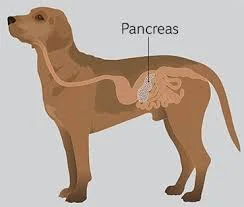
Pancreatitis occurs when the pancreas becomes inflamed. This organ plays an important role in digestion by producing enzymes that help break down food.
Dogs with pancreatitis may show symptoms such as:
• vomiting
• abdominal pain
• lethargy
• loss of appetite
• fever
Pancreatitis can range from mild to life-threatening and often requires veterinary treatment.
Intestinal Blockage
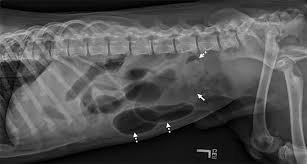
Intestinal blockages occur when foreign objects become stuck in the digestive tract. Dogs may swallow items such as toys, bones, socks, or other objects that cannot pass through the intestines.
Symptoms may include:
• vomiting
• abdominal pain
• inability to pass stool
• lethargy
• loss of appetite
Intestinal obstruction is a serious condition that may require surgery.
Bloat (Gastric Dilatation-Volvulus)
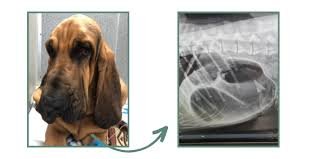
Bloat is a life-threatening condition in which the stomach fills with gas and may twist on itself. This prevents normal blood flow and digestion.
Symptoms may include:
• swollen abdomen
• restlessness
• drooling
• unsuccessful attempts to vomit
• weakness or collapse
Bloat is a medical emergency that requires immediate veterinary care.
Causes of Digestive Problems in Dogs
Many different factors can lead to digestive disorders. Some of the most common causes include:
Dietary Changes
Sudden changes in food can upset a dog’s digestive system. It is best to introduce new foods gradually over several days.
Eating Inappropriate Items
Dogs often eat things they should not, including garbage, spoiled food, or non-food objects.
Food Allergies
Some dogs develop sensitivities or allergies to certain ingredients in their diet.
Infections
Bacteria, viruses, and parasites can infect the digestive tract.
Toxins
Certain foods and substances are toxic to dogs and may cause digestive distress.
Stress
Changes in environment or routine can sometimes affect digestion.
When to See a Veterinarian
Some digestive problems are mild, but others require medical attention. You should contact your veterinarian if your dog experiences:
• repeated vomiting
• diarrhea lasting more than 24 hours
• blood in vomit or stool
• severe abdominal pain
• weakness or collapse
• inability to eat or drink
Early veterinary care can help prevent complications and speed recovery.
How Veterinarians Diagnose Digestive Disorders
Veterinarians use several diagnostic tools to identify digestive problems.
These may include:
• physical examination
• blood tests
• fecal testing
• abdominal X-rays
• ultrasound imaging
• endoscopy or biopsy
These tests help determine the cause of the problem and guide treatment decisions.
Treatment Options for Digestive Problems
Treatment depends on the underlying cause of the condition.
Common treatments include:
Dietary Management
Special diets may be recommended to support digestive health.
Medications
Medications may be used to control vomiting, diarrhea, inflammation, or infection.
Fluid Therapy
Dogs with dehydration may require intravenous fluids.
Surgery
Serious conditions such as intestinal blockages or bloat may require surgical intervention.
Preventing Digestive Problems in Dogs
While not all digestive issues can be prevented, several steps can reduce the risk.
Feed a Balanced Diet
Choose high-quality dog food appropriate for your dog’s age and health.
Avoid Sudden Diet Changes
Introduce new foods gradually.
Prevent Access to Garbage
Dogs should not have access to spoiled food or foreign objects.
Maintain Regular Veterinary Care
Routine examinations help detect problems early.
Monitor Your Dog’s Behavior
Changes in appetite or digestion should be taken seriously.
Frequently Asked Questions About Digestive Problems in Dogs
What are the most common digestive problems in dogs?
The most common digestive issues include vomiting, diarrhea, pancreatitis, intestinal blockages, and dietary intolerance.
Why does my dog vomit occasionally?
Occasional vomiting may occur if a dog eats too quickly, consumes spoiled food, or experiences mild stomach irritation.
How long should diarrhea last in dogs?
Mild diarrhea may resolve within 24 hours, but persistent diarrhea should be evaluated by a veterinarian.
Can digestive problems be life-threatening?
Yes. Conditions such as intestinal blockages, bloat, and severe infections can be life-threatening without prompt treatment.
What should I do if my dog shows digestive symptoms?
If symptoms are severe or persist for more than a day, contact your veterinarian for evaluation.
Related Dog Health Articles
You may also find these veterinary articles helpful:
• Vomiting in Dogs: Causes and Treatment
• Pancreatitis in Dogs
• Intestinal Blockage in Dogs
• Emergency Medicine for Pets
• Food Allergies in Dogs
Final Thoughts
Digestive problems in dogs are common but should never be ignored. While some cases are mild and temporary, others may indicate serious underlying conditions.
If your dog develops persistent vomiting, diarrhea, abdominal pain, or changes in appetite, it is important to seek veterinary care. Early diagnosis and treatment can help protect your dog’s health and ensure a faster recovery.
Regular veterinary visits, proper nutrition, and attentive care are key to maintaining a healthy digestive system and helping your dog live a long, happy life.
