Dog Abscess: Causes, Symptoms, Treatment, and Prevention
Dog Abscess: Causes, Symptoms, Treatment, and Prevention (Complete Pet Owner Guide)
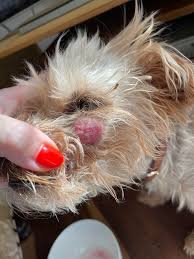
If you’re a dog owner, noticing a swollen lump on your dog can be alarming. One common cause of these lumps is a dog abscess. Abscesses can appear suddenly and may cause pain, swelling, and infection if not treated properly. Understanding the causes, symptoms, treatment options, and prevention strategies can help keep your dog healthy and comfortable.
This guide explains everything you need to know about dog abscesses and what to do if your pet develops one.
What Is a Dog Abscess?
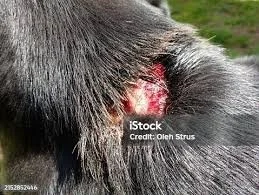
A dog abscess is a pocket of pus that forms under the skin due to infection. It usually develops when bacteria enter the body through a wound, bite, scratch, or foreign object.
The body reacts to infection by creating a pocket filled with:
White blood cells
Dead tissue
Bacteria
Fluid and pus
This pocket becomes swollen and painful as the infection grows.
Abscesses can appear anywhere on a dog’s body but are most commonly found on the:
Face
Neck
Legs
Tail
Anal area
Mouth
If left untreated, abscesses may rupture and spread infection.
Common Causes of Dog Abscesses
Several situations can lead to a dog developing an abscess.
1. Animal Bites
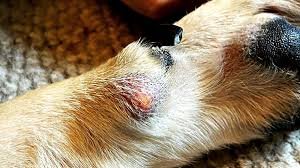
One of the most common causes is a bite from another dog or animal. Bite wounds often seal quickly at the surface while bacteria remain trapped underneath the skin, creating the perfect environment for infection.
Dogs that frequently play with other animals or roam outdoors are more likely to develop bite abscesses.
2. Puncture Wounds
Sharp objects such as sticks, thorns, or debris can puncture the skin and introduce bacteria.
These wounds may appear small on the outside but can lead to infection beneath the surface.
3. Dental Infections
Dental disease can cause tooth root abscesses, which develop in the gums or jaw. These abscesses may cause swelling on the face or below the eye.
Signs of dental abscesses include:
Bad breath
Difficulty eating
Drooling
Facial swelling
4. Blocked Anal Glands
Dogs have two small glands near the anus that produce scent secretions. When these glands become blocked, infected, or impacted, they can form an anal gland abscess.
This condition can be painful and may cause:
Scooting on the floor
Licking the rear area
Swelling near the anus
5. Foreign Objects
Grass seeds, splinters, or small debris stuck under the skin can cause infection that eventually forms an abscess.
These are common in the paws or between toes.
Symptoms of a Dog Abscess
Abscess symptoms may vary depending on the location and severity of the infection.
Common signs include:
Swelling or Lump
The most noticeable sign is a swollen bump that may feel warm or firm.
Pain or Sensitivity
Dogs may react when the area is touched.
Redness and Heat
Inflammation around the area often causes redness and warmth.
Pus or Fluid Drainage
If the abscess ruptures, you may see pus or bloody discharge.
Lethargy
Dogs with infections may feel tired or weak.
Fever
Severe infections can cause fever.
Loss of Appetite
Pain and illness can reduce appetite.
What Does a Dog Abscess Look Like?
Dog abscesses often appear as:
A soft swelling under the skin
A red or inflamed bump
A lump that grows over several days
Sometimes the abscess bursts, releasing pus and leaving an open wound.
The pus may have a strong, unpleasant odor due to bacteria.
When to See a Veterinarian
While some minor abscesses may drain on their own, veterinary care is strongly recommended.
You should contact a veterinarian if:
The swelling grows larger
Your dog appears in pain
There is fever or lethargy
The abscess is near the eye or mouth
The wound continues draining
Your dog stops eating
Untreated abscesses can lead to serious infections.
How Veterinarians Treat Dog Abscesses
Treatment depends on the location and severity of the abscess.
Draining the Abscess
Most abscesses require draining. A veterinarian will:
Clean the area
Open the abscess
Drain the pus
Flush the wound with antiseptic solution
This removes infected material and helps healing begin.
Antibiotics
Dogs are often prescribed antibiotics to eliminate remaining bacteria.
Medication is typically given for 7–14 days depending on the infection.
Pain Relief
Pain medications or anti-inflammatory drugs may be prescribed to keep your dog comfortable.
Surgical Treatment
In severe cases or recurring abscesses, surgery may be needed to remove infected tissue or treat underlying causes.
How Long Does It Take a Dog Abscess to Heal?
Healing time varies depending on the infection severity and treatment.
Typical recovery timeline:
Minor abscess: 5–10 days
Moderate abscess: 10–14 days
Severe infection: 2–3 weeks
Proper wound care helps speed recovery.
Home Care for Dog Abscess Recovery
After veterinary treatment, home care plays an important role.
Keep the Area Clean
Clean the wound as directed by your veterinarian. Warm compresses may help promote drainage.
Prevent Licking
Dogs may try to lick the wound, which can introduce bacteria. An Elizabethan collar (cone) may be needed.
Follow Medication Instructions
Always complete the full course of antibiotics.
Monitor the Wound
Watch for signs of recurring infection such as swelling or discharge.
Can Dog Abscesses Heal Without Treatment?
Some abscesses rupture and drain on their own, but this does not mean the infection is gone.
Without treatment:
Infection may spread
The abscess may return
Bacteria can enter the bloodstream
Veterinary care is always the safest option.
Preventing Dog Abscesses
While not all abscesses are preventable, several steps reduce risk.
Regular Grooming
Check your dog regularly for cuts, wounds, or swelling.
Maintain Dental Health
Brush your dog’s teeth and schedule routine dental cleanings.
Keep Wounds Clean
Clean any scratches or cuts immediately to prevent infection.
Monitor Outdoor Activity
Dogs that roam freely are more likely to get bite wounds or punctures.
Routine Veterinary Exams
Regular checkups help catch infections early.
Are Some Dogs More Prone to Abscesses?
Certain dogs may have a higher risk of abscesses, including:
Dogs that fight with other animals
Outdoor dogs
Dogs with dental disease
Breeds prone to anal gland issues
Keeping up with grooming and veterinary care helps reduce risk.
Final Thoughts: Protecting Your Dog’s Health
Dog abscesses are common but treatable infections. Early detection and veterinary care can prevent complications and help your dog recover quickly.
If you notice swelling, discharge, or signs of infection, contact your veterinarian promptly.
By maintaining good hygiene, monitoring wounds, and scheduling regular veterinary visits, you can help keep your dog healthy and comfortable.
Swelling or a lump on your dog could be more than just a bump. It might be a dog abscess caused by infection. 🐾
Frequently Asked Questions About Dog Abscess
What causes an abscess in dogs?
A dog abscess is usually caused by a bacterial infection that enters the body through a bite wound, puncture, scratch, or foreign object such as a splinter or grass seed. The body responds to the infection by forming a pocket of pus under the skin.
What does a dog abscess look like?
A dog abscess typically appears as a swollen lump under the skin. The area may feel warm, red, and painful to the touch. In some cases the abscess may rupture and drain pus or fluid.
Are dog abscesses painful?
Yes. Abscesses can be painful because of pressure from swelling and infection. Dogs with an abscess may show discomfort, lick the area frequently, or react when the area is touched.
Can a dog abscess heal on its own?
Some abscesses may rupture and drain on their own, but veterinary treatment is usually recommended. Without proper treatment, the infection can spread or return.
How long does a dog abscess take to heal?
With proper veterinary treatment, most dog abscesses heal within 7 to 14 days. More severe infections may take longer depending on the size and location of the abscess.
Should I take my dog to the vet for an abscess?
Yes. A veterinarian can safely drain the abscess, clean the wound, and prescribe antibiotics if necessary. Early treatment helps prevent complications and speeds healing.
Can a dog abscess burst?
Yes. A dog abscess may rupture when pressure from infection builds up under the skin. When it bursts, pus and fluid may drain from the wound. Veterinary care is still recommended to properly clean and treat the infection.
Can dental disease cause abscesses in dogs?
Yes. Dental infections can lead to tooth root abscesses, which often cause swelling in the face, jaw, or below the eye.
Can a dog abscess spread infection?
Yes. If untreated, the bacteria inside an abscess can spread to surrounding tissue or enter the bloodstream, potentially causing more serious illness.
How can dog abscesses be prevented?
Preventing dog abscesses involves keeping wounds clean, monitoring your dog for cuts or injuries, maintaining good dental care, and seeking veterinary care when swelling or infection is noticed.
