Hamartomas in Dogs: Causes, Symptoms, and Treatment
Understanding Hamartomas in Dogs: Causes, Symptoms, and Treatments
By Dr. Roger Hart – Bushnell Animal Clinic
Many dog owners become concerned when they discover a lump or unusual growth on their pet’s skin. While some lumps require prompt medical attention, others are benign conditions that pose little risk to your dog’s health. One such condition is a hamartoma, a type of benign growth that can appear on the skin or within other tissues.
Although hamartomas are not as widely recognized as lipomas or cysts, they are occasionally seen in veterinary practice and can cause understandable concern for pet owners. Understanding what hamartomas are, how they develop, and when veterinary care is necessary can help dog owners make informed decisions about their pet’s health.
At Bushnell Animal Clinic, Dr. Roger Hart regularly evaluates skin lumps and growths in dogs to determine their cause and ensure pets receive appropriate care.
This guide explains what canine hamartomas are, how they differ from tumors, and how veterinarians diagnose and manage these benign growths.
What Is a Hamartoma?
A hamartoma is a benign growth made up of normal tissue that develops in an abnormal arrangement. Unlike tumors, which involve uncontrolled cell growth, hamartomas are composed of the same types of cells normally found in the area where they appear.
However, the tissue is organized irregularly, forming a small mass or lesion.
In dogs, hamartomas most commonly affect:
Skin
Blood vessels
Hair follicles
Connective tissue
These growths are typically non-cancerous and do not spread to other parts of the body.
How Hamartomas Differ from Tumors
Hamartomas are often confused with tumors because they can appear as lumps or growths. However, there are important differences.
Hamartomas
Composed of normal tissue
Non-cancerous
Usually slow growing
Often present since birth or early development
Tumors
Abnormal cell growth
May be benign or malignant
Can grow aggressively
May spread to other tissues
Because hamartomas can resemble other types of lumps, veterinary examination is important to confirm the diagnosis.
Types of Hamartomas in Dogs
Hamartomas can develop in different tissues throughout the body. The most commonly reported types in dogs include:
Vascular Hamartomas
These involve abnormal growth of blood vessels and may appear as reddish or purplish skin lesions.
Follicular Hamartomas
These growths arise from hair follicles and may appear as small nodules on the skin.
Connective Tissue Hamartomas
These involve abnormal growth of connective tissue such as collagen.
While these conditions are rare compared with other skin growths, they can still occur in dogs of various breeds and ages.
Causes of Hamartomas in Dogs
The exact cause of hamartomas is not always clear, but they are generally believed to develop due to developmental abnormalities during tissue formation.
Possible contributing factors include:
Congenital Development
Some hamartomas are present at birth or develop early in life due to abnormal tissue organization.
Genetic Factors
Certain genetic influences may increase the likelihood of developing these benign growths.
Tissue Growth Abnormalities
Occasionally, localized growth irregularities may cause clusters of normal cells to accumulate in an unusual pattern.
Unlike many tumors, hamartomas are not typically linked to environmental factors or infections.
What Do Hamartomas Look Like?
Hamartomas may vary in appearance depending on the tissue involved.
Common characteristics include:
Small raised lumps
Smooth or slightly irregular surface
Slow growth
Firm or soft texture
Skin-colored or slightly darker lesions
These growths are usually painless and may remain stable in size for long periods.
Some hamartomas may resemble other benign skin masses such as:
Lipomas
Sebaceous cysts
Skin tags
Papillomas
Because many lumps can look similar, professional evaluation is recommended.
Symptoms of Hamartomas
In most cases, hamartomas cause no symptoms other than the visible growth itself.
However, depending on their size or location, some dogs may experience:
Skin irritation
Mild swelling
Occasional bleeding if traumatized
Hair loss over the lesion
If the growth is located in an area subject to friction or scratching, irritation may occur.
How Veterinarians Diagnose Hamartomas
Accurate diagnosis is essential when evaluating skin lumps in dogs. At Bushnell Animal Clinic, veterinarians use several methods to determine the nature of a growth.
Physical Examination
The veterinarian will first evaluate:
Size and shape of the growth
Texture
Location
Mobility under the skin
These characteristics can provide valuable clues.
Fine Needle Aspirate
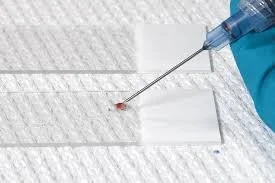
A small needle may be used to collect cells from the lump for microscopic examination.
Biopsy
If the diagnosis remains uncertain, a biopsy may be performed. This involves removing a small tissue sample for laboratory analysis.
Biopsy results help confirm whether the growth is a hamartoma or another type of skin lesion.
Treatment Options for Hamartomas
Because hamartomas are benign, treatment is often unnecessary.
However, veterinary intervention may be recommended if the growth:
Continues to enlarge
Causes irritation
Bleeds repeatedly
Interferes with normal movement
Becomes infected
Surgical Removal
If removal is necessary, surgery is usually straightforward. The growth is excised, and the tissue is submitted for histopathological analysis.
Most dogs recover quickly following removal.
Prognosis for Dogs with Hamartomas
The prognosis for dogs with hamartomas is excellent.
Because these growths are benign and do not spread to other tissues, they rarely cause serious health problems.
Once removed, hamartomas usually do not recur.
In many cases, dogs live comfortably with small hamartomas that never require treatment.
Monitoring Skin Lumps at Home
Pet owners should regularly check their dog’s skin while grooming or petting them.
Helpful monitoring tips include:
Feeling for new lumps or bumps
Observing changes in size or shape
Checking for redness or swelling
Taking photos to track growth over time
If any changes occur, a veterinary exam is recommended.
When Should You See a Veterinarian?
Even though hamartomas are benign, any new lump should be evaluated by a veterinarian.
You should schedule an exam if you notice:
A rapidly growing lump
Pain or tenderness
Bleeding or ulceration
Changes in color
Signs of infection
Early evaluation ensures accurate diagnosis and peace of mind.
Veterinary Care at Bushnell Animal Clinic
At Bushnell Animal Clinic, Dr. Roger Hart provides comprehensive care for pets with skin conditions and lumps.
Services include:
Skin and lump evaluation
Fine needle aspirate testing
Biopsy and diagnostic procedures
Surgical removal of skin masses
Preventive veterinary care
The goal is to ensure pets remain healthy while giving pet owners clear information about their pet’s condition.
Final Thoughts
Hamartomas are benign growths composed of normal tissue arranged in an unusual pattern. While they can appear as lumps on a dog’s skin, they are generally harmless and rarely require treatment.
Nevertheless, any new lump or skin growth should be evaluated by a veterinarian to ensure an accurate diagnosis.
If you notice an unusual lump on your dog, scheduling an examination with Dr. Roger Hart at Bushnell Animal Clinic can help determine the cause and provide peace of mind.
Early veterinary care helps ensure that your dog remains healthy and comfortable throughout their life. 🐾
Here is a clean copy-paste FAQ section you can add to the bottom of your Dog Hamartoma blog post. It is written for pet owners and Google SEO, similar to the dog abscess FAQ.
Frequently Asked Questions About Dog Hamartomas
What is a hamartoma in dogs?
A hamartoma is a benign (non-cancerous) growth made up of normal tissue that develops in an abnormal arrangement. In dogs, hamartomas often appear as small lumps or growths on the skin.
Are hamartomas in dogs cancerous?
No. Hamartomas are considered benign growths and are not cancer. However, they can sometimes resemble tumors or other skin masses, so veterinary evaluation is recommended.
What does a dog hamartoma look like?
A hamartoma often appears as a small raised lump or wart-like growth on the skin. It may be smooth or slightly irregular and usually grows slowly over time.
Where do hamartomas usually occur in dogs?
Hamartomas most commonly appear on the skin, especially on the head, neck, or limbs. They may also develop in other tissues depending on the type of hamartoma.
Do hamartomas cause pain in dogs?
Most hamartomas are not painful and do not bother the dog. However, if the growth becomes irritated, infected, or located in an area that rubs frequently, it may cause discomfort.
How are hamartomas diagnosed in dogs?
Veterinarians usually diagnose hamartomas by examining the growth and may recommend a biopsy or surgical removal so the tissue can be examined under a microscope.
Do hamartomas need to be removed?
Not always. If the hamartoma is small and not causing problems, it may simply be monitored. Removal may be recommended if the growth changes, becomes irritated, or interferes with normal activity.
Can hamartomas grow larger over time?
Yes. Hamartomas may slowly increase in size over time. Although they are benign, growth changes should be evaluated by a veterinarian.
Can a hamartoma return after removal?
In most cases, hamartomas do not return after complete surgical removal. However, monitoring the area is still recommended.
When should I see a veterinarian about a lump on my dog?
Any new lump or growth on a dog should be examined by a veterinarian. Early evaluation helps determine whether the mass is benign, such as a hamartoma, or another type of growth that requires treatment.
Related Dog Health Articles
If you found this article helpful, you may also want to read these related veterinary topics:
• Dog Lump Under Skin
• Dog Sebaceous Cyst
• Dog Abscess
• Dog Papilloma Virus
• Dog Skin Infection
• Dog Mammary Tumor
• Lipoma in Dogs
• Dog Skin Growths
• Dog Warts
• When to Worry About a Lump on Your Dog
