Pancreatitis in Dogs: Symptoms, Causes, and Treatment
Pancreatitis in Dogs: Symptoms, Causes, and Treatment

Pancreatitis is a common but potentially serious condition affecting dogs. It occurs when the pancreas becomes inflamed, interfering with the normal digestive process. Because the pancreas plays an important role in digestion and blood sugar regulation, inflammation of this organ can cause significant illness.
Some dogs experience mild cases of pancreatitis that resolve with treatment, while others develop severe disease requiring hospitalization. Recognizing the symptoms early and seeking veterinary care can greatly improve outcomes.
This article explains what pancreatitis is, why it occurs, the symptoms to watch for, and how veterinarians diagnose and treat this condition.
What Is the Pancreas?
The pancreas is a small organ located near the stomach and small intestine. It has two important functions in the body.
Digestive Function
The pancreas produces enzymes that help break down fats, proteins, and carbohydrates in food.
Hormone Production
The pancreas also produces hormones such as insulin that regulate blood sugar levels.
When the pancreas becomes inflamed, digestive enzymes may activate prematurely and begin damaging the pancreas itself.
What Is Pancreatitis?
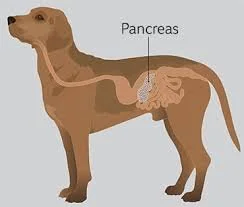
Pancreatitis refers to inflammation of the pancreas. The condition may occur suddenly (acute pancreatitis) or develop gradually over time (chronic pancreatitis).
Acute Pancreatitis
Acute pancreatitis appears suddenly and may range from mild to severe.
Chronic Pancreatitis
Chronic pancreatitis develops slowly and may cause repeated digestive problems.
Both forms can interfere with digestion and cause significant discomfort for affected dogs.
Symptoms of Pancreatitis in Dogs


Dogs with pancreatitis may show a variety of symptoms depending on the severity of the disease.
Common symptoms include:
• vomiting
• loss of appetite
• abdominal pain
• diarrhea
• lethargy
• fever
• dehydration
• hunched posture
• weakness
Some dogs develop a characteristic “prayer position,” stretching their front legs forward while keeping their rear elevated due to abdominal pain.
Causes of Pancreatitis in Dogs
Several factors may increase a dog’s risk of developing pancreatitis.
High-Fat Diets
Eating fatty foods is one of the most common triggers for pancreatitis.
Foods that may increase risk include:
• fatty table scraps
• bacon or greasy meat
• butter or oils
• rich human foods
After consuming a high-fat meal, some dogs develop inflammation of the pancreas.
Obesity
Overweight dogs are at higher risk for pancreatitis. Excess body fat can place additional stress on the pancreas and digestive system.
Certain Medications
Some medications may increase the risk of pancreatitis in susceptible dogs.
Endocrine Diseases
Conditions such as diabetes and Cushing’s disease may predispose dogs to pancreatic inflammation.
Genetic Factors
Certain breeds appear to be more prone to pancreatitis.
Breeds at higher risk include:
• Miniature Schnauzers
• Yorkshire Terriers
• Cocker Spaniels
• Dachshunds
Diagnosing Pancreatitis in Dogs
Diagnosing pancreatitis can be challenging because its symptoms overlap with many other digestive disorders.
Veterinarians may use several diagnostic tools.
Physical Examination
The veterinarian checks for abdominal pain, dehydration, and other signs of illness.
Blood Tests
Blood tests can detect inflammation and measure pancreatic enzyme levels.
Ultrasound
Ultrasound imaging helps visualize inflammation or swelling of the pancreas.
Additional Tests
In some cases additional testing may be needed to rule out other diseases.
Treatment for Pancreatitis
Treatment depends on the severity of the condition.
Many dogs require supportive care while the pancreas heals.
Fluid Therapy
Intravenous fluids help correct dehydration and maintain circulation.
Medications
Veterinarians may prescribe medications to control:
• vomiting
• nausea
• pain
• inflammation
Dietary Management
Dogs recovering from pancreatitis are often placed on a low-fat diet to reduce stress on the pancreas.
Hospitalization
Severe cases may require hospitalization for monitoring and supportive care.
Recovery from Pancreatitis
Recovery time varies depending on the severity of the disease.
Many dogs recover within several days with appropriate treatment, while more serious cases may require longer care.
Following your veterinarian’s recommendations for diet and medications is essential for recovery.
Preventing Pancreatitis in Dogs
While not all cases can be prevented, several steps can reduce risk.
Avoid Fatty Foods
Do not feed table scraps or greasy human foods.
Maintain Healthy Weight
Keeping your dog at an ideal weight helps protect digestive health.
Provide a Balanced Diet
Feed high-quality dog food appropriate for your pet’s age and health.
Routine Veterinary Care
Regular examinations help detect underlying health conditions early.
When Pancreatitis Becomes an Emergency
Some dogs develop severe pancreatitis requiring immediate veterinary attention.
Emergency signs include:
• persistent vomiting
• severe abdominal pain
• weakness or collapse
• dehydration
• refusal to eat or drink
Prompt veterinary treatment is essential for these cases.
Frequently Asked Questions About Pancreatitis in Dogs
What causes pancreatitis in dogs?
Pancreatitis is often triggered by high-fat foods, obesity, certain medications, or underlying diseases.
Is pancreatitis painful for dogs?
Yes. Pancreatitis can cause significant abdominal pain and discomfort.
Can pancreatitis be cured?
Many dogs recover from acute pancreatitis with treatment, but some may experience recurring episodes.
What should dogs with pancreatitis eat?
Veterinarians typically recommend a low-fat diet to reduce strain on the pancreas.
When should I take my dog to the veterinarian for pancreatitis symptoms?
If your dog shows persistent vomiting, abdominal pain, or lethargy, veterinary evaluation is important.
Related Dog Health Articles
You may also find these veterinary articles helpful:
• Intestinal Problems in Dogs
• Vomiting in Dogs: Causes and Treatment
• Dog Diarrhea: Causes and When to Worry
• Food Allergies in Dogs
• Emergency Medicine for Pets
Final Thoughts
Pancreatitis is a common digestive disorder that can affect dogs of all ages. While some cases are mild, others can become life-threatening without treatment.
Recognizing symptoms such as vomiting, abdominal pain, and loss of appetite can help pet owners seek veterinary care early. Proper diagnosis and treatment are essential to protect your dog’s health and ensure recovery.
Maintaining a healthy diet, preventing access to fatty foods, and scheduling regular veterinary visits can help reduce the risk of pancreatitis and support long-term digestive health.
