Bloat in Dogs (GDV): Symptoms, Causes, and Treatment
Bloat in Dogs (GDV): Symptoms, Causes, and Emergency Treatment
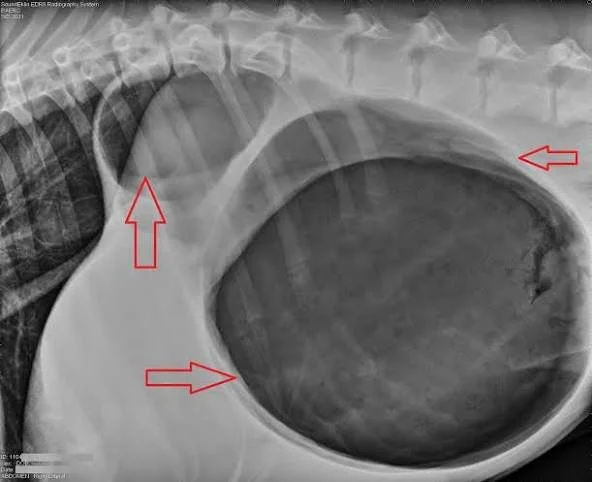
Bloat, also known as gastric dilatation-volvulus (GDV), is one of the most serious medical emergencies that can affect dogs. The condition occurs when the stomach fills with gas and twists, preventing normal blood flow and digestion.
Without immediate veterinary treatment, bloat can become fatal within a matter of hours. Recognizing the symptoms early and seeking emergency care can save a dog’s life.
Understanding the causes, warning signs, and treatment options for bloat is essential for every dog owner, especially those with large or deep-chested breeds.
What Is Bloat in Dogs?
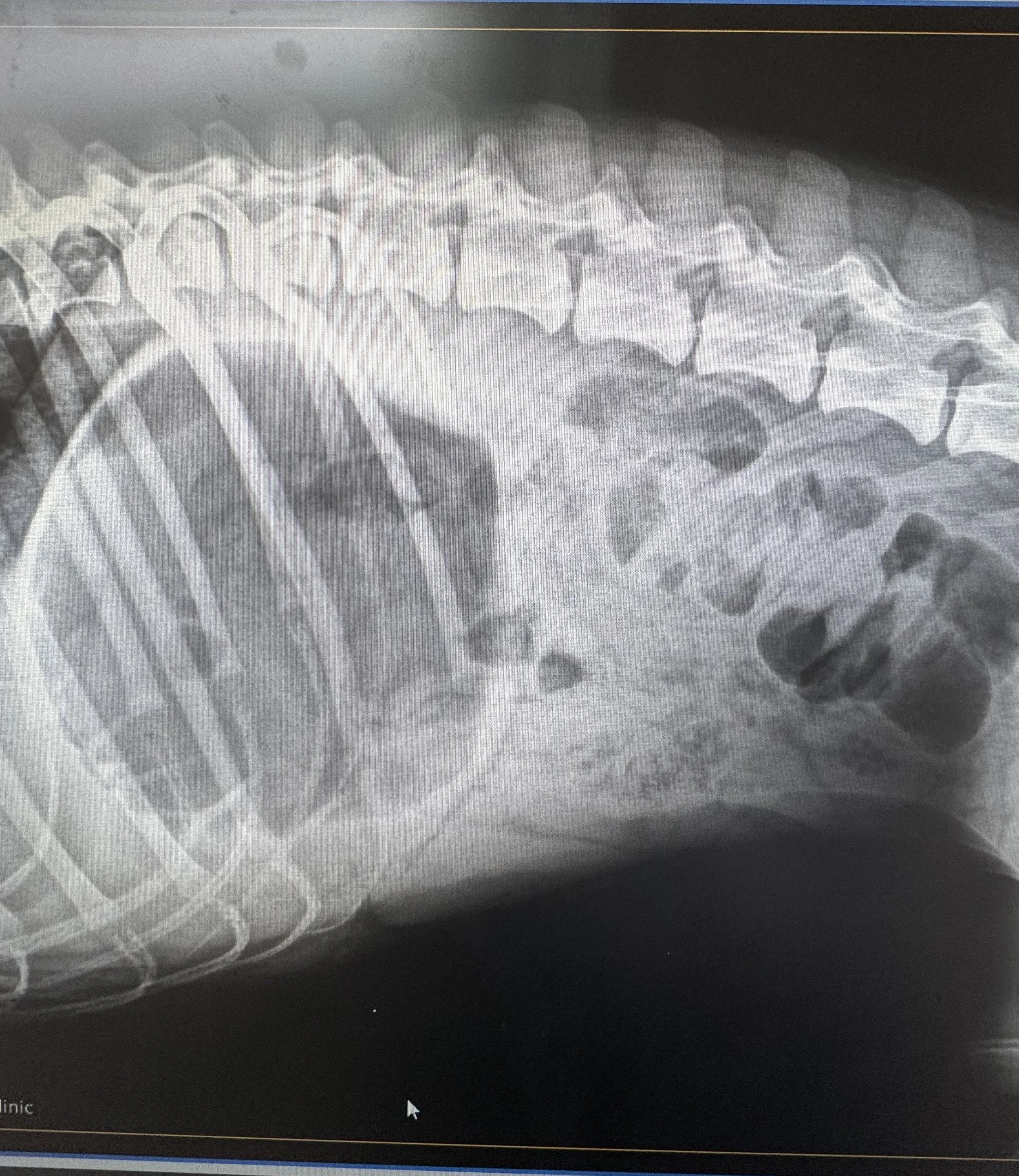
Bloat occurs when the stomach becomes filled with gas, food, or fluid and expands. In severe cases, the stomach may twist on itself. This twisting cuts off blood flow to the stomach and surrounding organs.
When this happens:
• food and gas cannot leave the stomach
• blood flow to vital organs is restricted
• the stomach becomes severely distended
This condition is called gastric dilatation-volvulus (GDV).
GDV is a true veterinary emergency requiring immediate surgery.
Why Bloat Is So Dangerous
Bloat is dangerous because it affects several critical body systems.
Restricted Blood Flow
When the stomach twists, it compresses major blood vessels that return blood to the heart.
Shock
Reduced circulation can quickly lead to life-threatening shock.
Organ Damage
The stomach and spleen may become damaged due to reduced blood supply.
Toxin Release
Damaged tissue can release toxins into the bloodstream.
Without treatment, these complications can become fatal.
Symptoms of Bloat in Dogs
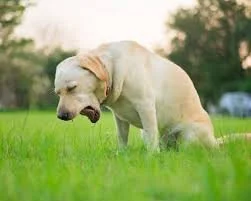
Dogs with bloat often show sudden and dramatic symptoms.
Common signs include:
• swollen or distended abdomen
• restlessness
• pacing
• excessive drooling
• attempts to vomit with no success
• abdominal pain
• rapid breathing
• weakness
• collapse
Dogs with bloat may repeatedly try to vomit but produce little or nothing.
If you notice these signs, seek emergency veterinary care immediately.
Dogs Most at Risk for Bloat
Although any dog can develop bloat, certain breeds have a higher risk.
Large and deep-chested breeds are most commonly affected.
Breeds at higher risk include:
• Great Danes
• German Shepherds
• Standard Poodles
• Doberman Pinschers
• Weimaraners
• Irish Setters
Older dogs also tend to have a higher risk of developing GDV.
Causes of Bloat in Dogs
The exact cause of bloat is not fully understood, but several factors are believed to increase risk.
Eating Too Quickly
Dogs that eat rapidly may swallow excess air while eating, which can contribute to stomach expansion.
Large Meals
Eating one large meal per day may increase the risk of stomach dilation.
Exercise After Eating
Vigorous activity immediately after meals may contribute to the development of bloat.
Stress or Anxiety
Stressful situations may affect digestion and increase susceptibility.
Genetics
Some dogs may have a genetic predisposition to bloat.
Diagnosing Bloat
Veterinarians diagnose bloat using several methods.
Physical Examination
The veterinarian evaluates abdominal distention, pain, and signs of shock.
X-rays
Radiographs are the most common diagnostic tool used to confirm GDV.
X-rays can reveal the characteristic twisted stomach.
Blood Tests
Blood tests help evaluate organ function and detect complications such as electrolyte imbalance.
Emergency Treatment for Bloat
Bloat requires immediate emergency care.
Treatment typically involves several steps.
Stabilization
Dogs with GDV often arrive in shock and require stabilization.
This may include:
• intravenous fluids
• oxygen therapy
• medications
Stomach Decompression
Veterinarians may insert a tube or needle into the stomach to release trapped gas and relieve pressure.
Surgery
Surgery is usually required to correct the twisted stomach.
During surgery:
• the stomach is repositioned
• damaged tissue is evaluated
• the stomach may be attached to the abdominal wall
This procedure is called a gastropexy, which helps prevent future twisting.
Recovery After GDV Surgery
Recovery depends on how quickly treatment was provided.
Most dogs remain hospitalized for several days after surgery for monitoring and supportive care.
Post-surgical care may include:
• pain management
• fluid therapy
• gradual return to feeding
• restricted activity
With prompt treatment, many dogs recover successfully.
Preventing Bloat in Dogs
Although not all cases can be prevented, several strategies may reduce risk.
Feed Smaller Meals
Feeding two or three smaller meals per day instead of one large meal may reduce risk.
Slow Down Eating
Using slow-feed bowls can help dogs eat more slowly.
Avoid Exercise After Meals
Dogs should rest for at least one hour after eating.
Maintain a Healthy Weight
Obesity may increase the risk of digestive disorders.
Preventive Gastropexy
Some high-risk dogs may benefit from a preventive surgical procedure called prophylactic gastropexy, which attaches the stomach to the abdominal wall to prevent twisting.
When to Seek Emergency Care
Bloat progresses quickly and requires immediate veterinary treatment.
Seek emergency care if your dog shows:
• abdominal swelling
• repeated attempts to vomit
• drooling
• restlessness
• weakness or collapse
Time is critical in treating GDV.
Frequently Asked Questions About Bloat in Dogs
What causes bloat in dogs?
Bloat occurs when the stomach fills with gas and twists, cutting off blood flow and preventing normal digestion.
How quickly does bloat develop?
Bloat can develop rapidly, sometimes within hours.
Can bloat be treated without surgery?
In most cases, surgery is required to correct the twisted stomach.
Which dogs are most at risk for bloat?
Large, deep-chested breeds such as Great Danes and German Shepherds have the highest risk.
How can I reduce my dog’s risk of bloat?
Feeding smaller meals, slowing down eating, and avoiding exercise after meals may help reduce risk.
Related Dog Health Articles
You may also find these veterinary articles helpful:
• Intestinal Problems in Dogs
• Vomiting in Dogs: Causes and Treatment
• Dog Diarrhea: Causes and When to Worry
• Pancreatitis in Dogs
• Intestinal Blockage in Dogs
• Emergency Medicine for Pets
Final Thoughts
Bloat is one of the most serious emergencies that can affect dogs. Because the condition progresses rapidly, recognizing the symptoms and seeking immediate veterinary care is essential.
Dog owners should be aware of risk factors and take preventive steps when possible. With early treatment and proper care, many dogs can recover successfully from this life-threatening condition.
Understanding bloat and other digestive disorders helps pet owners protect their dog’s health and respond quickly when emergencies occur.
.
