ACL Tear in Dogs: Symptoms, Diagnosis, Surgery, and Recovery
ACL Tear in Dogs: Symptoms, Diagnosis, Surgery, and Recovery
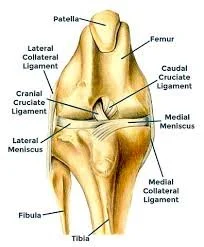
Limping is one of the most common reasons dogs visit the veterinarian, and one of the most frequent orthopedic causes is a torn ACL. In dogs, the ACL is called the cranial cruciate ligament (CCL). Injury to this ligament can cause sudden limping, knee instability, and significant discomfort.
Cruciate ligament injuries occur in dogs of all ages and breeds, but they are particularly common in active and large-breed dogs. Understanding the symptoms, diagnosis, and treatment options for ACL injuries can help pet owners recognize the problem early and seek appropriate veterinary care.
What Is the ACL in Dogs?
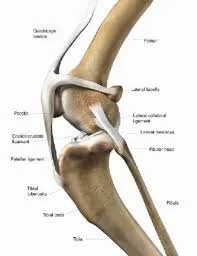
The cranial cruciate ligament is one of the most important stabilizing structures of the canine knee joint.
The ligament connects:
• the femur (thigh bone)
• the tibia (shin bone)
It helps stabilize the knee and prevents the tibia from sliding forward when the dog walks or runs.
When this ligament becomes torn or damaged, the knee joint becomes unstable. This instability causes inflammation, pain, and progressive joint damage if left untreated.
How ACL Tears Occur
Many pet owners assume that ACL tears occur only during traumatic injuries. While trauma can cause ligament rupture, many cruciate ligament injuries actually develop gradually.
In many dogs, the ligament weakens over time due to degenerative changes. Eventually, normal activity such as running or jumping may cause the ligament to tear.
Risk Factors for ACL Tears
Several factors can increase the risk of cruciate ligament injuries in dogs.
Breed Predisposition
Certain breeds appear to have a higher risk of ligament degeneration.
Commonly affected breeds include:
• Labrador Retrievers
• Rottweilers
• Golden Retrievers
• Boxers
• Bulldogs
• Newfoundlands
Excess Body Weight
Obesity significantly increases stress on joints and ligaments.
Dogs carrying excess weight place more strain on their knees during everyday movement, increasing the likelihood of ligament injury.
Age
Middle-aged dogs are commonly affected because degenerative changes in the ligament develop gradually over time.
Activity Level
Dogs that engage in high-energy activities such as running, jumping, and rapid turning may be more likely to experience ligament rupture.
Symptoms of ACL Tears
Dogs with cruciate ligament injuries often show obvious signs of discomfort.
Symptoms can appear suddenly or develop gradually.
Common signs include:
• sudden limping in a hind leg
• difficulty rising from a lying position
• reluctance to run or jump
• stiffness after rest
• swelling around the knee
• decreased activity
Some dogs may completely avoid placing weight on the affected limb.
Chronic ACL Injury
If a ligament tear is not treated, the instability in the knee joint can lead to long-term complications.
Chronic ACL injuries often result in:
• arthritis
• persistent limping
• muscle loss in the affected leg
Additionally, dogs that tear one cruciate ligament have a higher risk of tearing the ligament in the opposite leg.
Diagnosing ACL Tears in Dogs
Veterinarians diagnose cruciate ligament injuries through a combination of physical examination and diagnostic imaging.
Physical Examination
During the examination, the veterinarian evaluates the dog’s gait and carefully palpates the knee joint.
Special tests are used to assess joint stability, including:
• the cranial drawer test
• the tibial thrust test
These tests detect abnormal movement between the femur and tibia, which indicates ligament damage.
Radiographs (X-rays)
Although X-rays do not directly show the ligament itself, they provide valuable information about the joint.
Radiographs may reveal:
• joint swelling
• fluid accumulation
• early arthritis changes
X-rays also help rule out other causes of limping such as fractures or bone tumors.
Treatment Options for ACL Tears
Treatment recommendations depend on several factors, including:
• the dog’s size
• activity level
• severity of the injury
In many cases, surgical treatment provides the best long-term outcome.
Surgical Treatment
Several surgical techniques are used to stabilize the knee joint after a cruciate ligament tear.
TPLO Surgery
TPLO stands for Tibial Plateau Leveling Osteotomy.
This procedure changes the biomechanics of the knee joint by altering the angle of the tibial plateau.
By modifying the joint mechanics, the surgery stabilizes the knee even without an intact ligament.
TPLO surgery is commonly recommended for medium and large dogs.
Lateral Suture Stabilization
This technique involves placing a strong surgical suture outside the joint to mimic the function of the torn ligament.
This procedure is often used in smaller dogs.
TTA Surgery
TTA stands for Tibial Tuberosity Advancement.
This surgery alters the forces acting on the knee joint to restore stability.
Non-Surgical Treatment
In some small dogs, non-surgical management may be considered.
This approach may include:
• strict rest
• weight management
• anti-inflammatory medications
• physical rehabilitation
However, many dogs eventually require surgery for optimal long-term function.
Recovery After ACL Surgery
Recovery following cruciate ligament surgery typically takes several months.
Postoperative care includes:
• restricted activity
• leash walks only
• physical therapy exercises
• gradual return to normal activity
Most dogs regain excellent mobility and return to normal activity levels after recovery.
Long-Term Outlook
With proper treatment and rehabilitation, the prognosis for dogs with ACL injuries is generally very good.
Early diagnosis and appropriate treatment greatly improve outcomes.
Dogs that receive timely surgical treatment often return to normal activity and enjoy a good quality of life.
Preventing ACL Injuries
Although some cruciate ligament injuries occur due to genetics or degenerative changes, several strategies can reduce risk.
Maintain a Healthy Weight
Excess body weight places additional strain on joints and ligaments.
Regular Exercise
Moderate exercise strengthens muscles that support the knee joint.
Avoid Sudden High-Impact Activity
Abrupt twisting movements during running or jumping can increase ligament stress.
When to Contact a Veterinarian
Pet owners should seek veterinary care if their dog shows:
• sudden limping
• inability to bear weight on a hind leg
• knee swelling
• persistent stiffness or discomfort
Early evaluation helps prevent worsening joint damage and allows appropriate treatment to begin sooner.
Frequently Asked Questions
Can a dog walk with a torn ACL?
Yes, many dogs can still walk with a torn ACL, but the knee joint remains unstable and painful.
Do ACL tears always require surgery?
Surgery is often recommended for medium and large dogs, although some small dogs may improve with conservative management.
How long does ACL surgery recovery take?
Most dogs require several months of restricted activity and rehabilitation before returning to full activity.
Can ACL injuries happen in both legs?
Yes. Many dogs that tear one cruciate ligament eventually develop injury in the opposite knee.
What happens if an ACL tear is not treated?
Untreated ACL injuries lead to chronic pain, joint instability, and progressive arthritis.
Related Dog Health Articles
You may also find these veterinary articles helpful:
• Why Is My Dog Limping?
• Arthritis in Dogs
• Hip Dysplasia in Dogs
• Luxating Patella in Dogs
• Fractures in Dogs
I
