Intestinal Blockage in Dogs: Symptoms, Causes, and Treatment
Understanding Intestinal Blockage in Dogs: Symptoms, Causes, and Treatments
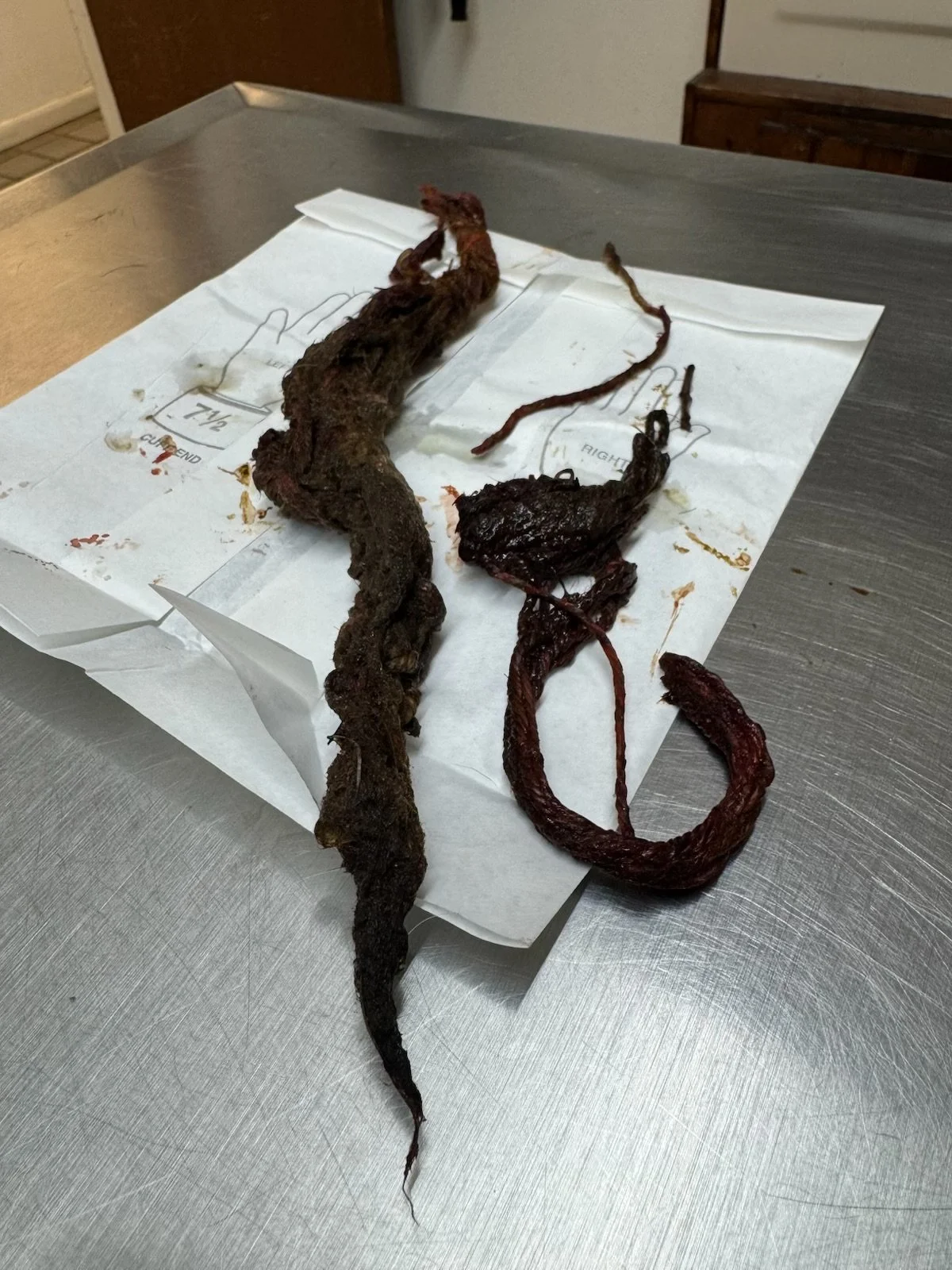
Intestinal blockage is a serious and potentially life-threatening condition in dogs. It occurs when something prevents food, fluids, and digestive contents from moving normally through the intestines. Without prompt treatment, an intestinal obstruction can cause severe illness and may even become fatal.
Dogs are naturally curious and often explore their environment by chewing or swallowing objects. Unfortunately, some of these objects can become stuck in the digestive tract and cause an obstruction.
Recognizing the symptoms of intestinal blockage and seeking veterinary care quickly can help save your dog’s life.
What Is an Intestinal Blockage?
An intestinal blockage, also called intestinal obstruction, occurs when something prevents the normal movement of material through the digestive tract.
When this happens:
• food cannot pass through the intestines
• fluids accumulate in the stomach and intestines
• pressure builds inside the digestive system
If untreated, this pressure can damage the intestinal wall and lead to serious complications.
Causes of Intestinal Blockage in Dogs
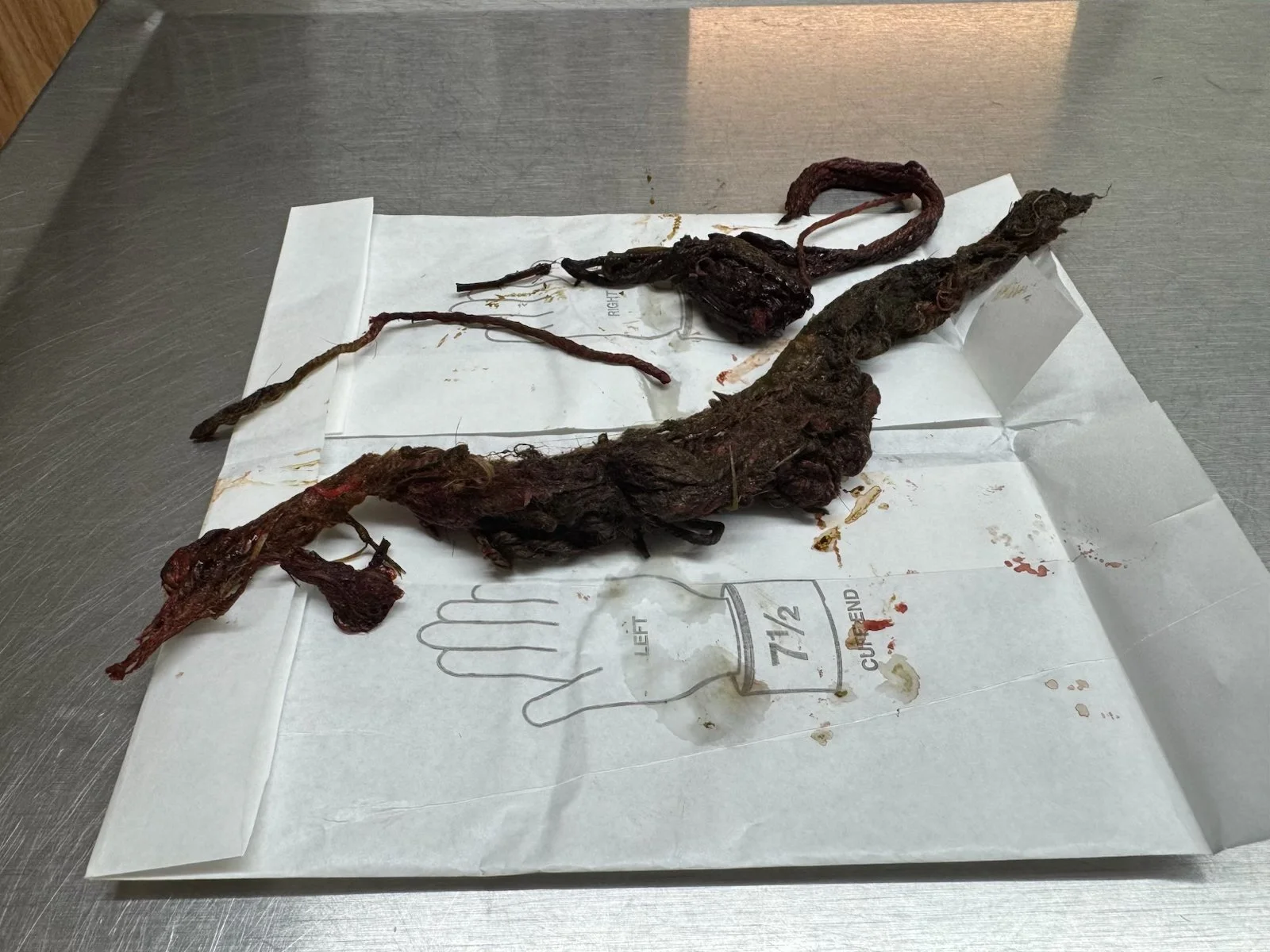
Many different objects can cause intestinal blockages.
Dogs commonly swallow items that are difficult or impossible to digest.
Common causes include:
• toys
• socks or clothing
• bones
• rocks
• corn cobs
• sticks
• rubber objects
• pieces of plastic
These objects may become stuck in the stomach or intestines.
Foreign Bodies in Dogs
A swallowed object that becomes lodged in the digestive system is known as a foreign body.
Foreign bodies may block the intestines partially or completely.
Some objects can also cause twisting or folding of the intestines, which worsens the obstruction.
Young dogs and puppies are particularly prone to swallowing foreign objects.
Symptoms of Intestinal Blockage

Dogs with intestinal obstruction often develop symptoms quickly.
Common signs include:
• repeated vomiting
• loss of appetite
• abdominal pain
• lethargy
• diarrhea or inability to pass stool
• dehydration
• weakness
• abdominal swelling
Some dogs may also appear restless or uncomfortable.
Because these symptoms can worsen rapidly, veterinary care should be sought immediately.
Why Intestinal Blockages Are Dangerous
When an obstruction occurs, several dangerous problems can develop.
Dehydration
Vomiting and fluid loss can quickly lead to dehydration.
Damage to the Intestines
Pressure inside the intestines may reduce blood flow to the tissue, causing damage.
Infection
If the intestinal wall becomes damaged, bacteria can leak into the abdomen and cause infection.
Rupture of the Intestine
In severe cases, the intestine may rupture, which is a life-threatening emergency.
Diagnosing Intestinal Blockage in Dogs
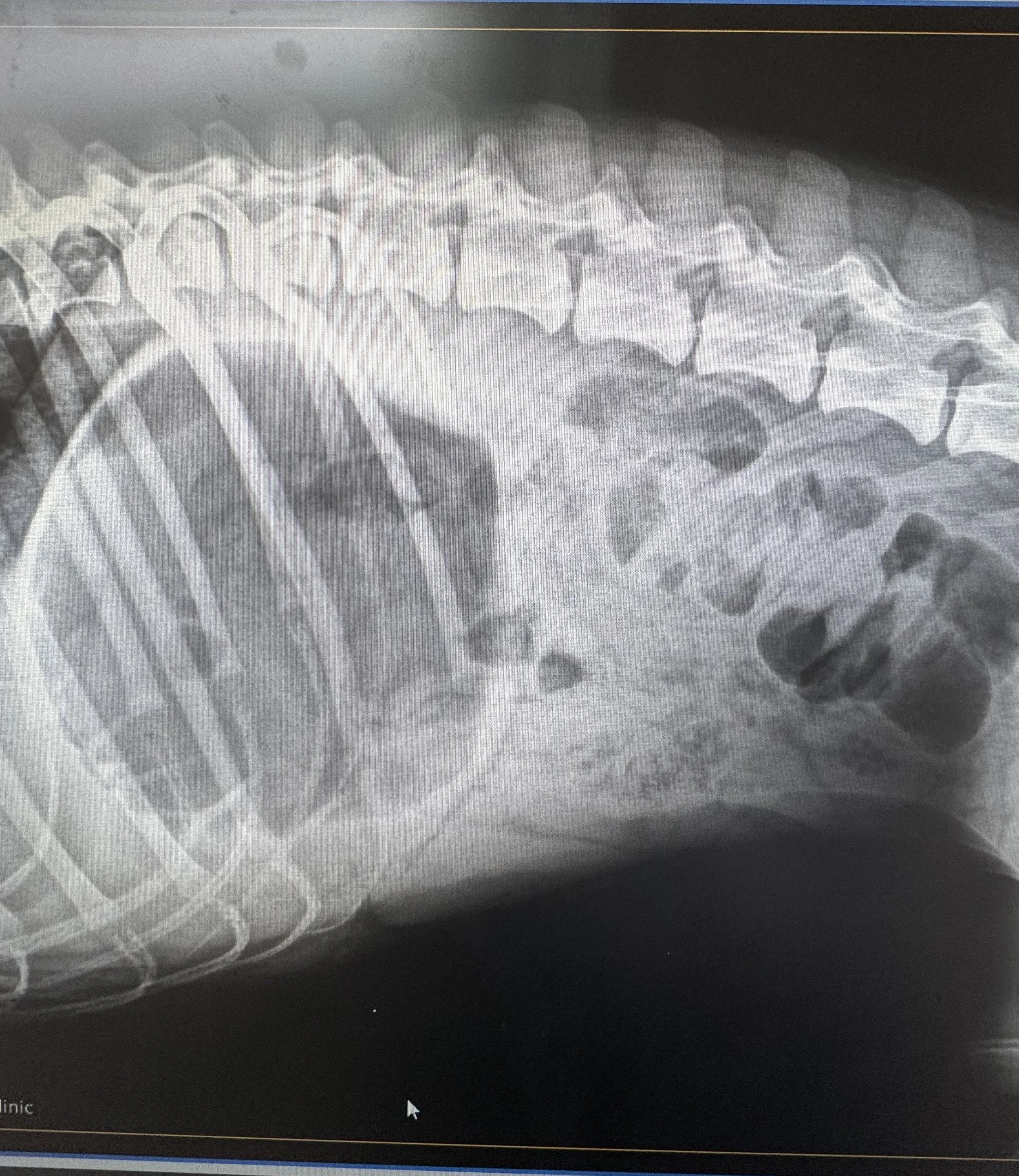
Veterinarians use several methods to diagnose intestinal obstruction.
Physical Examination
The veterinarian checks for abdominal pain, dehydration, and other signs of illness.
X-rays
Radiographs are often used to identify foreign objects or abnormal gas patterns in the intestines.
Some objects may appear clearly on X-rays.
Ultrasound
Ultrasound imaging allows veterinarians to examine the abdominal organs in more detail and may help locate the obstruction.
Blood Tests
Blood work helps evaluate organ function and detect infection or dehydration.
Treatment for Intestinal Blockage
Treatment depends on the type of obstruction and the severity of the condition.
Supportive Care
Dogs may receive intravenous fluids to correct dehydration and stabilize their condition.
Medications may also be given to control vomiting and pain.
Surgery
Many intestinal blockages require surgical removal of the foreign object.
During surgery, the veterinarian carefully removes the obstruction and examines the intestines for damage.
In some cases, a portion of the intestine may need to be removed if it has been severely damaged.
Endoscopy
In certain cases, a foreign object located in the stomach may be removed using an endoscope.
This procedure uses a flexible camera and specialized instruments inserted through the mouth.
Recovery After Surgery
Most dogs recover well after surgery when the obstruction is treated early.
Recovery usually involves:
• restricted activity
• medications
• gradual return to normal diet
• monitoring of the surgical incision
Your veterinarian will provide instructions for post-operative care.
Preventing Intestinal Blockage
While not all cases can be prevented, several steps can reduce the risk.
Keep Small Objects Out of Reach
Prevent dogs from accessing toys, clothing, or other objects that could be swallowed.
Supervise Chewing
Monitor dogs when they are chewing bones or toys.
Choose Safe Toys
Use durable toys designed specifically for dogs.
Prevent Access to Garbage
Dogs should not be allowed to rummage through trash or food waste.
When Intestinal Blockage Is an Emergency
Intestinal obstruction is always considered a medical emergency.
Seek veterinary care immediately if your dog shows:
• repeated vomiting
• severe abdominal pain
• inability to eat or drink
• weakness or collapse
• persistent lethargy
Prompt treatment greatly improves the chances of recovery.
Frequently Asked Questions About Intestinal Blockage in Dogs
What causes intestinal blockages in dogs?
Intestinal blockages most commonly occur when dogs swallow foreign objects such as toys, bones, or clothing.
Can dogs pass a blockage on their own?
Some small objects may pass through the digestive tract, but many obstructions require veterinary treatment or surgery.
How serious is intestinal blockage in dogs?
Intestinal obstruction is a serious condition that can become life-threatening without prompt treatment.
How quickly should a dog with a blockage be treated?
Dogs showing symptoms of intestinal blockage should be evaluated by a veterinarian as soon as possible.
How can I prevent my dog from swallowing objects?
Keeping small objects out of reach and supervising chewing behavior can help reduce the risk.
Related Dog Health Articles
You may also find these veterinary articles helpful:
• Intestinal Problems in Dogs
• Vomiting in Dogs: Causes and When to See a Veterinarian
• Dog Diarrhea: Causes and When to Worry
• Pancreatitis in Dogs
• Emergency Medicine for Pets
Final Thoughts
Intestinal blockage is a serious condition that requires prompt veterinary attention. Dogs that swallow foreign objects can develop severe digestive problems that worsen quickly.
Recognizing symptoms such as repeated vomiting, abdominal pain, and loss of appetite can help pet owners seek treatment early. With prompt veterinary care, many dogs recover successfully from intestinal obstruction.
Keeping dangerous objects out of reach and supervising chewing behavior are important steps in preventing this potentially life-threatening condition.
