Asthma in Cats: Symptoms, Diagnosis, Treatment, and Long‑Term Care
Asthma in Cats: Symptoms, Diagnosis, Treatment, and Long‑Term Care (Complete Guide for Pet Owners)

Feline asthma is one of the most common respiratory conditions seen in cats, yet many owners don’t recognize the early signs until their cat is struggling to breathe. Because asthma involves chronic inflammation and narrowing of the airways, it can progress from mild coughing to life‑threatening respiratory distress. Understanding how asthma develops, what symptoms to watch for, and how veterinarians diagnose and manage the condition can help you protect your cat’s long‑term health.
This guide brings together veterinary‑backed information to help you understand asthma in cats, how it affects the lungs, and what treatment and home‑care strategies veterinarians commonly consider.
What Asthma Is in Cats

Asthma in cats is a chronic inflammatory disease of the lower airways. When a cat inhales an irritant—such as dust, smoke, or allergens—the immune system may overreact. This triggers inflammation, swelling, mucus production, and tightening of the airway muscles. These changes make it difficult for air to move in and out of the lungs.
Asthma is considered a lifelong condition. While it cannot be cured, it can often be managed successfully with veterinary care and environmental adjustments.
How Asthma Affects the Lungs
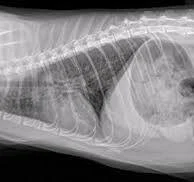
To understand asthma, it helps to visualize what happens inside the airways:
Inflammation thickens the airway walls, reducing the space for air to pass.
Mucus production increases, further narrowing the airways.
Airway muscles tighten, causing bronchoconstriction.
Air becomes trapped in the lungs, making exhalation difficult.
Chronic inflammation may lead to long‑term airway remodeling, making symptoms more persistent.
These changes can occur gradually or suddenly. Some cats show mild coughing for months, while others experience acute respiratory crises with little warning.
Common Symptoms of Asthma in Cats
Asthma symptoms can vary widely. Some cats show only a mild cough, while others experience severe breathing difficulty.
Frequent signs include:
A dry, hacking cough (often mistaken for hairballs)
Wheezing or whistling sounds when breathing
Rapid or shallow breathing
Increased effort when exhaling
Open‑mouth breathing (always an emergency)
Blue‑tinged gums (indicates lack of oxygen)
Lethargy or hiding
Episodes of sudden respiratory distress
Cats experiencing an asthma flare may crouch low to the ground with their neck extended, trying to draw in more air. Any cat showing this posture should be evaluated by a veterinarian promptly.
What Triggers Asthma in Cats

Asthma is often triggered by inhaled irritants or allergens. While triggers vary from cat to cat, common ones include:
Dust or dusty litter
Cigarette smoke
Aerosol sprays or cleaning products
Mold or mildew
Pollen
Perfumes or scented candles
Fireplace smoke
Stress or excitement
Reducing exposure to irritants is an important part of long‑term management.
How Veterinarians Diagnose Asthma
Diagnosing asthma can be challenging because several other conditions—such as heart disease, pneumonia, lungworms, or chronic bronchitis—can cause similar symptoms. Veterinarians typically use a combination of clinical signs, imaging, and testing to reach a diagnosis.
Physical Examination
A veterinarian may observe:
Increased respiratory effort
Wheezing or crackling lung sounds
Rapid breathing
Abdominal effort during exhalation
Chest Radiographs (X‑rays)
X‑rays are one of the most important tools for diagnosing asthma. They may show:
Over‑inflated lungs (air trapping)
A flattened diaphragm
Thickened airway walls (often described as “doughnuts” and “tramlines”)
However, up to one‑quarter of asthmatic cats may have normal X‑rays, especially early in the disease.
Additional Diagnostic Tools
Depending on the cat’s condition, a veterinarian may consider:
Bronchoscopy to visualize the airways
Airway sampling (tracheal wash or bronchoalveolar lavage) to analyze cells and rule out infection
Bloodwork to assess overall health
Heart evaluation to rule out cardiac causes of breathing difficulty
Response to therapy, which can support the diagnosis
Because asthma can resemble other serious conditions, professional evaluation is essential.
How Asthma Is Treated in Cats
Asthma treatment focuses on reducing airway inflammation, relieving bronchoconstriction, and preventing flare‑ups. Treatment plans vary depending on the cat’s symptoms, severity, and overall health.
Corticosteroids
Corticosteroids are commonly used to reduce airway inflammation. They may be given orally, by injection, or through inhalation devices. Long‑term use is common, and veterinarians monitor for potential side effects.
Bronchodilators
Bronchodilators help relax the airway muscles, making it easier for the cat to breathe. They are often used during flare‑ups and may be part of a long‑term management plan depending on the cat’s needs.
Inhaled Medications
Metered‑dose inhalers deliver medication directly into the lungs with fewer systemic effects. A spacer device with a mask—such as the AeroKat chamber—is used to help cats inhale the medication effectively.
Inhaled corticosteroids are often used for long‑term control, while inhaled bronchodilators may be used for acute symptoms.
Other Therapies
In some cases, veterinarians may consider:
Allergen‑specific immunotherapy for cats with identified allergies
Immune‑modulating medications for difficult‑to‑control cases
Antibiotics if infection is present
Oxygen therapy during severe flare‑ups
Treatment plans are tailored to each cat’s condition and response.
Managing Asthma at Home
Environmental management plays a major role in reducing asthma flare‑ups. Small changes can significantly improve a cat’s breathing comfort.
Reduce Airborne Irritants
Avoid cigarette smoke indoors.
Use unscented, low‑dust litter.
Limit use of aerosols, perfumes, and cleaning sprays.
Replace air filters regularly.
Use air purifiers in common areas.
Reduce exposure to fireplace or wood‑stove smoke.
Maintain a Clean Environment
Vacuum frequently using a HEPA filter.
Wash bedding regularly.
Reduce dust accumulation on surfaces.
Monitor Your Cat’s Breathing
Some owners track respiratory rate at rest to help identify early flare‑ups. A veterinarian can explain what changes may indicate worsening symptoms.
Asthma Attacks: When It’s an Emergency
Asthma attacks can escalate quickly. A cat in respiratory distress may:
Breathe with an open mouth
Use abdominal muscles heavily to breathe
Breathe rapidly while at rest
Appear anxious or panicked
Have blue or pale gums
These signs require immediate veterinary attention. Delaying care can be dangerous because severe airway constriction can prevent enough oxygen from reaching the bloodstream.
Long‑Term Outlook for Cats With Asthma
With proper management, many cats with asthma live long, comfortable lives. The long‑term outlook depends on:
Severity of airway inflammation
Frequency of flare‑ups
Response to treatment
Ability to reduce environmental triggers
Some cats experience only occasional mild symptoms, while others require ongoing medication and monitoring.
Living With a Cat Who Has Asthma
Caring for a cat with asthma involves understanding the condition, recognizing early signs of flare‑ups, and maintaining a supportive home environment. Many owners find that once a treatment plan is established, their cat’s symptoms become predictable and manageable.
Helpful habits include:
Keeping a consistent medication schedule
Monitoring breathing patterns
Reducing irritants in the home
Scheduling regular veterinary check‑ups
Learning to recognize early signs of distress
Cats often adapt well to inhaler therapy, and many owners report that their cats tolerate the mask and spacer better than expected.
Closing Thought
Asthma in cats is a manageable condition when recognized early and treated appropriately. If your cat is coughing, wheezing, or showing any signs of breathing difficulty, a veterinarian can help determine the cause and create a plan to support your cat’s long‑term respiratory health.
Would you like this turned into a Squarespace‑formatted version with headings, excerpt text, SEO title/description, and a strong call‑to‑action for your clinic or website?
Take the next step in protecting your cat’s breathing health—schedule a veterinary evaluation at the first sign of coughing or wheezing.
