Is This an Emergency? When to Take Your Dog to the Vet

Is This an Emergency? When to Take Your Dog to the Vet
If your dog is not acting normal, one of the most common questions is whether it’s an emergency or something that can wait. Some problems are mild and improve on their own, while others need to be seen right away. The challenge is knowing the difference, especially when symptoms are just starting or not clearly severe. At Bushnell Animal Clinic, we often help pet owners decide what needs immediate attention and what can be safely monitored at home.
Many serious medical problems in dogs do not start as obvious emergencies. They often begin with subtle changes that are easy to overlook. A dog may seem slightly tired, eat a little less, or act differently than usual. Over time, those small changes can develop into something more serious. Recognizing when a situation is becoming urgent is one of the most important parts of protecting your dog’s health.
Signs That May Be an Emergency
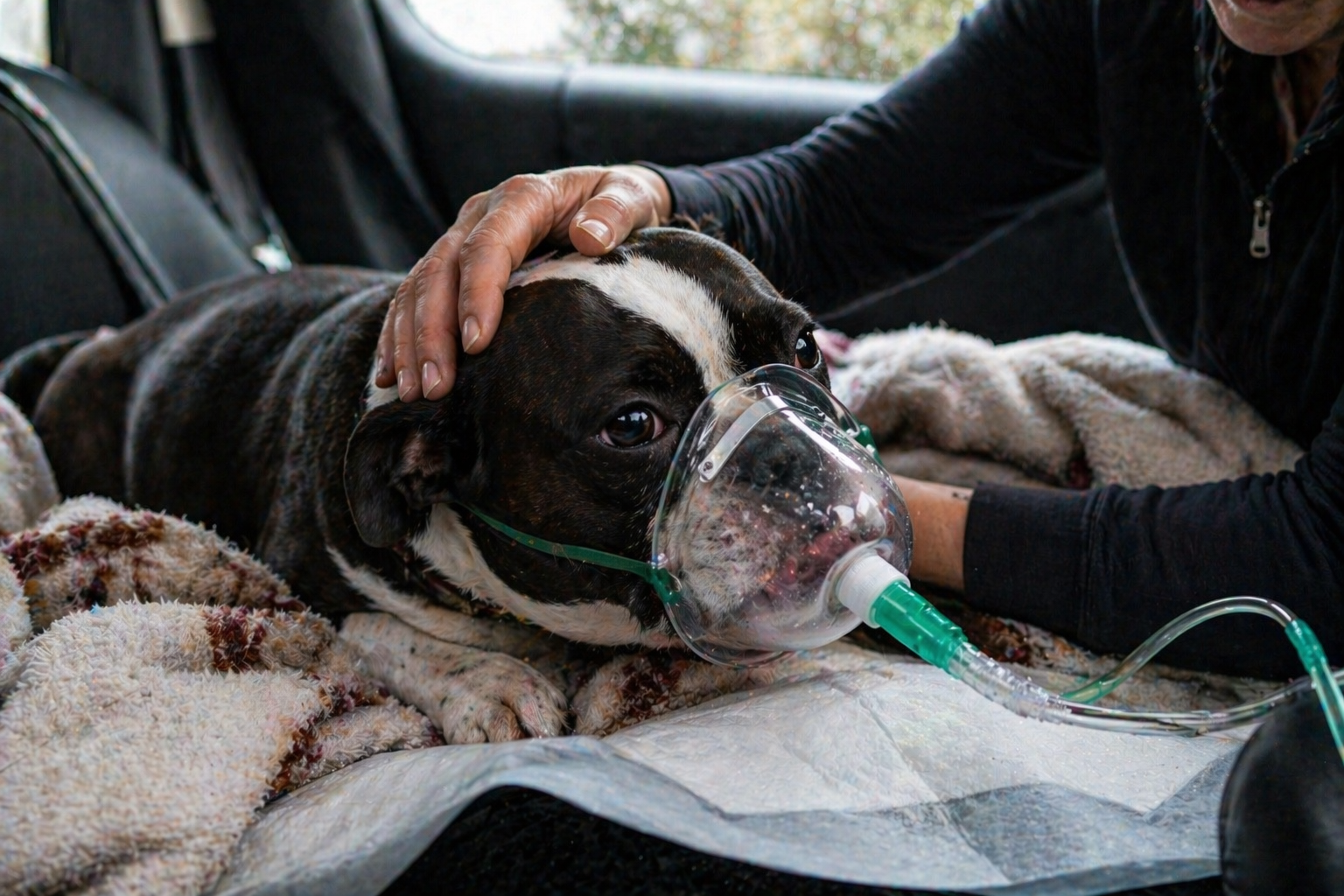
Some symptoms should never be ignored. If your dog is showing signs that affect breathing, circulation, or basic bodily functions, it’s safest to act quickly. Waiting in these situations can allow the condition to worsen rapidly, sometimes within hours.
Common emergency signs include:
difficulty breathing or labored breathing
collapse or inability to stand
repeated or uncontrollable vomiting
severe diarrhea or diarrhea with blood
bloated or painful abdomen
inability to urinate or straining without producing urine
seizures or uncontrolled shaking
These symptoms can indicate serious problems such as bloat, toxin exposure, obstruction, or internal disease. In some cases, dogs can decline quickly, and early treatment can make a major difference in outcome. Even if you are unsure, it is always safer to call and ask rather than wait.
Symptoms That Still Need Attention
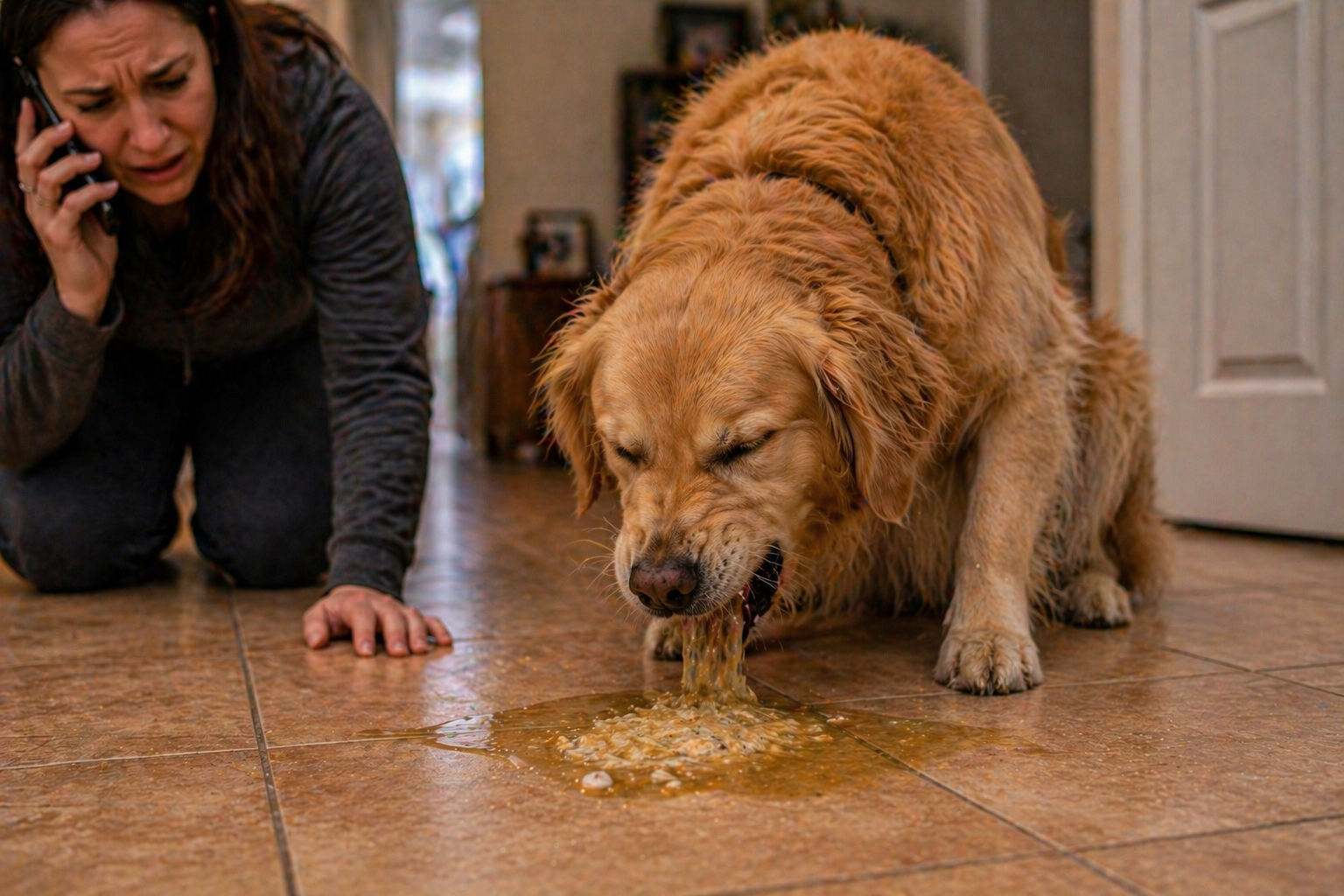
Not every issue is a true emergency, but that does not mean it should be ignored. Many dogs show early warning signs before a condition becomes severe. These signs are often less dramatic but still important to pay attention to, especially if they persist or worsen over time.
You may notice:
decreased appetite or skipping meals
mild or occasional vomiting
low energy or sleeping more than usual
changes in drinking habits
changes in urination frequency
These symptoms often fall into a gray area. They may not require immediate emergency care, but they still signal that something is not right. When these signs continue beyond a day or two, or begin to happen more frequently, it usually means your dog should be evaluated. This is often where a Sick Pet Visitsexam becomes important so we can determine what is going on.
When Symptoms Don’t Improve
One of the most important factors in deciding what to do is time. A mild issue that improves quickly is usually less concerning than one that lingers or worsens. If your dog’s symptoms are not improving within 24 to 48 hours, it often suggests that there is an underlying issue that needs attention.
A common pattern we see is a dog that vomits once, then seems okay, then vomits again the next day. At first, it may not seem serious. But when symptoms repeat or continue, it often means the body is not resolving the problem on its own. Waiting longer in these cases can allow the condition to progress.
Recurring symptoms are another warning sign. If your dog has repeated episodes of vomiting, diarrhea, or appetite loss, it often means the problem is not resolving on its own. These patterns can point toward chronic conditions that require a deeper evaluation. In these cases, Internal Medicine & Advanced Diagnosticshelps identify the cause and guide treatment.
Common Causes Behind Symptoms
Symptoms like vomiting, diarrhea, and lethargy do not happen randomly. They are usually the result of an underlying issue that needs to be identified.
Some of the more common causes include:
gastrointestinal disease or inflammation
infections or parasites
toxin exposure
dietary changes or sensitivities
endocrine conditions such as diabetes
kidney or liver disease
These causes can range from mild to serious. The important part is not guessing but identifying what is actually happening. Two dogs can have the same symptom but very different underlying causes. That is why evaluation and proper diagnosis are important.
Behavior Changes and Pain Signals
Dogs often show illness through subtle behavioral changes before physical symptoms become obvious. You may notice your dog becoming quieter, less active, or avoiding interaction. These changes can be easy to miss, but they are often one of the first signs that something is wrong.
Behavioral warning signs include:
hiding or withdrawing from normal interaction
reluctance to move or difficulty getting up
increased restlessness or discomfort
unusual vocalization or whining
changes in sleep patterns
Pain is another factor that can be difficult to recognize. Dogs do not always show pain in obvious ways. Instead of limping or crying, they may simply become less active or behave differently. If your dog seems off, even without clear symptoms, it is worth paying attention.
When to Call Right Away
Sometimes it is better to call even if you are unsure. Pet owners know their dogs best, and small changes can be early warning signs of a larger problem.
Call your veterinarian right away if you notice:
rapid changes in behavior or condition
worsening symptoms over a short period of time
signs of pain or distress
your dog is not responsive or unusually weak
anything that feels significantly different from normal
In urgent situations, it is best to contact your clinic or visit Urgent Pet Care so your dog can be evaluated as soon as possible. Acting early does not mean you are overreacting. It means you are being proactive.
Why Early Evaluation Matters
Early evaluation is one of the most important factors in successful treatment. When problems are identified early, they are often easier to manage. This can reduce the need for more complex treatments and improve your dog’s overall outcome.
Waiting too long can allow conditions to progress. What starts as a mild issue can become more serious, requiring more intensive care. Early intervention often leads to quicker recovery and less stress for both you and your pet.
Local Factors in Bushnell and Central Florida
Environmental factors in Bushnell and surrounding Central Florida areas can also play a role. Heat, parasites, and outdoor exposure increase the risk of certain conditions. Dogs that spend time outside may be more prone to infections, dehydration, or gastrointestinal issues.
Local risks include:
heat-related illness during warmer months
parasites such as fleas, ticks, and intestinal worms
exposure to contaminated water or food sources
increased risk of dehydration
These local factors make it even more important to monitor symptoms closely and act early when something seems off.
How Symptoms Connect Together
Weight loss, appetite changes, vomiting, and changes in drinking habits are often connected. These symptoms rarely happen alone. Instead, they tend to overlap and point toward a broader issue.
Recognizing patterns such as:
vomiting combined with appetite loss
increased drinking with weight loss
diarrhea with low energy
helps guide the next step in care. When multiple symptoms appear together, it is more likely that a deeper medical issue is involved.
Final Thoughts
Not every problem is an emergency, but some are. The key is recognizing when something needs attention sooner rather than later. Many serious conditions begin with subtle signs, and early evaluation often leads to better outcomes.
If your dog is not acting normal or you are unsure what to do, call Bushnell Animal Clinic or request an appointment. Getting guidance early can make a meaningful difference in your dog’s health and recovery.
FAQ
How do I know if my dog’s symptoms are an emergency?
If your dog is having trouble breathing, collapsing, unable to urinate, or experiencing severe vomiting or diarrhea, it should be treated as an emergency.
Can I wait to see if my dog gets better?
Mild symptoms can sometimes be monitored for 24–48 hours. If they do not improve or worsen, your dog should be evaluated.
What is considered urgent but not an emergency?
Symptoms like decreased appetite or mild vomiting still require a veterinary visit, often through a Sick Pet Visits exam.
When should I go to urgent pet care?
If symptoms are worsening or your dog seems uncomfortable, visiting Urgent Pet Care is the safest option.
Why is early evaluation important?
Early diagnosis allows for simpler treatment and better outcomes, while delays can allow conditions to worsen.
