Why Is My Dog Losing Weight? When to Be Concerned
Why Is My Dog Losing Weight? When to Be Concerned
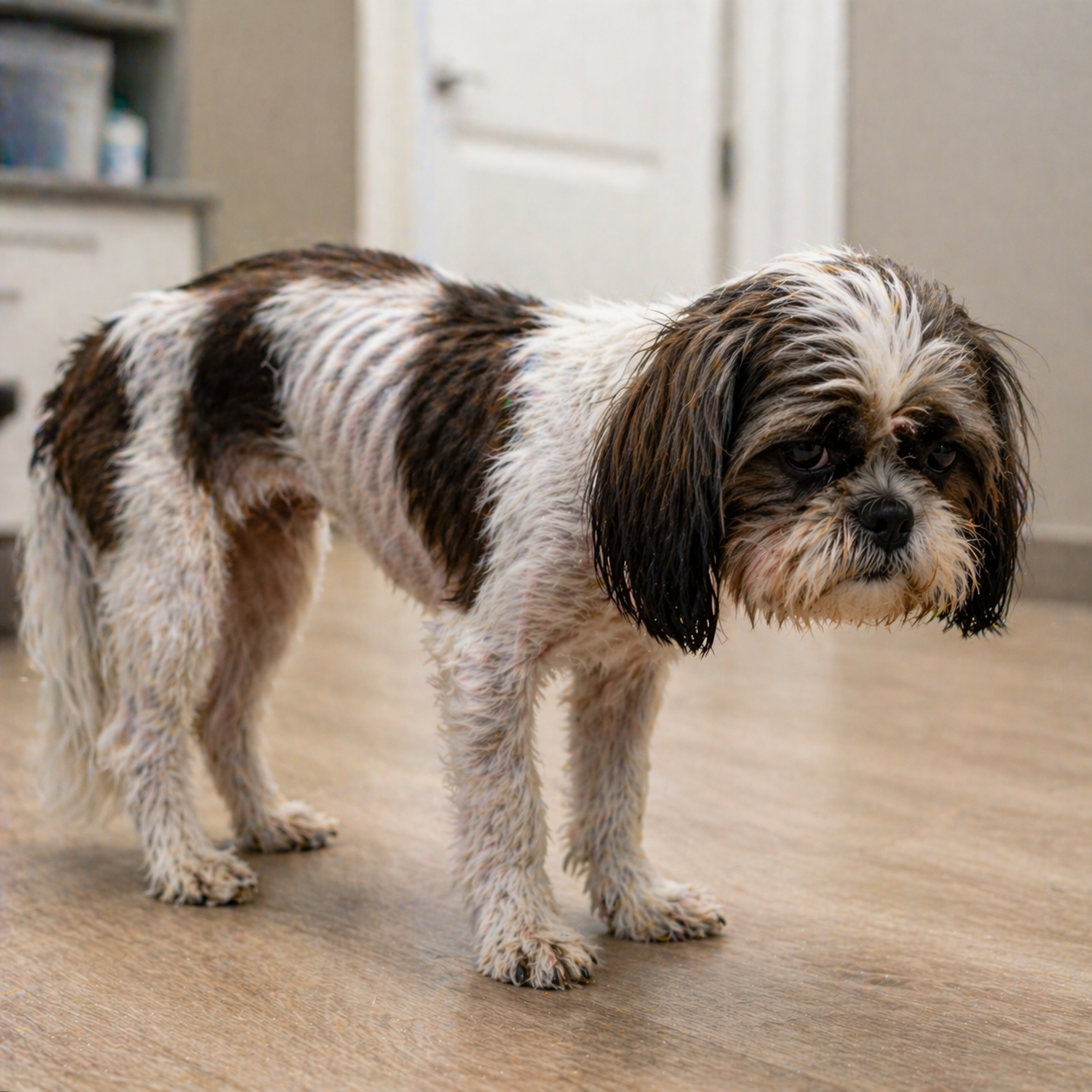
If your dog is losing weight and you’re not sure why, it’s something to pay attention to. Some dogs lose weight because they’re not eating. Others keep eating and still get thinner. That second situation is usually more concerning. Weight loss is often one of the first signs that something deeper may be going on. At Bushnell Animal Clinic, we look at weight loss as a pattern, not just a number on the scale.
Dogs Losing Weight Because They Aren’t Eating
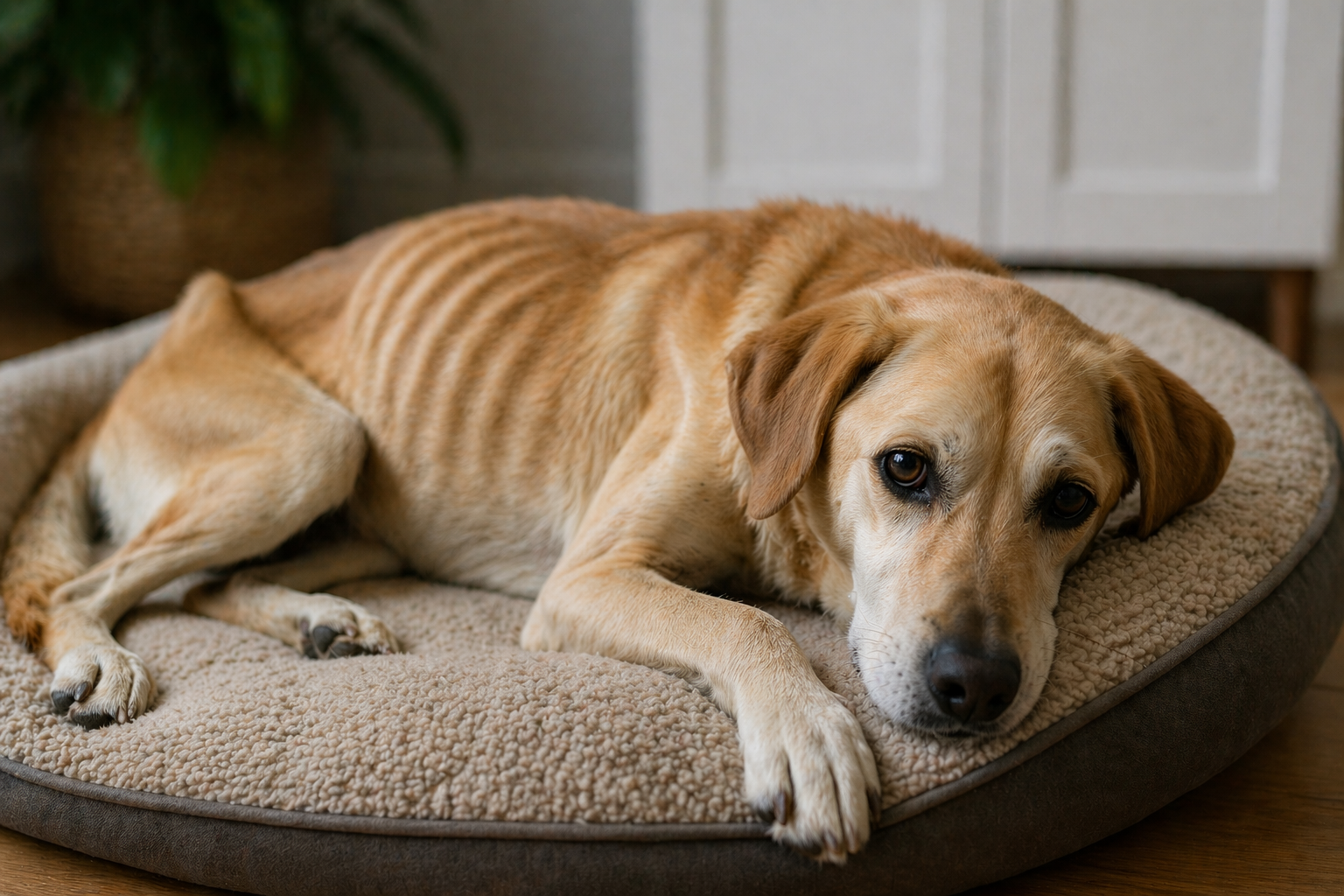
Sometimes the cause is simple. If your dog isn’t eating normally, weight loss can happen quickly. This can be related to a wide range of issues, and even small changes in appetite can lead to noticeable weight loss over time.
Common reasons include:
stress or changes at home
dental discomfort
nausea
underlying illness
If your dog is skipping meals or eating less than usual, it’s worth taking a closer look at what might be causing that change.
When Dogs Eat But Still Lose Weight
This is where things become more concerning. If your dog is eating normally but still losing weight, it usually means the body isn’t using nutrients the way it should. This can happen with digestive problems, metabolic disease, or chronic illness. In these cases, the issue isn’t intake—it’s what’s happening inside the body.
These situations often require more than a basic exam to understand what’s going on.
Digestive Issues and Weight Loss
Digestive problems are one of the more common reasons we see weight loss. Dogs may vomit, have diarrhea, or appear to eat normally but not absorb nutrients properly. Sometimes the signs are mild at first or come and go, which makes them easy to overlook.
You might notice:
intermittent vomiting
loose stool or diarrhea
changes in appetite
gradual weight loss over time
If your dog is showing these signs, starting with a Sick Pet Visits evaluation is usually the right first step to figure out what’s happening.
When It Becomes an Internal Medicine Problem
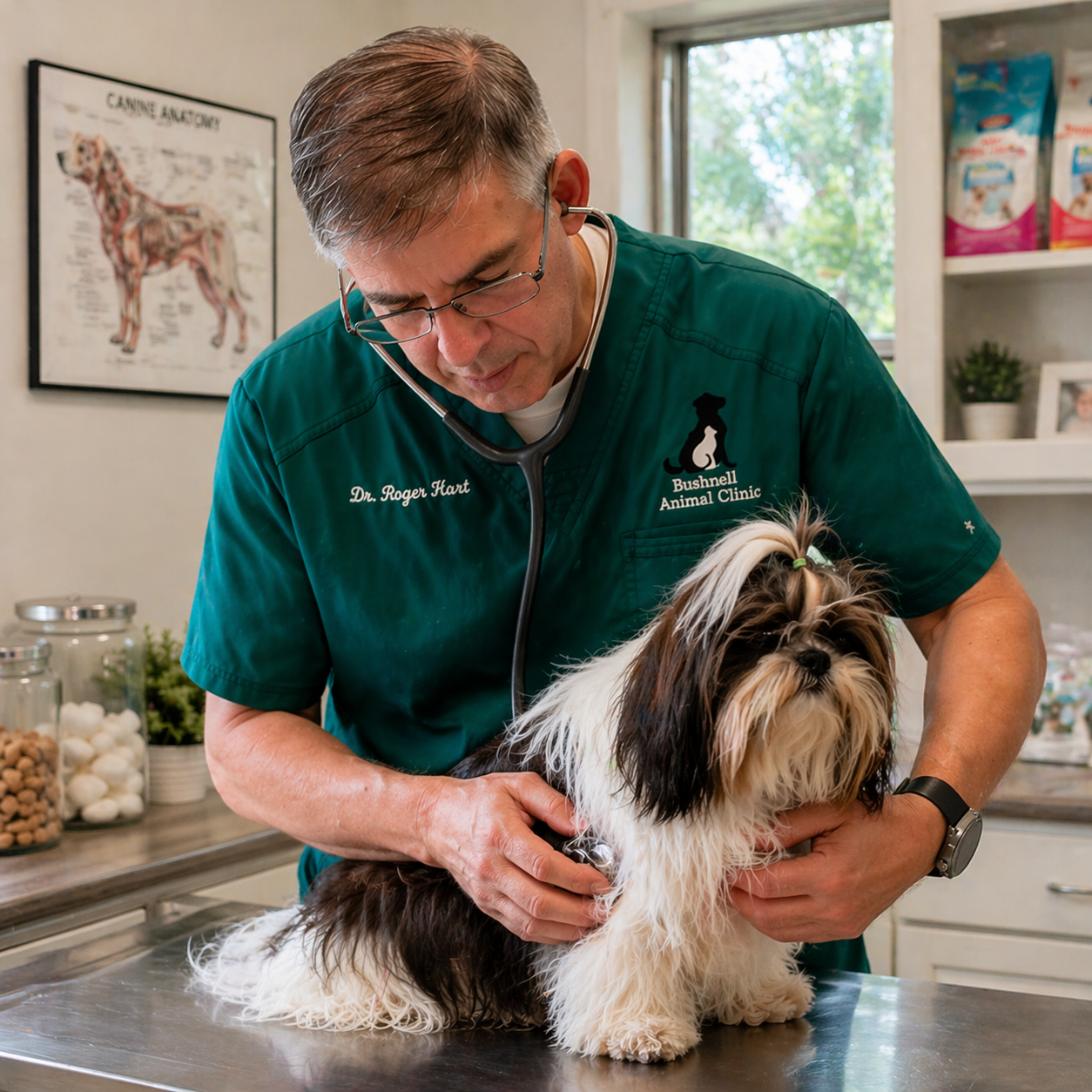
Some cases don’t resolve quickly, or the symptoms don’t fully make sense at first. That’s when we shift into a deeper evaluation. If your dog has ongoing or recurring symptoms, it usually means we need to look further.
This often includes:
ongoing vomiting
recurring diarrhea
increased thirst
changes in urination
low energy
continued weight loss
These patterns often point toward underlying medical conditions that require a more detailed approach. This is where Internal Medicine & Advanced Diagnostics becomes important in identifying the cause.
Weight Loss in Older Dogs
In older dogs, weight loss is more common, but that doesn’t mean it should be ignored. It can be related to organ disease, chronic inflammation, cancer, or long-term metabolic changes. Sometimes it happens gradually and is easy to miss at first.
Over time, you may notice:
muscle loss
reduced strength
decreased activity
subtle appetite changes
Even slow weight loss in a senior dog is worth evaluating. This often overlaps with Senior Pet Careneeds as well.
Other Signs That Matter

Weight loss rarely happens on its own. It often comes with other changes that help point us in the right direction. Paying attention to these patterns can make a big difference in how quickly we identify the cause.
Watch for:
decreased appetite
vomiting
diarrhea
increased drinking
increased urination
weakness or lethargy
These additional signs help build the full picture and guide what kind of testing or treatment may be needed.
When to Call
You don’t need to wait until weight loss is severe to take action. If your dog is clearly getting thinner, it’s worth having them checked. You should call sooner if the weight loss is happening quickly or if your dog is not eating for more than a day or two.
Call sooner if you notice:
rapid weight loss
refusal to eat
vomiting or diarrhea
low energy or weakness
In more urgent situations, it’s best to call right away or visit Urgent Pet Care for guidance.
What We Look For
When we evaluate weight loss, the goal is to understand what is causing it. That usually starts with a physical exam and a discussion of what you’ve been seeing at home. From there, we may recommend testing depending on what your dog is showing us.
This may include:
bloodwork
urine testing
fecal testing
imaging when needed
In some cases, Diagnostic Imaging helps us get a better look at what’s happening internally and guide the next steps more clearly.
How This Connects to Other Problems
Weight loss often overlaps with other symptoms. If your dog is also eating less, vomiting, or drinking more water than usual, those connections matter. These patterns often show up together and can point toward specific types of medical problems.
You may also want to look at:
These issues are often related and can help you better understand what your dog may be experiencing.
Final Thoughts
Weight loss isn’t always an emergency, but it is something that deserves attention. The earlier we understand what’s causing it, the easier it is to manage and treat. Waiting too long can allow underlying conditions to progress, especially in chronic or internal medicine cases.
If You’re Noticing Weight Loss
If your dog is losing weight or not acting like normal, call Bushnell Animal Clinic or request an appointment. Getting answers early can make a meaningful difference in your dog’s health and outcome.
