Understanding Feline Herpesviral Conjunctivitis in CatsFeline
Feline Herpesviral Conjunctivitis in Cats: What You Need to Know
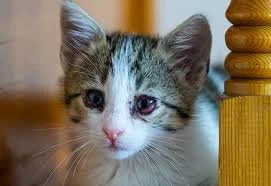
When your cat’s eyes suddenly look red, watery, or uncomfortable, it’s natural to worry. Eye issues can escalate quickly, and feline herpesviral conjunctivitis is one of the most common culprits. The good news is that with the right care — and a calm, informed approach — most cats recover well and stay comfortable long‑term.
At Bushnell Animal Clinic, Dr. Roger Hart and our team see this condition often, and we’re here to help you understand what’s going on and what your cat needs next.
What Is Feline Herpesviral Conjunctivitis?
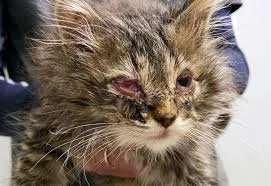
Feline herpesviral conjunctivitis is caused by feline herpesvirus‑1 (FHV‑1), a virus that inflames the delicate tissues around the eye. It can also affect the cornea, leading to irritation, discharge, and sometimes painful ulcers.
It’s extremely common, especially in kittens, shelter cats, and multi‑cat homes. Even though the symptoms can look dramatic, this condition is very manageable with proper veterinary care.
How Cats Contract FHV‑1
Cats typically catch the virus through:
Close contact with infected cats
Shared bowls, bedding, or litter boxes
Grooming or play
Exposure to sneezes or eye/nose discharge
Stressful environments like shelters or boarding facilities
Once a cat is infected, they carry the virus for life. That doesn’t mean they’re always sick — it simply means flare‑ups can happen when their immune system is stressed.
Symptoms to Watch For
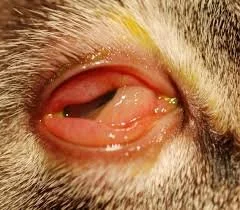
If your cat is dealing with herpesviral conjunctivitis, you may notice:
Red or swollen eyes
Squinting or keeping one eye closed
Clear, yellow, or brown discharge
Sneezing or nasal congestion
Cloudiness or ulcers on the cornea
Pawing at the face or rubbing the eyes
These symptoms can come on quickly, and early treatment helps prevent complications.
Why the Virus Reactivates
After the initial infection, the virus goes dormant in nerve tissue. It can flare up again during:
Stress
Illness
Environmental changes
Travel or boarding
Introduction of new pets
Poor nutrition
Flare‑ups are usually milder than the first infection, but they still deserve attention.
Kittens vs. Adult Cats
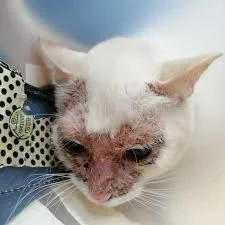
Kittens
Kittens are especially vulnerable. Their immune systems are still developing, and swelling can sometimes seal their eyelids shut. Without treatment, this can lead to:
Corneal ulcers
Eye rupture
Permanent vision loss
Kittens often need more hands‑on care and close monitoring.
Adult Cats
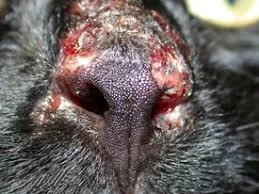
Adult cats tend to experience recurring flare‑ups rather than severe infections. You may see:
Mild redness
Squinting
Watery discharge
These episodes often improve with supportive care and stress reduction.
How Vets Diagnose FHV‑1
At Bushnell Animal Clinic, Dr. Hart may diagnose based on:
Your cat’s symptoms
A thorough eye exam
Fluorescein staining to check for ulcers
PCR testing when needed
Most cases can be diagnosed without extensive testing.
Treatment Options
There’s no cure for FHV‑1, but treatment focuses on comfort, healing, and preventing complications.
Topical Antibiotics
Used to control secondary bacterial infections.
Topical Antivirals
Medications such as trifluridine, idoxuridine, vidarabine, or cidofovir help reduce viral activity in the eye.
Oral Antivirals
Famciclovir is the most effective systemic antiviral for cats and is often used for moderate to severe cases.
Supportive Care
Artificial tears
Warm compresses
Humidifiers
Nutritional support
Probiotics
Stress Reduction
A calm, predictable environment can dramatically reduce flare‑ups.
Long‑Term Complications
Some cats develop chronic issues related to FHV‑1.
Eosinophilic Keratitis
An immune‑mediated condition that causes white, raised plaques on the cornea. It requires long‑term management.
Corneal Sequestrum
More common in Persian‑type breeds. A dark, dead area forms on the cornea and often requires surgical removal.
Reducing Flare‑Ups at Home
You can help your cat stay comfortable by:
Keeping routines consistent
Minimizing stress
Using pheromone diffusers
Maintaining good nutrition
Running a humidifier
Providing safe hiding spaces
Small changes can make a big difference.
When to Contact a Veterinarian
Reach out to a vet right away if your cat has:
Persistent squinting
Eye cloudiness
Ulcers
Thick or worsening discharge
Eyelids sealed shut
Loss of appetite
Lethargy
Eye issues can worsen quickly, and early care is always the safest choice.
A Strong Call to Action
If your cat is showing signs of eye irritation or you’re worried about a possible herpes flare‑up, don’t wait. Eye conditions can change fast, and your cat deserves relief as soon as possible.
Call Bushnell Animal Clinic today to schedule an appointment with Dr. Roger Hart.
Our team is here to help your cat feel better, heal comfortably, and stay healthy long‑term.
Whether it’s a first flare‑up or a recurring issue, we’ll guide you every step of the way.
I
