Blocked Cats Are an Emergency: What Every Cat Owner Needs to Know
Blocked Cats Are an Emergency: Immediate Care is Essential
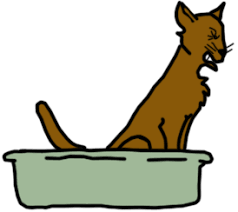
When your cat suddenly starts straining in the litter box, crying out, or acting uncomfortable, it’s easy to assume they’re constipated or having a mild stomach issue. But in many cases, these signs point to something far more serious — a urinary blockage, one of the most dangerous emergencies a cat can experience.
At Bushnell Animal Clinic, Dr. Roger Hart and our team treat blocked cats regularly, and we know how quickly this condition can escalate. A blocked cat can go from uncomfortable to critically ill in a matter of hours. Without immediate treatment, a urinary blockage can be fatal within 24–48 hours.
This guide will help you understand what a urinary blockage is, why it happens, what signs to watch for, and why fast veterinary care is absolutely essential.
What Does It Mean When a Cat Is “Blocked”?
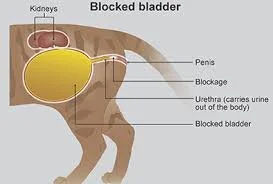
A “blocked” cat is one who cannot pass urine because the urethra — the tube that carries urine from the bladder out of the body — has become obstructed. This blockage prevents urine from leaving the bladder, causing it to fill, stretch, and become extremely painful.
As urine backs up, toxins that the kidneys normally remove begin to accumulate in the bloodstream. Potassium levels rise dangerously, the kidneys begin to fail, and the cat becomes increasingly sick.
A urinary blockage is not something that will resolve on its own. It is a true medical emergency.
What Causes a Urinary Blockage?
There are several possible causes, but the most common include:
1. Mucus Plugs (Matrix)
Many blocked cats develop a thick, toothpaste‑like mucus plug that forms inside the urethra. This material, called “matrix,” is made of inflammatory cells, proteins, and debris. The exact reason some cats produce this material is still not fully understood, but stress, inflammation, and diet may play a role.
2. Urinary Stones
Small stones or crystals can lodge in the urethra and block urine flow. Male cats are especially at risk because their urethra is long and narrow.
3. Urethral Spasms
Inflammation can cause the urethra to spasm tightly, preventing urine from passing.
4. Tumors or Structural Issues
Less common, but possible.
Regardless of the cause, the result is the same: the cat cannot urinate, and the situation becomes life‑threatening very quickly.
Which Cats Are Most at Risk?

Any cat can become blocked, but certain factors increase the risk:
Male cats (especially neutered males)
Overweight cats
Indoor‑only cats
Cats with a history of urinary issues
Cats under stress
Cats who don’t drink enough water
Cats eating only dry food
Even with perfect care, some cats are simply more prone to urinary blockages due to anatomy or genetics.
Early Signs of a Blocked Cat
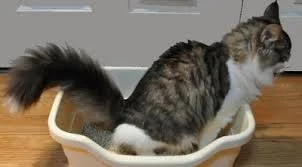
Recognizing the early signs can save your cat’s life. Symptoms often begin subtly but worsen quickly.
Watch for:
Frequent trips to the litter box
Straining with little or no urine produced
Crying or vocalizing in the litter box
Licking the genitals or base of the tail
Restlessness or pacing
Hiding or acting distressed
Urinating outside the litter box
Small drops of blood in the urine
These signs are often mistaken for constipation, but they are far more dangerous.
Advanced Signs — When the Situation Becomes Critical
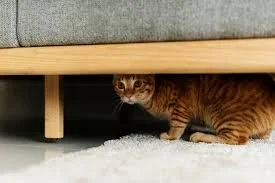
As the blockage progresses, the cat becomes increasingly sick. You may see:
Vomiting
Lethargy
Weakness
Loss of appetite
Collapse
A swollen, firm abdomen
Pain when touched
At this stage, the cat is in critical condition and needs immediate emergency care.
Why Blocked Cats Decline So Quickly
When urine cannot leave the body:
The bladder becomes painfully overfilled
Toxins build up in the bloodstream
Potassium levels rise to dangerous levels
The kidneys begin to fail
The heart rhythm becomes unstable
The cat becomes severely dehydrated
This is why blocked cats can die within 24–48 hours without treatment.
How Veterinarians Treat a Blocked Cat
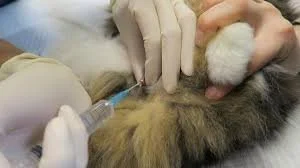
At Bushnell Animal Clinic, Dr. Roger Hart follows a careful, compassionate approach to stabilize and treat blocked cats. While every case is unique, treatment typically includes:
1. Immediate Stabilization
Cats who are weak, vomiting, or in shock need urgent stabilization. This may include:
IV fluids
Pain relief
Electrolyte correction
Monitoring of heart rhythm
2. Relieving the Blockage
A urinary catheter is gently placed to clear the obstruction and allow urine to drain. This step is essential and cannot be done at home.
3. Flushing the Bladder
Once the catheter is in place, the bladder is flushed to remove debris, crystals, or mucus.
4. Hospitalization
Most blocked cats need to stay in the hospital for 24–72 hours for:
Fluid therapy
Pain management
Monitoring
Continued catheterization
5. Identifying Underlying Causes
Dr. Hart may recommend:
Urinalysis
Bloodwork
Imaging
Diet changes
These help determine why the blockage occurred and how to prevent future episodes.
What Happens After a Cat Goes Home?
Once the blockage is relieved and the cat is stable, long‑term management becomes the focus. Many cats recover fully, but some are prone to recurring blockages.
Your veterinarian may recommend:
Prescription Urinary Diets
These diets help reduce inflammation, dilute urine, and prevent crystal formation.
Increased Water Intake
Water fountains, wet food, and multiple water bowls can help.
Stress Reduction
Stress is a major trigger for urinary issues. Environmental enrichment, routine, and calm spaces make a big difference.
Litter Box Improvements
Clean, accessible, low‑stress litter box setups help reduce urinary strain.
Follow‑Up Appointments
Monitoring helps catch early signs before another blockage occurs.
Can a Cat Block Again?
Yes. Some cats never block again, while others may have recurring episodes. The risk depends on:
The underlying cause
Stress levels
Diet
Water intake
Anatomy
With proper management, many cats live long, healthy lives after a blockage.
What NOT to Do if You Suspect a Blockage
If your cat is straining or crying in the litter box:
Do not wait to see if it improves
Do not assume it’s constipation
Do not give human medications
Do not try to express the bladder at home
A blocked cat needs immediate veterinary care.
Why Fast Action Saves Lives
The sooner a blocked cat receives treatment, the better the outcome. Early intervention:
Reduces pain
Prevents kidney damage
Lowers the risk of heart complications
Shortens hospitalization time
Improves long‑term prognosis
Waiting even a few hours can dramatically worsen the situation.
How Bushnell Animal Clinic Can Help
At Bushnell Animal Clinic, we understand how frightening it is to see your cat in distress. Dr. Roger Hart and our team are experienced in treating urinary blockages quickly, safely, and compassionately.
We provide:
Immediate stabilization
Skilled catheterization
Pain management
In‑hospital monitoring
Long‑term urinary care guidance
Support for preventing future blockages
Your cat’s comfort and safety are always our top priorities.
A Strong Call to Action
If your cat is straining, crying, or unable to urinate, this is an emergency. Do not wait — your cat needs immediate veterinary care.
Call Bushnell Animal Clinic right away to speak with our team or bring your cat in for urgent evaluation.
Dr. Roger Hart is here to help your cat get relief, recover safely, and return home feeling comfortable again.
Your quick action can save your cat’s life.
