Mammary Tumors in Dogs: Early Detection and Treatment
Understanding Mammary Tumors in Dogs: Signs, Risks, and Treatments
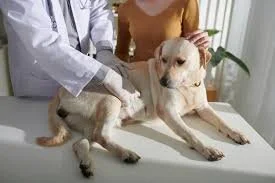
Finding a lump on your dog can be one of the most frightening moments for any pet owner. Your mind races, your heart sinks, and you immediately worry about the worst‑case scenario. At Bushnell Animal Clinic, we understand how emotional this experience can be. Mammary tumors are one of the most common types of cancer in female dogs, but with early detection and timely veterinary care, many dogs go on to live long, happy lives.
Dr. Roger Hart and our team are here to guide you through what mammary tumors are, why they develop, how they’re diagnosed, and what treatment options are available. This comprehensive guide is designed to help you feel informed, supported, and empowered to make the best decisions for your dog’s health.
What Are Mammary Tumors in Dogs?
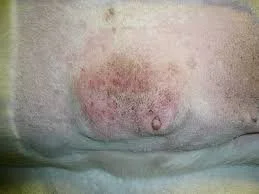
Mammary tumors are growths that develop in the mammary (breast) tissue. Dogs have five pairs of mammary glands, and tumors can appear in any of them. These tumors may be:
Benign (non‑cancerous)
Malignant (cancerous)
A mix of both types
About half of mammary tumors in dogs are malignant, meaning they have the potential to spread to other parts of the body. However, early detection dramatically improves the chances of successful treatment.
Mammary tumors can vary widely in appearance. Some are small and soft, others are firm and irregular. Some grow slowly, while others progress quickly. Because of this variation, any lump along the mammary chain should be evaluated by a veterinarian.
Why Do Mammary Tumors Develop?
The biggest risk factor for mammary tumors in dogs is hormonal exposure, specifically estrogen and progesterone. This is why spaying plays such a significant role in prevention.
Spaying and Risk Reduction
Research shows:
Spaying before the first heat cycle reduces the risk of mammary tumors to less than 1%.
Spaying after one heat cycle increases the risk to about 7%.
Spaying after two heat cycles increases the risk to 25%.
Spaying later in life still provides health benefits but does not significantly reduce the risk of mammary tumors.
This is why veterinarians strongly recommend early spaying — it’s one of the most effective cancer‑prevention steps you can take for your dog.
Other Risk Factors
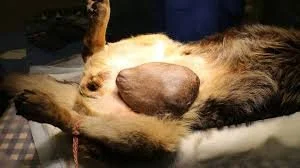
While hormones play the biggest role, other factors may contribute:
Genetics
Obesity at a young age
Certain diets
Environmental influences
Age (most common in dogs 7 years and older)
Even with perfect care, some dogs are simply more predisposed due to their biology.
What Do Mammary Tumors Look and Feel Like?
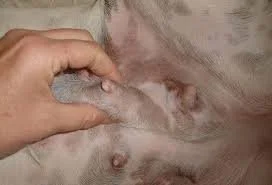
Mammary tumors can appear in many forms. You may notice:
A small, pea‑sized lump
A firm, irregular mass
Multiple lumps along the mammary chain
Swelling or thickening of the tissue
Ulcerated or inflamed skin over a lump
Discharge from a mammary gland
Some dogs show no discomfort at all, while others may lick at the area or show signs of pain.
Any new lump should be checked by a veterinarian, even if it seems small or harmless.
How Are Mammary Tumors Diagnosed?
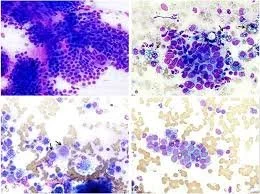
At Bushnell Animal Clinic, Dr. Roger Hart takes a thorough, compassionate approach to diagnosing mammary tumors. Diagnosis typically includes:
1. Physical Examination
A full exam helps determine:
The number of lumps
Their size and location
Whether they are attached to deeper tissues
Whether lymph nodes are enlarged
2. Fine Needle Aspirate (FNA)
A small needle is used to collect cells from the lump. While this can provide helpful information, mammary tumors often require additional testing because FNAs may not always distinguish benign from malignant tumors.
3. Biopsy or Surgical Removal
A biopsy or full removal of the tumor allows a pathologist to determine:
Whether the tumor is benign or malignant
The type of cancer
Whether the tumor has aggressive features
4. Staging Tests
If cancer is suspected, staging helps determine whether it has spread. This may include:
Chest X‑rays
Abdominal ultrasound
Bloodwork
Lymph node evaluation
Staging helps guide treatment decisions and gives a clearer picture of prognosis.
How Are Mammary Tumors Treated?
The primary treatment for mammary tumors in dogs is surgical removal. The extent of surgery depends on:
The size of the tumor
The number of tumors
Whether the tumor is attached to deeper tissues
The dog’s overall health
Surgical Options
Depending on the case, Dr. Hart may recommend:
Lumpectomy (removal of a small lump)
Simple mastectomy (removal of one gland)
Regional mastectomy (removal of several glands in a chain)
Complete unilateral mastectomy (removal of all glands on one side)
Surgery is often very successful, especially when tumors are caught early.
What About Chemotherapy or Radiation?
Some malignant tumors may benefit from additional treatments. While not all mammary cancers respond to chemotherapy, certain types do. Dr. Hart will discuss whether referral to an oncology specialist is recommended.
Pain Management and Recovery
After surgery, dogs typically recover well with:
Pain medication
Restricted activity
Monitoring of the incision
Follow‑up visits
Most dogs return to normal activity within 10–14 days.
Prognosis: What to Expect
Prognosis depends on several factors:
Better Prognosis
Small tumors
Benign tumors
Tumors removed early
No spread to lymph nodes or lungs
Younger dogs
More Guarded Prognosis
Large tumors
Ulcerated or rapidly growing tumors
Tumors that have spread
Certain aggressive cancer types
Early detection is the single most important factor in improving outcomes.
How to Check Your Dog for Mammary Tumors at Home
Regular at‑home checks can help you catch lumps early. Here’s a simple routine:
Gently run your hands along your dog’s belly.
Feel each mammary gland from front to back.
Look for lumps, swelling, or changes in texture.
Check both sides of the mammary chain.
Repeat monthly, especially in older or unspayed dogs.
If you find anything unusual, schedule an exam right away.
Can Mammary Tumors Be Prevented?
While not all cases can be prevented, you can significantly reduce your dog’s risk by:
Spaying before the first heat cycle
Maintaining a healthy weight
Feeding a balanced diet
Scheduling regular veterinary exams
Monitoring for lumps at home
Early spaying remains the most powerful preventive measure.
When to Call a Veterinarian
You should contact Bushnell Animal Clinic if you notice:
Any lump along the mammary chain
Swelling or redness of the mammary glands
Discharge from a gland
Rapidly growing masses
Lumps that feel fixed or irregular
Lethargy, decreased appetite, or weight loss
Even small lumps can be significant — early evaluation is always the safest choice.
How Bushnell Animal Clinic Can Help
At Bushnell Animal Clinic, we know how overwhelming it can feel to discover a lump on your dog. Dr. Roger Hart and our team are here to provide:
Gentle, thorough examinations
Accurate diagnosis and staging
Surgical expertise
Compassionate guidance
Long‑term monitoring and support
We treat every dog as if they were our own, and we’re committed to helping your pet live a comfortable, healthy life.
Call to Action
If you’ve found a lump on your dog or have concerns about mammary tumors, don’t wait. Early detection and treatment make all the difference.
Call Bushnell Animal Clinic today to schedule an exam with Dr. Roger Hart.
Your dog’s health, comfort, and future are our top priorities.
Frequently Asked Questions About Mammary Tumors in Dogs
What is a mammary tumor in dogs?
A mammary tumor is a growth that develops in the mammary glands (breast tissue) of a dog. These tumors can be benign or malignant and are most commonly seen in female dogs.
What causes mammary tumors in dogs?
Hormones play a major role in the development of mammary tumors. Dogs that are not spayed, or that were spayed later in life, have a higher risk of developing these tumors.
Are mammary tumors in dogs cancerous?
About half of mammary tumors in dogs are malignant (cancerous) and half are benign. Because it is difficult to determine this without testing, veterinary evaluation is important.
What does a mammary tumor look like in dogs?
Mammary tumors usually appear as firm lumps along the mammary chain on the chest or abdomen. They may be small and movable at first but can grow larger over time.
Are mammary tumors painful for dogs?
Some mammary tumors are painless in the early stages. However, larger tumors may become uncomfortable, inflamed, or ulcerated if they grow or become infected.
How are mammary tumors diagnosed in dogs?
Veterinarians typically diagnose mammary tumors through a physical examination and may recommend biopsy, cytology, or surgical removal so the tissue can be examined under a microscope.
What is the treatment for mammary tumors in dogs?
Treatment usually involves surgical removal of the tumor. In cases where the tumor is malignant, additional treatments such as chemotherapy may be recommended.
Can mammary tumors spread to other parts of the body?
Yes. Malignant mammary tumors can spread (metastasize) to the lungs or other organs. Early detection and treatment improve outcomes.
Does spaying prevent mammary tumors in dogs?
Spaying a dog before her first heat cycle greatly reduces the risk of mammary tumors. Spaying later in life provides less protection but may still offer benefits.
When should I see a veterinarian about a lump near my dog’s mammary glands?
Any lump along the mammary chain should be evaluated by a veterinarian as soon as it is noticed. Early diagnosis helps determine the best treatment options.
Related Dog Health Articles
You may also find these veterinary articles helpful:
• Dog Lump Under Skin
• Lipoma in Dogs
• Sebaceous Cyst in Dogs
• Dog Abscess
• Canine Papilloma Virus
• Hamartoma in Dogs
• Dog Skin Tumors
• Dog Warts and Skin Growths
