One Bite, Big Danger: Heartworm Prevention for Bushnell & Sumter County Dogs
Understanding Heartworms in Dogs: Life Cycle, Causes, Risks, Prevention, and the Best Medications
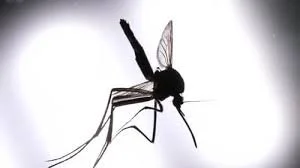
Heartworm disease is one of the most serious—and completely preventable—conditions affecting dogs in the United States. For dog owners in warm, mosquito‑heavy regions like Florida, understanding how heartworms spread, how they harm dogs, and how to prevent them is essential for keeping pets safe and healthy.
This comprehensive guide covers the life cycle, causes, risk factors, symptoms, mosquito behavior, and the most trusted prevention options, including Heartgard, Interceptor, and ProHeart 12.
🐛 What Are Heartworms?
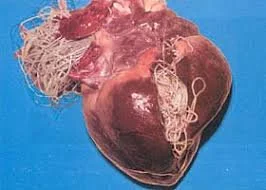
Heartworms (Dirofilaria immitis) are long, thin parasitic worms that live in the heart, lungs, and blood vessels of infected dogs. Adult worms can grow up to a foot long and cause severe, sometimes fatal, damage to the cardiovascular and respiratory systems.
Dogs are the natural host for heartworms, meaning the worms can mature, reproduce, and live for years inside a dog’s body.
🔄 The Heartworm Life Cycle
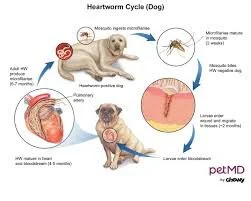
Understanding the heartworm life cycle helps explain why prevention is so important.
A mosquito bites an infected animal and picks up microfilariae (baby heartworms).
Over 10–14 days, the microfilariae develop into infective larvae inside the mosquito.
The mosquito bites a dog and deposits the larvae onto the skin.
The larvae enter the dog’s bloodstream and migrate through tissues.
Over 6–7 months, they mature into adult heartworms in the heart and lungs.
Once mature, they reproduce and release more microfilariae, continuing the cycle.
🦟 How Mosquitoes Spread Heartworms
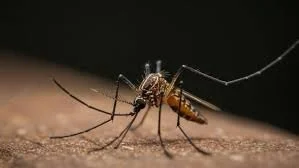
Only the bite of an infected mosquito can transmit heartworms. Dogs cannot get heartworms from other dogs, from the environment, or from contaminated surfaces.
Mosquitoes thrive in warm, humid climates—making Florida one of the highest‑risk states for heartworm disease.
🦟 How Far a Mosquito Can Fly in a Day
Because mosquitoes are the only way heartworms spread, understanding their travel range helps explain why even indoor or suburban dogs remain at risk.
Most mosquito species fly 1–3 miles per day, but several species common in the southeastern U.S. can travel up to 7 miles in a single day. Some salt‑marsh mosquitoes have been documented traveling 20–40 miles with the help of wind currents.
This means:
A mosquito carrying infective larvae can easily move between neighborhoods.
Dogs do not need to live near standing water to be exposed.
Indoor dogs remain vulnerable because mosquitoes enter homes through doors, windows, and clothing.
Because mosquitoes can travel so far and remain active nearly year‑round in Florida, consistent heartworm prevention is essential.
🌡️ What Causes Heartworm Disease?
The only cause of heartworm disease is the bite of an infected mosquito. Dogs cannot get heartworms from:
Other dogs
Grass, soil, or water
Fleas or ticks
Eating contaminated food
Mosquitoes are present in all 50 states, and climate change has expanded their range and activity.
⚠️ Which Dogs Are Most at Risk?
Any dog can get heartworms, but certain factors increase risk:
Outdoor exposure
Living in warm climates
High mosquito populations
Missed or inconsistent prevention
Rescue dogs with unknown medical history
Dogs near lakes, ponds, or wooded areas
Even indoor dogs are at risk—mosquitoes only need a few seconds to bite.
🩺 Symptoms of Heartworm Disease
Early heartworm disease often has no symptoms, which is why annual testing is essential. As the disease progresses, dogs may show:
Persistent cough
Fatigue after mild activity
Weight loss
Difficulty breathing
Swollen abdomen
Collapse (in severe cases)
A veterinarian should evaluate any concerning signs promptly.
🧪 Why Heartworm Testing Matters
A yearly heartworm test is recommended for all dogs—even those on prevention. Testing ensures:
Prevention is working
No doses were missed
Your dog is safe to continue medication
Giving prevention to a dog with an active infection can be dangerous, so testing is a critical safety step.
🛡️ Heartworm Prevention Options
Heartworm prevention is safe, affordable, and highly effective. Most products also protect against other parasites like roundworms, hookworms, and sometimes fleas or ticks.
💊 Heartgard: A Monthly Chew Dogs Love
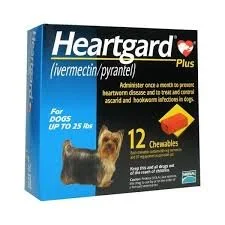
Heartgard (ivermectin) is one of the most widely used heartworm preventatives.
Benefits:
Beef‑flavored chew dogs love
Protects against heartworms, roundworms, and hookworms
Easy to give monthly
Safe for most breeds, including Collies
Best For: Dogs who enjoy chewable treats and do well with monthly routines.
💊 Interceptor: Broad Parasite Protection
Interceptor (milbemycin oxime) is another monthly chewable option.
Benefits:
Prevents heartworms
Treats and controls roundworms, hookworms, and whipworms
Good for multi‑pet households needing broad coverage
Best For: Dogs needing extra intestinal parasite protection.
💉 ProHeart 12: A Once‑Yearly Injection

ProHeart 12 is a veterinarian‑administered injection that provides 12 months of continuous protection.
Benefits:
No monthly doses to remember
Ideal for forgetful owners
Great for dogs with food sensitivities
Year‑round coverage in one visit
Best For: Owners who prefer a “set it and forget it” approach.
💉 Why Dr. Hart Loves ProHeart 12

Dr. Hart strongly prefers ProHeart 12 for many dogs because it solves the biggest challenge in heartworm prevention: staying consistent. Most cases of heartworm disease happen when a dog misses just one or two monthly doses. Even responsible pet owners get busy, travel, or simply forget. ProHeart 12 removes that risk entirely by providing a full year of uninterrupted protection with a single injection.
Dr. Hart also appreciates that ProHeart 12 is ideal for dogs with food sensitivities or picky appetites who may not tolerate flavored chews like Heartgard or Interceptor. Because the medication is delivered under the skin rather than through the digestive system, it avoids issues with allergies, stomach upset, or dogs who hide or spit out pills.
Living in Florida adds another layer of importance. With warm weather, high humidity, and mosquitoes capable of traveling miles in a single day, exposure is constant. ProHeart 12 ensures there are no gaps in protection during peak mosquito seasons—or any season at all.
Finally, Dr. Hart values how ProHeart 12 pairs perfectly with annual wellness visits. Dogs receive a full physical exam, updated testing, and a year of guaranteed heartworm protection all at once. This makes preventive care simpler, safer, and more reliable for both pets and their families.
🐶 Which Prevention Is Best?
Choosing between Heartgard, Interceptor, and ProHeart 12 depends on:
Your dog’s lifestyle
Your ability to give monthly doses
Whether your dog has food allergies
Your vet’s recommendations
Your dog’s weight and health history
All three are effective—consistency is what matters most.
🏡 Why Prevention Is Better Than Treatment
Treating heartworm disease is:
Expensive (often $1,000–$2,000+)
Lengthy (months of strict activity restriction)
Risky (worms die inside the body, which can cause complications)
Prevention costs only a few dollars per month and avoids the suffering and danger of treatment.
🐾 Why Dogs Love Heartgard and Interceptor
Many dogs consider Heartgard and Interceptor their “favorite treats” because:
They’re flavored and chewy
They smell like real meat
They’re easy to chew and swallow
They feel like a reward, not medicine
This makes monthly prevention simple for most families.
❤️ Final Thoughts
Heartworm disease is dangerous, widespread, and potentially fatal—but also 100% preventable with consistent care. Whether you choose a monthly chew like Heartgard or Interceptor, or a yearly injection like ProHeart 12, the most important step is staying on schedule and working with your veterinarian.
📍 Keep Your Dog Protected Year‑Round in Bushnell and Surrounding Counties
Pet owners in Bushnell, Sumter County, and nearby communities like Webster, Center Hill, Inverness, and Lake Panasoffkee face some of the highest mosquito pressure in Florida—and that means a higher risk of heartworm disease. With just one bite from an infected mosquito, your dog could be exposed. That’s why Dr. Hart is passionate about keeping local pets protected with trusted preventatives like Heartgard, Interceptor, and the once‑yearly ProHeart 12.
If you’re in Bushnell or the surrounding counties, now is the perfect time to get your dog protected. Dr. Hart’s team makes prevention simple, affordable, and stress‑free—so your pet stays safe all year long. Book your appointment today and give your dog the strongest defense against heartworms available.
Here is a copy-paste FAQ section you can add to the bottom of your Heart Disease in Dogs blog post on Squarespace.
Frequently Asked Questions About Heart Disease in Dogs
What is heart disease in dogs?
Heart disease refers to conditions that affect the heart’s ability to pump blood effectively. It can involve the heart valves, heart muscle, or blood vessels and may lead to heart failure if untreated.
What causes heart disease in dogs?
Heart disease in dogs can be caused by age-related valve degeneration, congenital heart defects, infections, heartworm disease, or diseases affecting the heart muscle.
Which dogs are most likely to develop heart disease?
Heart disease is more common in older dogs, although some congenital heart conditions can occur in puppies. Certain breeds may also have a higher risk depending on the specific heart condition.
What are the symptoms of heart disease in dogs?
Common signs include coughing, difficulty breathing, fatigue, decreased exercise tolerance, fainting, and swelling of the abdomen due to fluid buildup.
How is heart disease diagnosed in dogs?
Veterinarians diagnose heart disease through a physical examination, listening for heart murmurs, chest X-rays, electrocardiograms (ECG), blood tests, and sometimes echocardiography (heart ultrasound).
Can heart disease in dogs be treated?
While many forms of heart disease cannot be cured, medications and lifestyle management can often control symptoms and improve a dog’s quality of life.
What is congestive heart failure in dogs?
Congestive heart failure occurs when the heart cannot pump blood effectively, leading to fluid buildup in the lungs or abdomen. It is a common complication of advanced heart disease.
Is heart disease in dogs painful?
Heart disease itself may not cause pain, but it can lead to fatigue, breathing difficulty, and reduced activity levels that affect a dog’s comfort and quality of life.
How long can dogs live with heart disease?
Many dogs live months or even years with heart disease when it is properly managed with veterinary care and medication.
When should I take my dog to the veterinarian for possible heart disease?
If your dog develops coughing, breathing difficulty, exercise intolerance, fainting episodes, or unusual fatigue, it is important to seek veterinary evaluation.
