The Complete Guide to Fleas, Ticks, and Protecting Your Pets: Diseases, Allergies & Today’s Best Preventatives
The Complete Guide to Fleas, Ticks, and Protecting Your Pets: Diseases, Allergies & Today’s Best Preventatives
Fleas and ticks are more than just a nuisance—they’re among the most common external parasites affecting dogs and cats, and they carry a long list of illnesses that can impact both pets and people. As warmer weather lasts longer each year, veterinarians across the country are seeing flea and tick seasons stretch well beyond the summer months. That means year‑round protection is no longer optional; it’s essential.
This guide breaks down everything pet owners need to know: how fleas and ticks spread, the diseases they carry, how to recognize infestations, and the most effective modern preventatives—including NexGard, Simparica, and Bravecto Quantum, a favorite among many veterinarians like Dr. Hart for its long‑lasting protection.
Understanding Fleas: Tiny Pests With Big Consequences
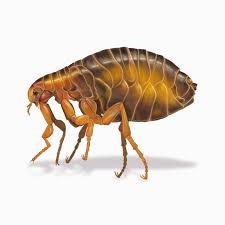
Fleas are small, wingless insects that feed on blood. They reproduce rapidly—one female flea can lay up to 50 eggs per day—making infestations difficult to control once they begin.
Common Flea‑Related Problems in Pets
Flea Allergy Dermatitis (FAD) Many pets are allergic to flea saliva. Even a single flea bite can trigger intense itching, hair loss, scabbing, and skin infections.
Anemia Heavy infestations can cause significant blood loss, especially in puppies, kittens, and small breeds.
Tapeworms Pets can ingest infected fleas while grooming, leading to tapeworm infections.
Hot Spots & Secondary Skin Infections Constant scratching breaks the skin barrier, allowing bacteria to thrive.
Fleas and Human Health
While fleas prefer animals, they can bite humans too. Fleas have historically been linked to serious illnesses such as plague and typhus, though these are rare in the U.S. today. Still, flea infestations in the home can cause:
Itchy bites
Allergic reactions
Transmission of tapeworms (rare but possible)
Understanding Ticks: Slow Movers With Serious Risks
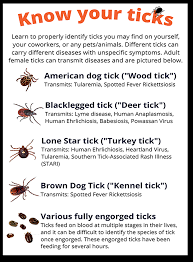
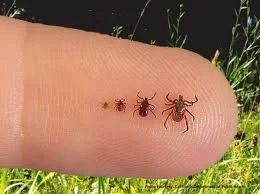
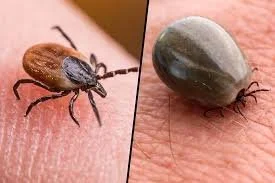
Ticks are arachnids, not insects, and they attach firmly to the skin to feed for hours or days. They thrive in wooded areas, tall grass, and even suburban backyards.
Zoonotic Diseases Ticks Can Carry
Ticks are notorious for spreading zoonotic diseases—illnesses that can pass from animals to humans. Some of the most common include:
Lyme Disease Caused by Borrelia burgdorferi, Lyme disease can affect joints, kidneys, and the nervous system in pets and people.
Ehrlichiosis Spread by the brown dog tick, this disease can cause fever, bleeding disorders, and chronic illness.
Anaplasmosis Similar to Lyme disease, often causing joint pain, fever, and lethargy.
Rocky Mountain Spotted Fever (RMSF) A potentially life‑threatening illness that affects both pets and humans.
Babesiosis A parasite that infects red blood cells, leading to anemia and weakness.
Tularemia Rare but serious, affecting multiple organ systems.
Why Ticks Are a Year‑Round Threat
Ticks can survive cold weather by going dormant and reactivating when temperatures rise. Many species remain active anytime temps are above 40°F, making year‑round prevention crucial.
Signs Your Pet May Have Fleas or Ticks
Flea Symptoms
Excessive scratching or biting at the skin
“Flea dirt” (tiny black specks)
Red bumps or scabs
Hair loss, especially near the tail
Pale gums (possible anemia)
Tick Symptoms
A visible tick attached to the skin
Scabs or bumps where ticks were attached
Sudden lameness or joint pain
Fever, lethargy, or loss of appetite
Swollen lymph nodes
If you notice any of these signs, a veterinarian should evaluate your pet. They can rule out infections and recommend appropriate treatment.
How Fleas and Ticks Enter Your Home
Even indoor pets are at risk. Fleas and ticks can enter through:
Other animals (dogs, cats, wildlife)
Shoes and clothing
Carpets, bedding, and furniture
Cracks in flooring or baseboards
Outdoor patios and screened porches
Once inside, fleas can reproduce rapidly, and ticks can survive for months without feeding.
Why Year‑Round Prevention Matters
Many pet owners stop preventatives during winter, assuming pests die off. Unfortunately:
Fleas can survive indoors year‑round.
Ticks remain active in mild winters.
Climate change is expanding parasite seasons.
Most flea and tick diseases occur during “shoulder seasons”—spring and fall.
Veterinarians now recommend 12‑month protection for all dogs and cats.
Top Flea & Tick Preventatives: NexGard, Simparica & Bravecto Quantum
Modern preventatives are safer and more effective than ever. Here’s a breakdown of today’s most trusted options.
NexGard: A Popular Monthly Chew

NexGard is a beef‑flavored chewable given once a month. It kills fleas quickly and is highly effective against several tick species.
Key Benefits
Fast‑acting flea kill
Effective against black‑legged ticks, lone star ticks, and more
Easy to give—most dogs love the taste
Safe for puppies as young as 8 weeks (with weight requirements)
Best For
Pet owners who prefer a monthly routine and want strong tick protection.
Simparica: Powerful Protection With Broad Coverage
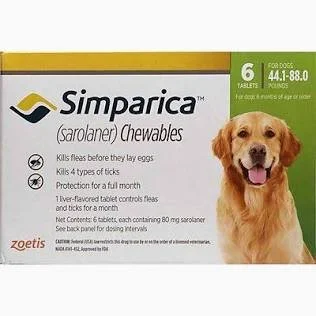
Simparica is another monthly chewable known for its potency and reliability.
Key Benefits
Kills fleas before they can lay eggs
Effective against five species of ticks
Maintains strength for the full 30 days
Helps prevent reinfestations
Best For
Dogs in high‑tick areas or those with recurring flea problems.
Bravecto Quantum: Dr. Hart’s Favorite for Long‑Lasting Protection

Bravecto Quantum is a standout because it provides extended‑duration protection, reducing the number of doses needed each year. Many veterinarians, including Dr. Hart, prefer it for its convenience and reliability.
Key Benefits
Long‑lasting protection (depending on formulation)
Kills fleas and multiple tick species
Reduces the risk of missed doses
Ideal for busy families or pets who dislike monthly chews
Best For
Owners who want fewer treatments per year without sacrificing protection.
How to Choose the Right Preventative
Every pet is different. Factors to consider include:
Age and weight
Lifestyle (indoor vs. outdoor)
Local parasite risks
Any history of allergies or sensitivities
Your ability to maintain a monthly schedule
Veterinary recommendations
A veterinarian can help determine which product is safest and most effective for your pet’s needs.
Environmental Control: The Missing Piece of Flea & Tick Prevention
Even the best medication won’t solve the problem if the environment is infested.
Home Treatment Tips
Vacuum carpets, rugs, and furniture daily during infestations
Wash bedding in hot water
Use pet‑safe home sprays or professional pest control
Treat all pets in the household, not just one
Outdoor Prevention Tips
Keep grass trimmed
Remove leaf litter
Create a gravel barrier between wooded areas and your yard
Discourage wildlife that carry ticks (raccoons, deer, opossums)
When to See a Veterinarian
Seek veterinary care if your pet shows:
Persistent itching
Hair loss or skin infections
Lethargy, fever, or joint pain
Loss of appetite
Pale gums
A tick that has been attached for an unknown amount of time
A veterinarian can test for tick‑borne diseases and recommend appropriate treatment. For any medical concerns, it’s important to consult a licensed veterinarian who can evaluate your pet in person.
Final Thoughts: Protecting Your Pet Year‑Round
Fleas and ticks aren’t just seasonal pests—they’re year‑round threats that can cause serious illness in pets and people. With modern preventatives like NexGard, Simparica, and Bravecto Quantum, protecting your pet has never been easier or more effective.
Consistent prevention, environmental control, and regular veterinary checkups are the keys to keeping your pets healthy, comfortable, and parasite‑free.
Protect your pet year‑round. Fleas and ticks don’t take a season off—and neither should your prevention plan. If you’re unsure which product is right for your dog, schedule a visit with our team today. We’ll help you choose the safest, most effective option, whether that’s NexGard, Simparica, or Dr. Hart’s preferred long‑lasting protection, Bravecto Quantum. Call now to book your appointment and keep your pet parasite‑free.
Here is a copy-paste FAQ section you can add to the bottom of your Complete Guide to Fleas in Dogs blog post on Squarespace.
Frequently Asked Questions About Fleas in Dogs
What are fleas?
Fleas are small, wingless parasites that feed on the blood of animals such as dogs and cats. They can cause itching, skin irritation, and can transmit certain diseases.
How do dogs get fleas?
Dogs usually get fleas from contact with other animals or environments where fleas are present. Fleas can live in grass, soil, bedding, carpets, and furniture.
What are the signs that my dog has fleas?
Common signs include excessive scratching, biting or licking the skin, hair loss, red irritated skin, and the presence of small black specks called flea dirt.
What is flea dirt?
Flea dirt is flea feces made of digested blood. It looks like small black pepper-like specks on your dog’s skin or fur.
Are fleas harmful to dogs?
Yes. Fleas can cause severe itching, skin infections, allergic reactions, and in severe cases can lead to anemia, especially in puppies.
Can fleas live in my home?
Yes. Fleas can live in carpets, bedding, furniture, and other areas of the home. Flea eggs and larvae can survive in the environment and reinfest pets.
How are fleas treated in dogs?
Treatment usually involves flea control products such as topical medications, oral treatments, flea collars, and environmental cleaning to remove fleas from the home.
How can fleas be prevented?
Regular flea prevention medications recommended by your veterinarian are the best way to prevent flea infestations.
Can fleas bite humans?
Yes. Fleas can bite humans, causing itchy red bumps, although they prefer to live on animals.
How long do fleas live?
Fleas can live several weeks to months depending on environmental conditions. Their life cycle includes eggs, larvae, pupae, and adult fleas.
