Understanding Dog Vomiting Yellow Bile: Causes and Treatments
Dog Vomiting Yellow Bile: When to Worry & How Bushnell Animal Clinic Can Help
Fast Answers: Is Yellow Vomit in Dogs an Emergency?
If your dog is throwing up yellow liquid, you are probably wondering whether this is a minor stomach upset or something more serious. Yellow vomit in dogs is often caused by bile, which is a digestive fluid produced by the liver and stored in the gallbladder, and it typically indicates that the stomach is empty. One isolated episode in an otherwise bright, playful dog can often be monitored at home.
However, if your dog vomits yellow bile more than once in 24 hours, or if they show other symptoms such as lethargy or diarrhea, you should seek veterinary care the same day. It is important to monitor your dog's condition closely, especially if your dog's symptoms worsen or new symptoms develop. Signs that a dog’s vomiting may require veterinary attention include evaluating the dog's symptoms for persistent vomiting for more than 24 hours and the presence of blood in the vomit.
CALL BUSHNELL ANIMAL CLINIC NOW IF: Your dog has vomited 3+ times in 24 hours, shows belly pain (guarding or hunching), has blood in vomit or stool, appears lethargic, or is a puppy or senior dog. HEAD TO A 24/7 EMERGENCY HOSPITAL FOR: Collapse, abdominal bloating, pale gums, breathing distress, or known toxin exposure.
When to call during business hours vs. seek emergency care:
Call Bushnell Animal Clinic: 1-2 vomiting episodes with mild appetite loss, yellow vomiting in an adult dog who otherwise seems okay, or questions about monitoring at home
Go to emergency veterinarian immediately: Collapse, extreme weakness, swollen abdomen, unvaccinated puppy throwing up, or any dog with bloody vomit or dark tarry stool
Prompt assessment and diagnostics can usually identify the underlying cause and guide treatment. Dr. Roger Hart and our team at Bushnell Animal Clinic help dog owners throughout Bushnell and Central Florida navigate these situations every day.
What Is Yellow Bile in Dogs?
Bile is a yellow-green digestive fluid made in the liver and stored in the gallbladder before being released into the small intestine. This intestinal fluid helps break down fats and supports absorption of fat-soluble vitamins A, D, E, and K during digestion. A dog's yellow vomit is typically bile, which often appears as a yellow or greenish liquid or foam due to its origin in the liver and gallbladder.
Bile is alkaline (pH around 7.5-8.5) and normally does not sit in the stomach. When bile backflows from the duodenum into the dog’s stomach, it mixes with stomach acid and mucus, producing the characteristic yellow foam or yellow liquid owners notice. This reflux often happens when the stomach is empty for extended periods.
Yellow, yellow-green, or foamy vomit typically indicates bile, especially when there is no food in the stomach to absorb it. When dogs vomit yellow, it is often a symptom of bile accumulation due to fasting, digestive upset, or underlying health problems such as pancreatitis. Bile itself is not a disease—it is a clue that something is irritating the stomach lining or upper digestive tract, which may be mild or require veterinary care.
Why Is My Dog Throwing Up Yellow Bile?
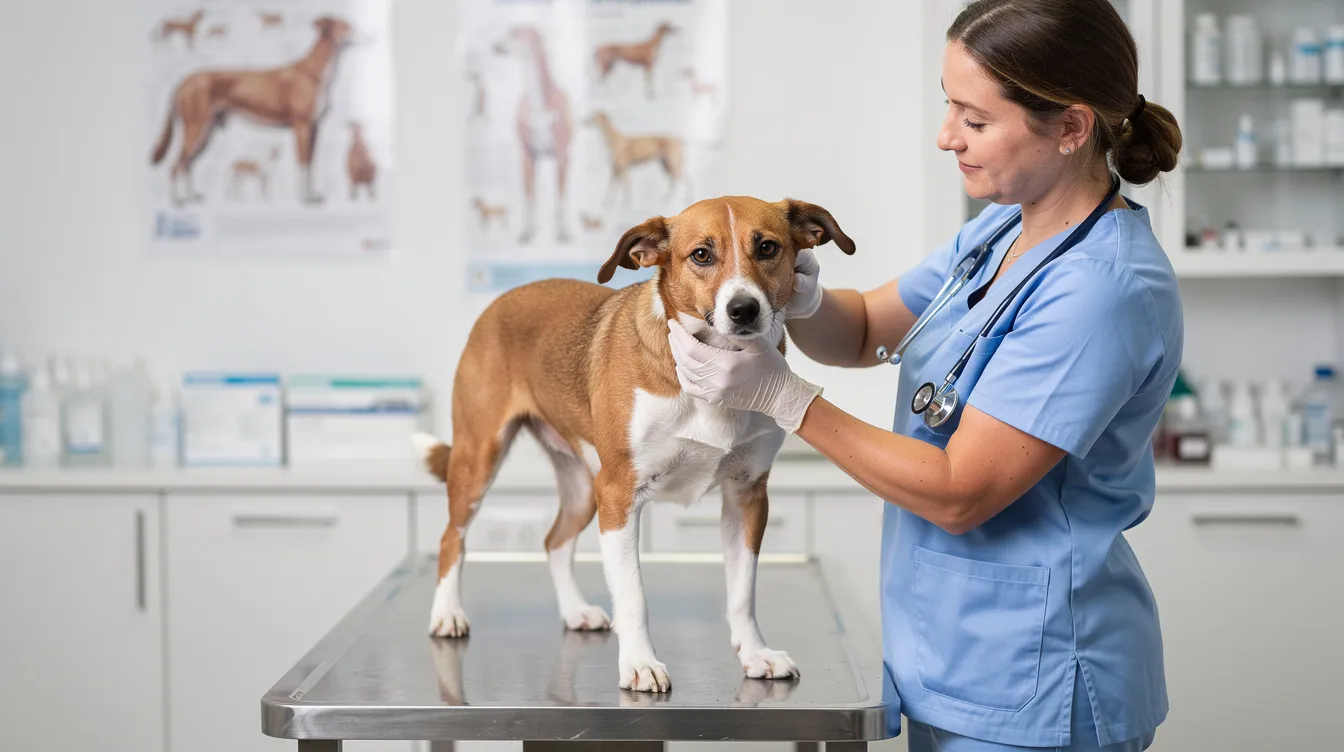
The causes of dog vomiting yellow bile range from simple issues like an empty stomach or dietary indiscretion in dogs—such as eating inappropriate items like garbage, grass, or table scraps—to more serious health conditions including blockages, pancreatitis, and endocrine disease. Most dogs will experience vomiting yellow bile at some point, making it a common concern for pet owners. Only a veterinarian can reliably determine which category your dog falls into.
At Bushnell Animal Clinic, diagnosis is based on history, physical exam, and targeted tests. Noticing patterns—time of day, what your dog ate, and other symptoms—can help Dr. Hart narrow down the cause more quickly. The sections below cover the most common reasons dogs vomit bile.
Empty Stomach, “Hunger Pukes,” and Bilious Vomiting Syndrome
Many dogs experience “hunger pukes”—throwing up yellow bile early in the morning or late at night after going many hours without food. This happens because a long fasting period allows bile buildup in an empty stomach with nothing to buffer it.
Bilious Vomiting Syndrome (BVS) occurs when bile leaks into the stomach from the small intestine, often after a long fasting period, leading to vomiting bile, especially in the morning. Dogs with bilious vomiting syndrome BVS are typically bright and hungry before and after the episode, vomiting a small amount of yellow or foamy fluid once, often around 4-7 a.m.
BVS is diagnosed by ruling out more serious problems. A late-evening meal can relieve symptoms of bilious vomiting syndrome by preventing the stomach from being empty for too long. Some dogs also benefit from prokinetic medications. Bushnell owners noticing predictable early morning yellow vomiting several times a week should schedule a non-emergency appointment with Dr. Hart.
Dietary Indiscretion and Sudden Diet Changes
Dietary indiscretion is the medical term for eating things a dog should not—garbage, table scraps, greasy leftovers, or yard debris. Dietary indiscretion, such as consuming grass, garbage, or high-fat foods, can provoke bile vomiting in dogs by irritating the digestive system.
Common Central Florida scenarios include getting into the trash after a cookout, raiding the cat’s food bowl, or snacking on mulch and plant material in the yard. Fatty foods are especially likely to trigger vomiting and gastrointestinal irritation.
Gradually transitioning to new foods over 7-10 days can help prevent digestive upset in dogs when changing their diet. If you suspect a link between vomiting and recent food changes or known “raids” on the garbage, mention this during your vet visit. While mild cases may settle with a bland diet, repeated vomiting or signs of abdominal pain warrant same-day evaluation.
Gastrointestinal Inflammation and Disease
Gastrointestinal diseases such as inflammatory bowel disease, pancreatitis, and ulcers can lead to yellow vomiting in dogs, indicating irritation in the digestive tract that requires veterinary attention. Gastritis, gastroenteritis, and acid reflux also fall into this category.
Signs beyond yellow vomiting include:
Loss of appetite
Drooling or lip-licking
Weight loss
Intermittent diarrhea
“Praying position” posturing from abdominal discomfort
Some breeds—Bulldogs, toy breeds, Labrador Retrievers, and Poodles—can be more prone to sensitive stomachs or inflammatory bowel disease. Diagnosis often requires bloodwork, fecal testing, and sometimes X-rays or ultrasound. Mention chronic digestive issues to Dr. Hart, even if your dog seems “mostly fine,” because early internal medicine care improves long-term comfort.
Pancreatitis
Pancreatitis is inflammation of the pancreas that often causes repeated bile vomiting, belly pain, and lethargy. Pancreatitis and intestinal blockages from swallowing foreign objects can lead to increased bile vomiting and require prompt attention.
Common triggers include high-fat meals like bacon grease, fried foods, or rich table scraps. Signs may appear within 24 hours to several days after a fatty meal and can escalate quickly.
Additional signs include:
Hunched posture
Refusing food
Diarrhea
Fever
Painful abdomen when touched
Suspected pancreatitis is urgent and needs prompt veterinary care with diagnostics (blood tests like cPLI, possibly imaging) and supportive treatment including fluids, pain relief, and anti-nausea medications.
Addison’s Disease and Other Hormonal Disorders
Addison’s disease (hypoadrenocorticism) occurs when the adrenal glands do not produce enough corticosteroids and mineralocorticoids. Dogs may show sporadic vomiting (sometimes with bile), diarrhea, poor appetite, weight loss, weakness, and seem to “crash” during stress.
Addison’s is often called “the great pretender” because it mimics many illnesses including gastrointestinal problems. Diagnosis requires specific blood tests and sometimes ACTH stimulation testing. Untreated Addisonian crises—severe collapse, vomiting, shock—are life-threatening emergencies requiring immediate emergency care.
Other endocrine issues like diabetes or liver disease can also contribute to vomiting and require comprehensive internal medicine evaluation at Bushnell Animal Clinic.
Intestinal Blockages and Foreign Objects
Intestinal blockages caused by foreign objects or tumors can prevent food and bile from moving through the digestive system, leading to yellow vomiting and requiring immediate veterinary care. Common culprits include socks, toys, corn cobs, peach pits, and bone fragments.
Hallmark signs of a foreign body obstruction:
Repeated vomiting (starting with food, progressing to yellow bile)
Not wanting to eat
Painful or bloated abdomen
Straining to defecate or producing very little stool
Sudden lethargy
Blockages are true emergencies and can become life-threatening within hours due to tissue damage or rupture. Treatment typically involves X-rays or ultrasound and usually surgery. If you saw your dog swallow a suspicious item, call Bushnell Animal Clinic or the nearest emergency veterinarian immediately.
Food Allergies and Sensitivities
Chronic vomiting with or without bile, especially paired with itchy skin, ear infections, or soft stools, may indicate food allergies or food sensitivities. Sudden changes in diet or exposure to certain allergens can disrupt your dog's digestive system, leading to stomach upset and vomiting. Common canine allergens include beef, chicken, dairy, wheat, soy, and egg, with true allergies often developing between 1 and 5 years of age.
Veterinarians may recommend a strict 8-12 week elimination diet trial using a novel protein or hydrolyzed prescription food. No treats, table scraps, or flavored medications should be given during a diet trial unless approved. Bushnell Animal Clinic can help design a realistic, affordable plan to identify and manage your dog’s digestive health concerns.
When to Worry: Is My Dog’s Yellow Vomit an Emergency?
Frequency, severity, and other symptoms determine urgency more than color alone. Symptoms of dehydration in dogs include dry gums, sunken eyes, and a loss of skin elasticity—all signs that warrant immediate attention.
Call now or seek emergency care if your dog has:
3 or more vomiting episodes in 24 hours
Vomiting plus collapse or extreme weakness
Swollen or bloated abdomen
Vomiting with dark coffee-ground material or bright red blood
Yellow vomiting in unvaccinated puppies
Any dog with bile vomiting plus black tarry stool, pale gums, trouble breathing, or known toxin ingestion requires immediate emergency care. Lethargy, weakness, and refusal to eat or drink for more than 24 hours are concerning signs in dogs experiencing vomiting.
Puppies and senior dogs dehydrate and destabilize faster and should be seen sooner. If vomiting persists or your dog’s condition worsens, seek veterinary attention promptly.
What You Can Do at Home Before Seeing the Vet

Home care is appropriate only for stable dogs after a single mild episode. If your dog is vomiting yellow bile, withholding food for a few hours can help their stomach settle, but small sips of water can be offered to prevent dehydration if they haven’t vomited for at least two hours.
Simple steps for stable dogs:
Withhold food for 6-12 hours after vomiting (shorter for puppies)
Offer small sips of water if no more vomiting occurs
Monitor closely for changes in behavior or further complications
Do not give over-the-counter human medications like Pepto-Bismol, ibuprofen, or Tylenol without explicit veterinary approval. Introducing a bland diet, such as boiled skinless chicken and plain white rice, is recommended following a fasting period for vomiting dogs—but only after vomiting continues to resolve.
Monitoring your dog’s vomiting frequency and any accompanying symptoms is crucial for providing your veterinarian with helpful information during an evaluation. Note times, contents, recent diet changes, and possible garbage access. If more than one episode occurs or your dog seems uncomfortable, stop home care and go directly to a veterinary clinic.
How Bushnell Animal Clinic Diagnoses Yellow Vomiting in Dogs
Our approach involves thorough history-taking, careful physical exam, and stepwise diagnostics as needed. Dr. Roger Hart considers age, breed, vaccine status, diet, and underlying health issues when building a differential diagnosis list.
Common diagnostic tools your veterinarian may recommend include a fecal exam to look for intestinal parasites, a CBC and chemistry panel to evaluate organ function and check for signs of infection or inflammation, and a urinalysis to help assess hydration status and kidney function. In some cases, abdominal X-rays are useful for spotting blockages, foreign material, or abnormal gas patterns. An abdominal ultrasound may also be recommended to get a closer look at the organs and check for inflammation, masses, or other structural changes.
For complex or chronic cases, advanced diagnostics like bile acid tests, cPLI for pancreatitis, or endoscopy may be coordinated with local referral centers. Our goal is balancing cost, comfort, and diagnostic value while discussing treatment plans clearly before proceeding.
Treatment Options: Helping Your Dog Feel Better
Treatment depends on the underlying condition, severity of vomiting, and your dog’s overall health. Supportive care commonly used in-clinic includes anti-nausea injections, gastroprotectant medications, fluids to correct dehydration, and pain control when needed.
Treatment examples by condition:
BVS: Consistent feeding schedule adjustments, late-night snack, sometimes prokinetic medications
Pancreatitis: Hospitalization, IV fluids, pain management, anti-nausea medication
Foreign body obstruction: Surgery or endoscopy to remove the object
Addison’s disease: Hormone replacement therapy
IBD/food allergies: Prescription diets, sometimes immunosuppressive medications
Some dogs need short hospital stays, while others can be managed outpatient. Following dosing instructions closely and scheduling recommended rechecks ensures vomiting is truly resolving.
Preventing Future Episodes of Yellow Vomit
Many causes of bile vomiting can be reduced with preventive care and daily habits. Feeding smaller, more frequent meals throughout the day can help prevent bile buildup in dogs that vomit due to an empty stomach.
Prevention strategies:
Feed a high-quality, veterinarian-recommended diet
Use frequent meals for dogs prone to morning vomiting
Add a bedtime snack when advised
Secure trash and avoid fatty table scraps
Keep dangerous objects (socks, toys, bones) out of reach
Supervise dogs that chew indiscriminately
Regular wellness care at Bushnell Animal Clinic—including exams, parasite prevention, core vaccinations, and senior lab panels—helps catch early disease. Keep a simple “vomiting diary” if your dog has a sensitive stomach, and bring this record to appointments to help Dr. Hart fine-tune long-term management.
When to Call Bushnell Animal Clinic (and When to Seek Emergency Care)
Call our clinic if your dog has more than one episode of yellow vomiting in 24 hours, any vomiting in a puppy or elderly pet, vomiting plus diarrhea, or if your dog just “doesn’t seem right.” These thresholds help ensure timely veterinary care before your dog’s symptoms worsen.
Bushnell Animal Clinic handles urgent daytime evaluations but does not operate 24/7. After hours, owners may be referred to nearby Central Florida emergency hospitals. Call ahead so our team can advise whether to come straight in, monitor at home briefly, or go to an emergency facility.
Store our clinic’s phone number and a local emergency hospital’s number in your phone and on the fridge for quick access. Noticing yellow vomit early and acting promptly—whether by a phone call or a visit—gives pets in Bushnell and surrounding communities the best chance for a swift, comfortable recovery. When it comes to your dog’s digestive health, early attention can make all the difference.
