Why Is My Dog Vomiting? When It’s More Than a Simple Upset Stomach
Why Is My Dog Vomiting? When It’s More Than a Simple Upset Stomach
If your dog throws up once and then goes back to acting normal, eating, drinking, and playing, the cause may be mild. But when vomiting keeps happening, comes with other symptoms, or your dog seems tired, painful, dehydrated, or not quite right, it can be a sign of a more serious medical problem. At Bushnell Animal Clinic, we help dog owners in Bushnell, FL and surrounding Central Florida communities understand when vomiting is minor and when it needs prompt veterinary attention.
Vomiting is one of the most common reasons people bring dogs to the veterinarian. It can happen after eating too fast, chewing on something unusual, switching foods too quickly, or developing stomach irritation. It can also be linked to intestinal parasites, infections, pancreatitis, toxin exposure, food intolerance, inflammatory disease, endocrine illness, kidney disease, liver disease, or even an intestinal blockage. That is why repeated vomiting should never be ignored.
For some dogs, vomiting is a short-lived issue. For others, it is the first visible sign that something deeper is going on. Knowing what to watch for can help you decide when your dog needs to be seen.
What Counts as Vomiting in Dogs?
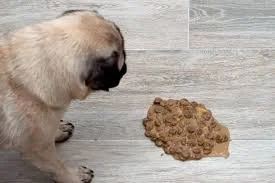
Vomiting is the forceful expulsion of stomach or upper intestinal contents. It is different from regurgitation, which is usually more passive and may happen soon after eating without much retching.
Dogs that are vomiting may:
retch or heave before bringing material up
drool excessively
lick their lips repeatedly
swallow hard or seem nauseated
vomit food, fluid, bile, foam, or partially digested material
Some dogs vomit once and feel better. Others vomit several times in a day, continue to feel sick, or start showing other symptoms like lethargy, diarrhea, abdominal discomfort, weakness, or refusal to eat.
Common Reasons Dogs Vomit
Vomiting is a symptom, not a diagnosis. The cause can range from mild stomach irritation to a potentially life-threatening condition.
Dietary Indiscretion
Many dogs eat things they should not. Table scraps, greasy foods, spoiled food, plants, trash, bones, or random objects found outside can irritate the stomach and trigger vomiting.
Eating Too Fast
Some dogs gulp food quickly and then vomit shortly after eating. This is not always serious, but frequent episodes still deserve attention.
Sudden Diet Changes
Changing dog food too quickly can upset the digestive tract and lead to vomiting or diarrhea.
Parasites
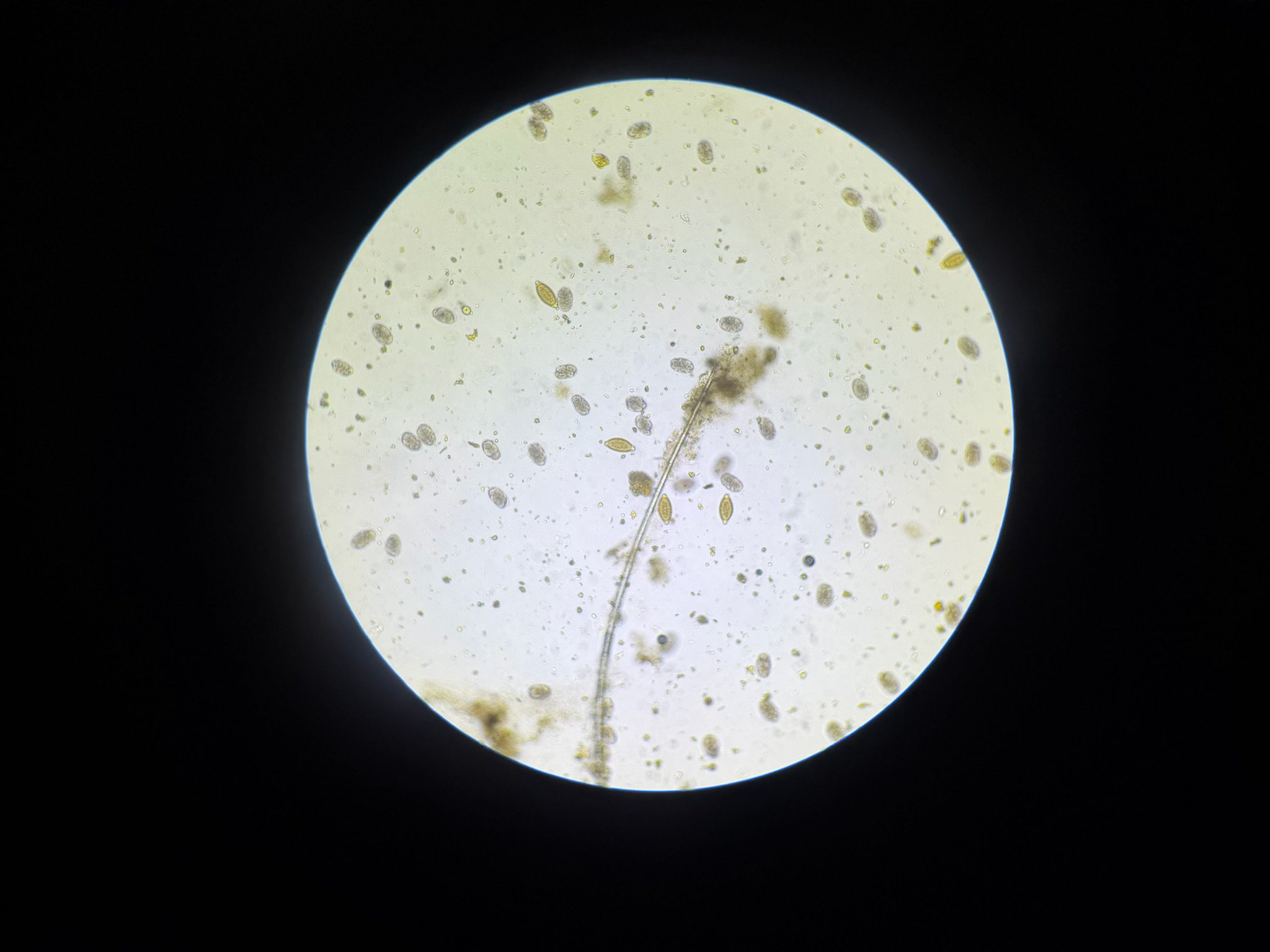
Intestinal parasites can irritate the stomach and intestines, especially in puppies or dogs with inconsistent parasite prevention.
Viral or Bacterial Illness
Some infections can cause vomiting, often along with diarrhea, fever, or reduced energy.
Pancreatitis
Pancreatitis is inflammation of the pancreas and can cause vomiting, abdominal pain, decreased appetite, and lethargy. It can be mild or severe and may require prompt treatment.
Toxin Exposure
Chocolate, xylitol, grapes, raisins, certain medications, household cleaners, toxic plants, and many other substances can cause vomiting and serious illness in dogs.
Foreign Body or Intestinal Blockage
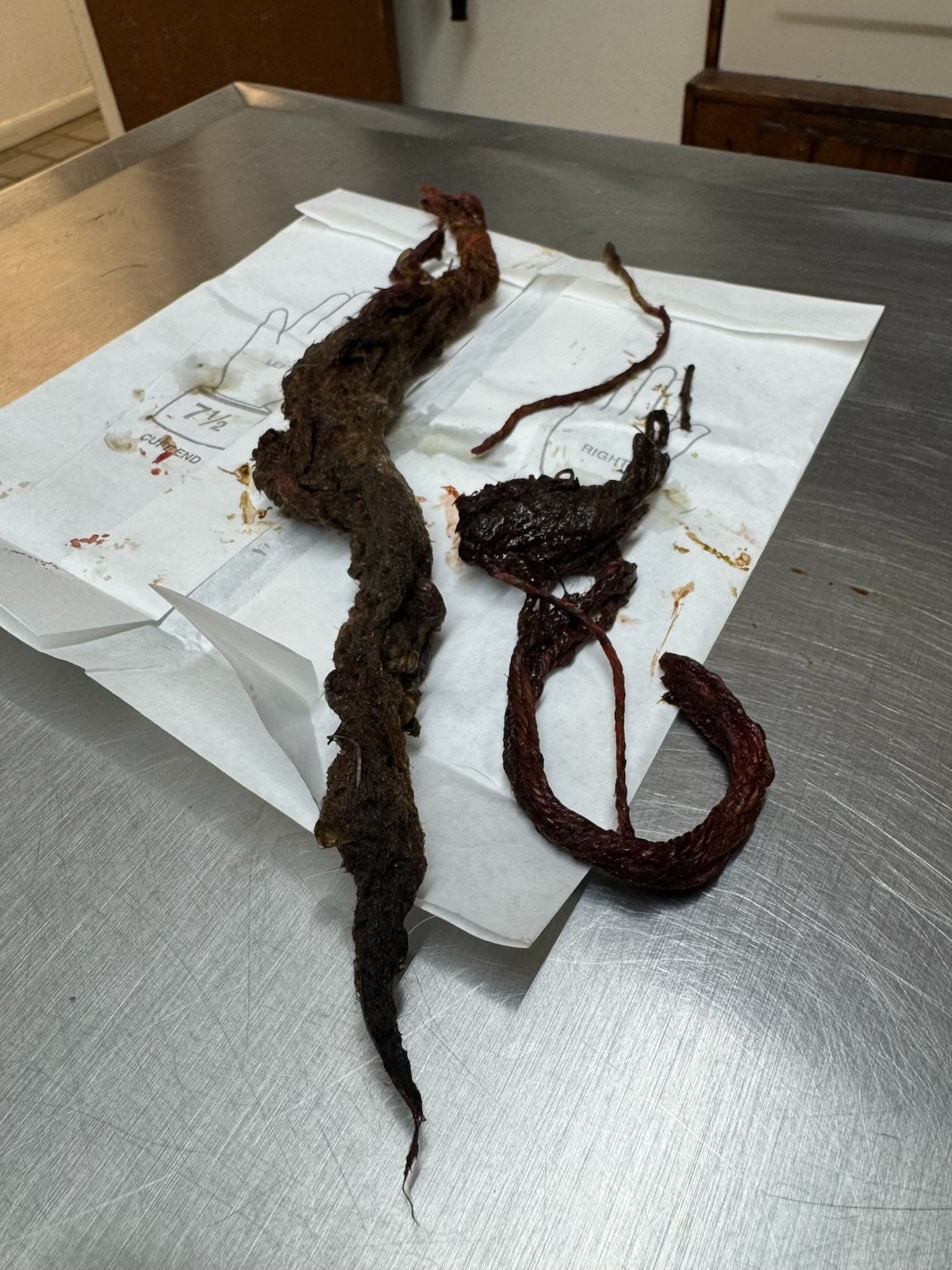
If a dog swallows a toy, sock, bone fragment, corn cob, rope, or another object, it can cause vomiting and become an emergency.
Food Intolerance or Chronic Gastrointestinal Disease
Some dogs develop repeated vomiting from food sensitivities, inflammatory bowel disease, chronic gastritis, or other longer-term digestive conditions.
Kidney or Liver Disease
Internal organ disease can lead to nausea and vomiting, often along with appetite changes, weight loss, or changes in thirst and urination.
Endocrine Disease
Conditions such as Addison’s disease or diabetes can cause vomiting as part of a larger medical picture.
When Is Vomiting in Dogs Serious?
A single vomiting episode in an otherwise normal dog may not always mean something severe. But vomiting becomes more concerning when it is repeated, persistent, or paired with other symptoms.
You should take vomiting more seriously if your dog:
vomits multiple times in one day
cannot keep water down
seems weak or lethargic
has diarrhea along with vomiting
stops eating
shows signs of abdominal pain
has a swollen or tight-looking belly
may have eaten a toxin
may have swallowed a foreign object
is a puppy, senior dog, or medically fragile dog
has blood in the vomit
seems dehydrated
continues vomiting into the next day
is collapsing, shaking, or acting distressed
These cases may need same-day veterinary care.
What Does Yellow Foam or Bile Mean?
Dogs sometimes vomit yellow fluid or foam when the stomach is empty. This can happen after long gaps between meals or with irritation in the stomach or upper intestines. Sometimes it is mild. Sometimes it is part of a larger digestive issue.
If your dog vomits bile once in a while but otherwise seems normal, the cause may be minor. If bile vomiting is frequent, recurring, or paired with poor appetite, diarrhea, weight loss, or pain, it is worth having your dog examined.
What If My Dog Keeps Vomiting but Still Acts Normal?
Even if your dog still seems fairly bright, repeated vomiting is not normal. Some dogs hide discomfort well. Others continue trying to act normal despite nausea or early dehydration.
Dogs that vomit repeatedly may still have:
gastritis
pancreatitis
parasite-related illness
dietary intolerance
early organ disease
intestinal obstruction
endocrine disease
If vomiting is recurring, it is better to look deeper before the problem worsens.
When Vomiting May Point to an Internal Medicine Problem
Some vomiting episodes are simple. Others are part of a bigger pattern.
A dog with chronic or repeated vomiting may also have:
weight loss
poor appetite
softer stools or diarrhea
increased thirst
increased urination
weakness
low energy
abnormal bloodwork
recurring flare-ups
That is when an internal medicine approach becomes especially important. Instead of treating the symptom alone, we look for the reason behind it. At Bushnell Animal Clinic, that may include a full exam, bloodwork, fecal testing, urinalysis, X-rays, and a more complete diagnostic plan depending on your dog’s history and symptoms.
What to Expect at the Vet for a Vomiting Dog
When you bring your dog in for vomiting, we start with a detailed history. We want to know:
when the vomiting started
how often it is happening
what the vomit looks like
whether your dog has diarrhea
what your dog may have gotten into
whether your dog is eating and drinking
whether there are any changes in energy, urination, or behavior
whether the problem has happened before
From there, your veterinarian may recommend:
hydration assessment
abdominal palpation
fecal testing
bloodwork
additional testing based on the findings
The right treatment depends on the cause. Some dogs need supportive care and medication. Others need fluids, imaging, hospitalization, dietary changes, or treatment for an underlying disease.
Can I Wait and See?
Sometimes mild vomiting improves quickly. But waiting too long can be risky when the cause is more serious. Dogs can dehydrate faster than many owners realize, especially if vomiting continues or is paired with diarrhea.
It is safest to have your dog evaluated sooner if:
the vomiting is frequent
the symptoms are getting worse
your dog is not eating
your dog is acting weak or painful
your dog is very young, elderly, or has other health problems
Trust your instincts. If your dog seems off, it is reasonable to get checked.
Vomiting and Urgent Care
Vomiting becomes urgent when it is persistent, painful, or part of a bigger problem. A dog that has vomited several times, cannot keep water down, may have eaten something dangerous, or is showing abdominal pain should be assessed promptly.
At Bushnell Animal Clinic, we help evaluate urgent vomiting cases during regular business hours and guide the next steps based on your dog’s condition.
Serving Bushnell and Surrounding Areas
Bushnell Animal Clinic serves dogs and cats in Bushnell, Webster, Center Hill, The Villages, Brooksville, Inverness, Clermont, Leesburg, Dade City, and surrounding Central Florida communities.
If your dog is vomiting and you are not sure whether it is a minor upset stomach or something more serious, we are here to help.
Schedule an Appointment for a Vomiting Dog in Bushnell, FL
If your dog has vomited more than once, is acting sick, or keeps having stomach issues, schedule an exam at Bushnell Animal Clinic. We can help determine whether your dog has a simple digestive upset or a medical problem that needs deeper evaluation.
Prompt care can make a major difference, especially when vomiting is the first sign of a more serious illness.
FAQ
Why is my dog vomiting but acting normal?
A dog may vomit once and still act normal if the stomach was mildly irritated. But repeated vomiting, even in an otherwise bright dog, can still signal a medical problem and should be monitored closely.
When should I worry about my dog vomiting?
You should worry more if your dog vomits several times, cannot keep water down, has diarrhea, seems tired, painful, weak, bloated, or may have eaten something toxic or indigestible.
What does yellow vomit mean in dogs?
Yellow vomit often contains bile. It can happen with an empty stomach, nausea, or digestive irritation. If it happens often, your dog should be examined.
Can a dog vomiting be an emergency?
Yes. Vomiting can be an emergency if it is frequent, severe, associated with pain, caused by toxin exposure, or linked to a blockage or dehydration.
Should I feed my dog after vomiting?
That depends on the cause, your dog’s overall condition, and how recently the vomiting happened. Because recommendations vary by case, it is best to follow your veterinarian’s guidance.
What causes chronic vomiting in dogs?
Chronic vomiting can be caused by food intolerance, inflammatory bowel disease, pancreatitis, parasites, kidney disease, liver disease, endocrine disease, or other internal medical problems.
